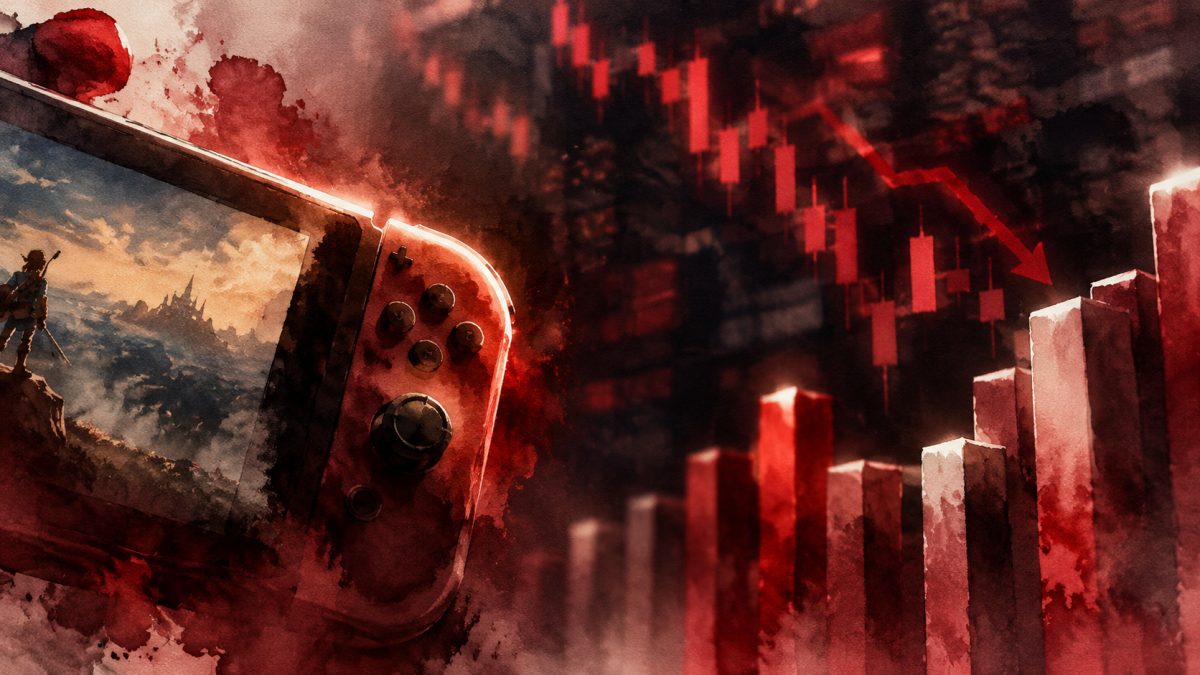
Nintendo Shares Extend Losses as Gamers and Traders Ask What Wasn’t Shown
TREE NEWS reports: Nintendo stock fell for a second consecutive session following a game showcase that put Zelda and other first-party franchises back in the spotlight. The decline is less about what was revealed and more about what was conspicuously absent: no firm release dates for the biggest titles, no pricing details for the next hardware cycle, and no clarity on how the company plans to monetize a pipeline that investors had priced for a blockbuster year.
Why the Market Reacted Negatively
Equity markets are forward-looking machines. When a company stages a high-profile reveal event, traders typically bid the stock up in anticipation and then sell the news once the content is known. This time, the sell-the-news dynamic was amplified by the gaps in the presentation:
- Missing release windows: Flagship titles were teased without hard dates, leaving analysts unable to model revenue timing for the fiscal year.
- No hardware roadmap: The successor to the current console generation remains unquantified, and hardware is where Nintendo’s margin story lives or dies.
- Soft monetization signals: There was little detail on digital sales, subscription expansion, or mobile tie-ins that could smooth cyclical console revenue.
Adding to the noise, OpenAI CEO Sam Altman cleared his calendar, a scheduling move that fueled speculation about a possible partnership, investment, or AI-related announcement involving Nintendo or its ecosystem. No such deal was confirmed, and the vacuum of information left room for both bullish and bearish narratives to run.
Industry Implications
Nintendo occupies a unique position: it is a content company, a hardware company, and an IP licensing powerhouse all at once. That complexity makes it unusually sensitive to communication gaps. Rival platform holders have shifted toward live-service ecosystems and recurring revenue, while Nintendo has historically relied on premium first-party software and disciplined hardware cycles. If the market now doubts the timing of that software slate, the stock can de-rate quickly even when the underlying franchises remain culturally dominant.
The episode also highlights a broader theme in 2025 equity markets: investors are rewarding visibility and punishing ambiguity. Companies that pair splashy reveals with concrete monetization timelines are being treated differently from those that leave the Street guessing.
What to Watch Next
Three catalysts could reverse the slide. First, a dated software calendar with at least two major titles in the current fiscal year. Second, any formal disclosure on next-generation hardware timing and pricing. Third, confirmation or denial of the AI-adjacent chatter that briefly circulated around the company. Until at least one of those lands, expect volatility to persist as traders position around rumors rather than fundamentals.
For now, the lesson is familiar: in gaming, the reveal is the marketing, but the calendar is the valuation.