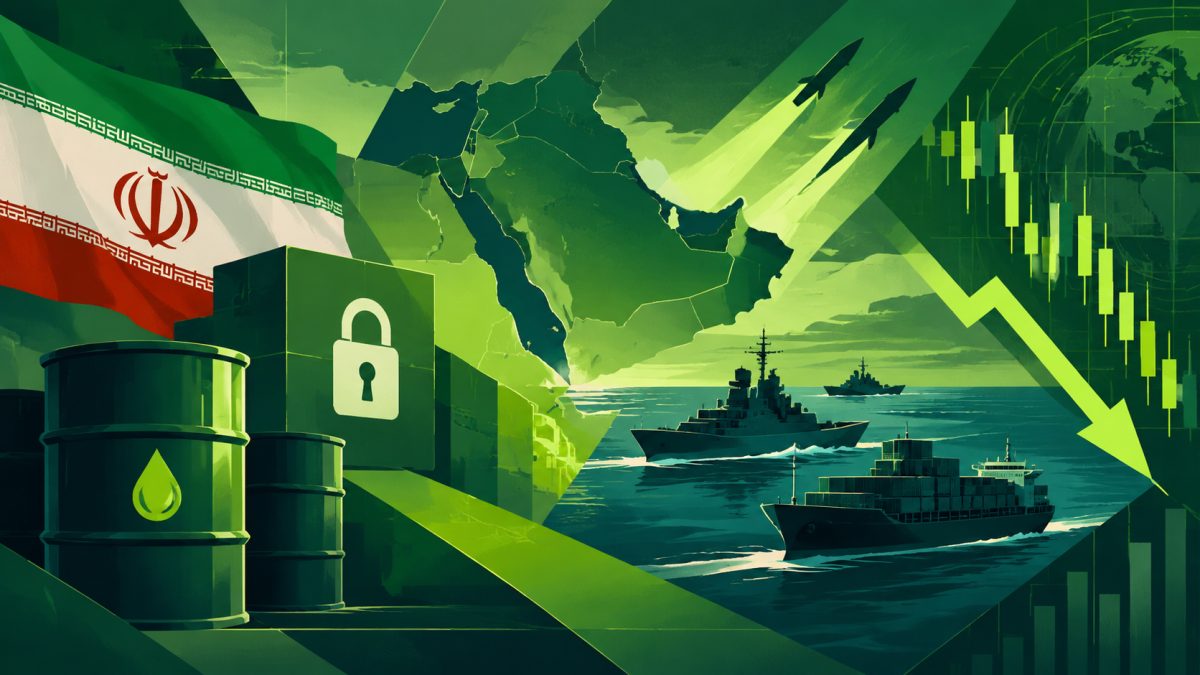
Middle East Tensions Escalate: New US Sanctions on Iran, Houthi Moves in Red Sea Rattle Markets
TREE NEWS reports: The US Treasury announced new sanctions on Iran, and President Trump warned of severe strikes if Iran conducts nuclear activities at Fordow. Meanwhile, Yemen’s Houthi movement claimed to have captured the Hanish Islands and the coastal city of Mocha, asserting safe passage for all Red Sea vessels except those linked to Saudi Arabia. Iran’s Revolutionary Guard Navy blocked a US unmanned surface vessel at the entrance to the Strait of Hormuz, and two ships were hit by unidentified projectiles west of Oman. Iran suspended a 10% freight surcharge on foreign energy transport vessels, but regional tensions remain high. Israel said it destroyed Hezbollah underground facilities in southern Lebanon, and Prime Minister Netanyahu warned of further actions against Iran and Hezbollah.
Market Impact
These developments exacerbate an already fragile geopolitical backdrop. The Strait of Hormuz handles about 20% of global oil consumption, and any disruption—even a brief blockade—could trigger a spike in crude prices. Brent crude has already been sensitive to headlines, and volatility in energy markets often spills over into broader risk assets, including cryptocurrencies.
For digital asset investors, the immediate implications are twofold. First, Bitcoin and other major cryptocurrencies have behaved as risk-on assets during geopolitical shocks, but in extreme scenarios, they could also serve as a hedge. Second, the sanctions environment adds another layer of regulatory complexity for crypto firms dealing with Iranian entities. Compliance teams should reassess exposure to sanctioned parties, especially as the US ramps up enforcement.
Red Sea Shipping and Supply Chains
The Houthi claims over the Hanish Islands and Mocha introduce a new variable for global shipping. The Red Sea route is critical for Europe-Asia trade, and sustained disruptions could raise freight rates and stoke inflation. This matters indirectly for crypto markets: persistent inflation could delay central bank rate cuts, which would weigh on liquidity-sensitive assets like cryptocurrencies.
Iran’s decision to suspend the 10% freight surcharge is a small relief for energy shippers, but does little to ease broader security concerns. The blocking of a US unmanned vessel near Hormuz suggests both sides are testing boundaries, raising the risk of miscalculation.
What to Watch
Investors should brace for continued headline-driven volatility. Key levels to watch include Brent crude above $90 per barrel and the US dollar index, which often strengthens during geopolitical crises. In crypto, Bitcoin’s correlation with traditional risk assets remains a double-edged sword: it may sell off initially, but could attract safe-haven demand if tensions escalate further.
Regulatory risk is also mounting. US sanctions on Iran could extend to crypto exchanges and DeFi protocols that facilitate transactions with sanctioned entities, increasing compliance costs and leading to enforcement actions. Market participants should monitor OFAC updates and adjust risk frameworks accordingly.
Ultimately, the Middle East remains a tinderbox. A full-scale conflict is not inevitable, but the dense flow of provocative actions suggests markets will remain on edge for the foreseeable future.



