HuaJing Adds Four ‘Harmony+’ Trims to Ease Delivery Bottleneck
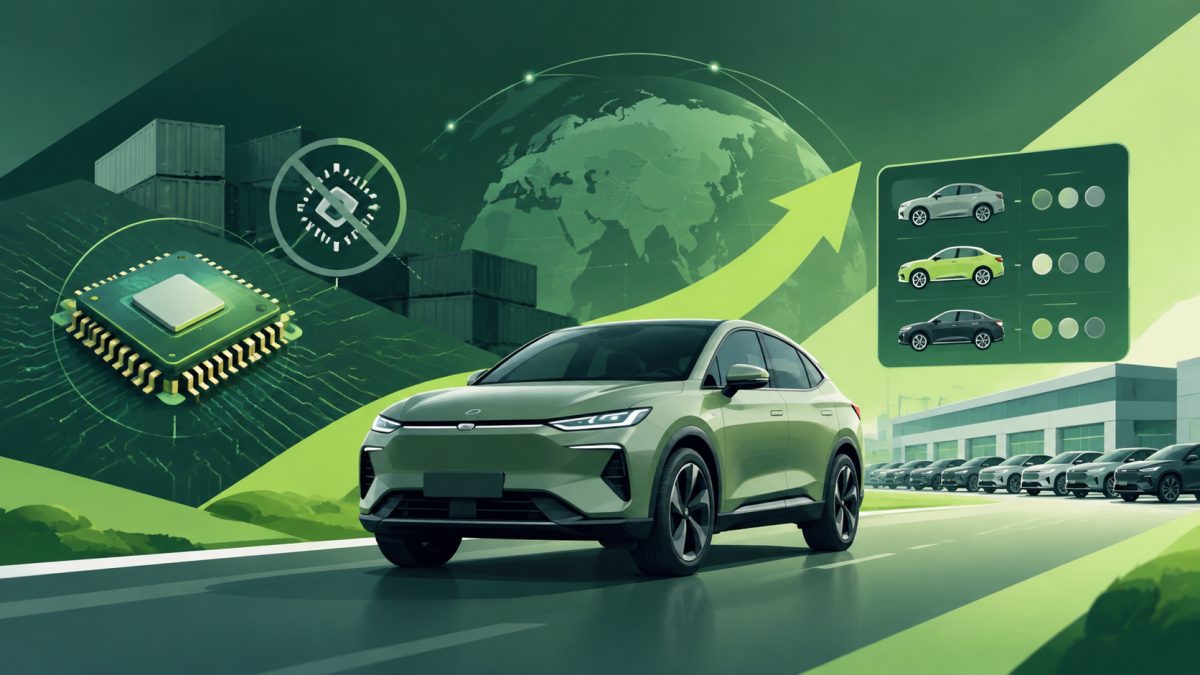
TREE NEWS reports: HuaJing has introduced four new “Harmony+” trims for its S model as a stopgap measure to accelerate vehicle deliveries amid a cockpit chip shortage, pricing them 3,000 yuan higher than the corresponding previous versions. Announced on September 12, the new configurations center on the HarmonyOS cockpit and include the MoLA 2.0 hybrid large-model architecture, dialect recognition, an updated infotainment UI, and support for external expansion screens. The four trims cover existing range and drivetrain variants, with a uniform 3,000 yuan price increase.
The move follows the brand’s public apology for delivery delays caused by what it described as a phased shortage of cockpit chip supply. HuaJing said production capacity is fully ready but admitted that chip supply forecasting and contingency planning were inadequate, and promised to diversify chip procurement sources. The company delivered 7,306 units in August, up from 5,689 in June and 7,203 in July, with cumulative deliveries exceeding 25,000 as of September 8.
Why It Matters: A Microcosm of China’s EV Supply Chain Strain
Backed by SAIC-GM-Wuling and featuring Huawei’s Qiankun advanced driver assistance system and HarmonyOS cockpit as standard across all trims, HuaJing sits at the intersection of two powerful forces in China’s auto market: the race to integrate high-end smart features at mass-market price points, and the fragility of the semiconductor supply chain that supports them. With a starting price of 159,800 yuan for its large six-seat SUV, it competes directly in China’s most competitive and price-sensitive segment.
Rather than cutting features or broadly raising prices, the decision to add trims reflects a careful balancing act. By tying new software and connectivity features to a price increase, HuaJing gives buyers a product reason for the extra cost while freeing up scarce chip inventory for faster deliveries. This is a supply-side workaround dressed up as a product refresh—a strategy that could become more common across the industry if chip shortages persist.
Market Impact
- Equities: The news is a reminder that China’s EV price war is increasingly constrained not just by demand but by component availability. Automakers that diversify chip sourcing and have stronger supplier relationships may gain a relative edge. Sentiment for SAIC Motor and Huawei’s auto partners could be affected, though the direct financial impact of HuaJing’s trim adjustment is limited.
- Semiconductors: Persistent tightness in cockpit chips supports demand for automotive-grade semiconductors, benefiting suppliers of infotainment and cockpit chips. It also strengthens the case for localizing automotive chip supply in China.
- Commodities: Delivery delays by EV makers could soften near-term demand for battery metals such as lithium, nickel, and cobalt, but the impact at this scale is limited.
- Crypto & Currencies: No direct impact. However, broader risk sentiment around Chinese industrial activity and tech supply chains could influence commodity-linked currencies like the Australian dollar and, indirectly, risk appetite for crypto assets.
Key Takeaways for Investors
- HuaJing’s trim expansion is a tactical fix, not a structural solution. The real test will be whether deliveries accelerate in September and October.
- The episode highlights that smart cockpit chips are now a critical bottleneck for mass-market EVs, raising the strategic value of automotive semiconductor suppliers.
- Watch for similar product-mix adjustments by other Chinese EV brands. If chip shortages spread, the industry’s aggressive pricing strategies may face new pressure.
- For long-term investors, the brand’s ability to scale deliveries in the 150,000 yuan-plus price band will be a key indicator of whether Huawei-powered smart driving can be democratized profitably.



