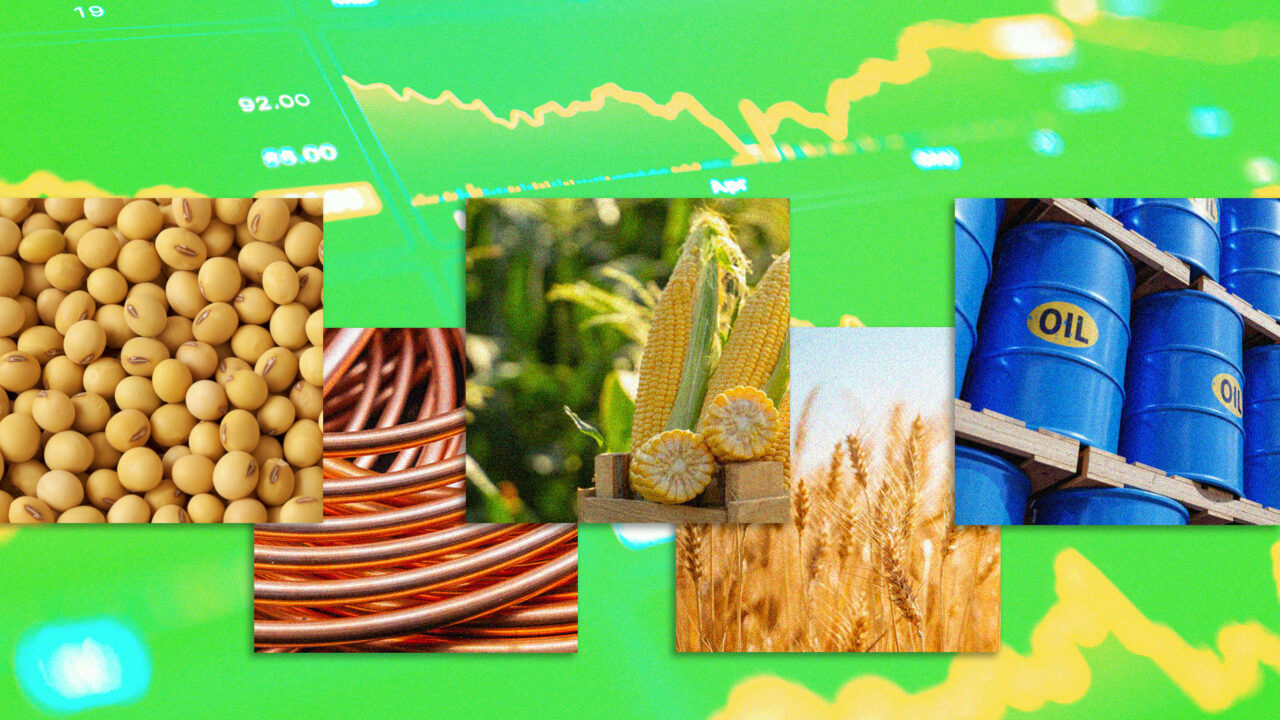
The Price of Almost Everything on Your Dinner Table Is Climbing at Once
TREE NEWS reports: A broad and synchronized surge in agricultural commodity prices is transforming what was already a challenging inflation picture into something far more complicated. Wheat, corn, soybeans, sugar, coffee, and cooking oils are all moving higher simultaneously, driven by a combination of adverse weather patterns, elevated energy costs tied to the ongoing Iran conflict, and supply chain disruptions that have yet to fully normalize. Wall Street analysts are increasingly flagging this as a structural shift rather than a temporary spike, warning that food inflation could prove stickier than the energy-driven price pressures that dominated headlines earlier this year.
What’s Happening
The rally in crop prices is not isolated to a single commodity or region. Drought conditions across key growing regions in North America and Europe have curtailed harvest expectations, while flooding in parts of Asia has damaged rice and palm oil output. Simultaneously, the cost of fertilizer and diesel — both critical inputs for modern agriculture — remains elevated due to geopolitical tensions and constrained refining capacity. The result is a cost-push inflation dynamic that feeds directly into consumer staples, restaurant chains, and food processing companies.
Futures markets have responded accordingly. Agricultural contracts that were relatively range-bound for much of the past year are now breaking out to multi-month highs. Options activity suggests traders are positioning for further upside, particularly in wheat and vegetable oils.
Market Implications
- Equities: Consumer staples companies face margin compression as input costs rise faster than they can pass through to price-sensitive consumers. Restaurant chains and food retailers are particularly vulnerable. Conversely, agricultural equipment makers, fertilizer producers, and seed companies could see earnings upgrades.
- Bonds: Persistent food inflation complicates the rate outlook. Central banks that were preparing to signal easing may now be forced to hold rates higher for longer, pressuring long-duration bonds and steepening yield curves.
- Commodities: The sector is experiencing a broad-based rally, with agricultural commodities joining energy and metals. This broadens the inflation narrative beyond oil, making it harder for policymakers to dismiss as transient.
- Crypto: Bitcoin and other digital assets may see mixed reactions. As an inflation hedge narrative, crypto could attract inflows; however, risk assets generally struggle when rate expectations shift hawkish. Correlation with tech equities remains a dominant factor.
- Currencies: Commodity-exporting nations — Brazil, Australia, Canada — may see their currencies supported by rising terms of trade. Import-dependent economies, particularly in emerging markets, face widening trade deficits and currency pressure.
Why This Matters for Investors
The critical takeaway is that inflation is becoming broader and more entrenched. When energy prices rise, central banks can look through the volatility as geopolitically driven. When food prices rise alongside energy, the inflation becomes embedded in household expectations, wage demands, and core inflation measures. This is the scenario that forces central banks to maintain restrictive policy even as growth slows — a stagflationary backdrop that is historically challenging for traditional 60/40 portfolios.
Investors should consider positioning for persistent inflation: real assets, inflation-linked bonds, and select commodity exposures may offer protection. Equity portfolios may benefit from a tilt toward companies with pricing power and low labor-cost sensitivity. The agricultural supply shock is not a one-quarter story — it takes at least a full growing season to normalize, and with climate volatility increasing, the risk of recurrent food price spikes is rising.
Wall Street is taking notice because this is not just about oil anymore. It is about the cost of feeding the world — and that cost is going up.