Coinbase Draws a Line Between Tokenized Equities and Synthetic Products
TREE NEWS reports: Coinbase CEO Brian Armstrong stated that the exchange’s Tokenized Stocks product is fully backed by real securities rather than synthetic assets or debt instruments, and that holders can redeem their tokens for the underlying shares. The clarification draws a deliberate boundary between Coinbase’s offering and a wave of derivative-style products that merely track equity prices.
Why the Distinction Matters
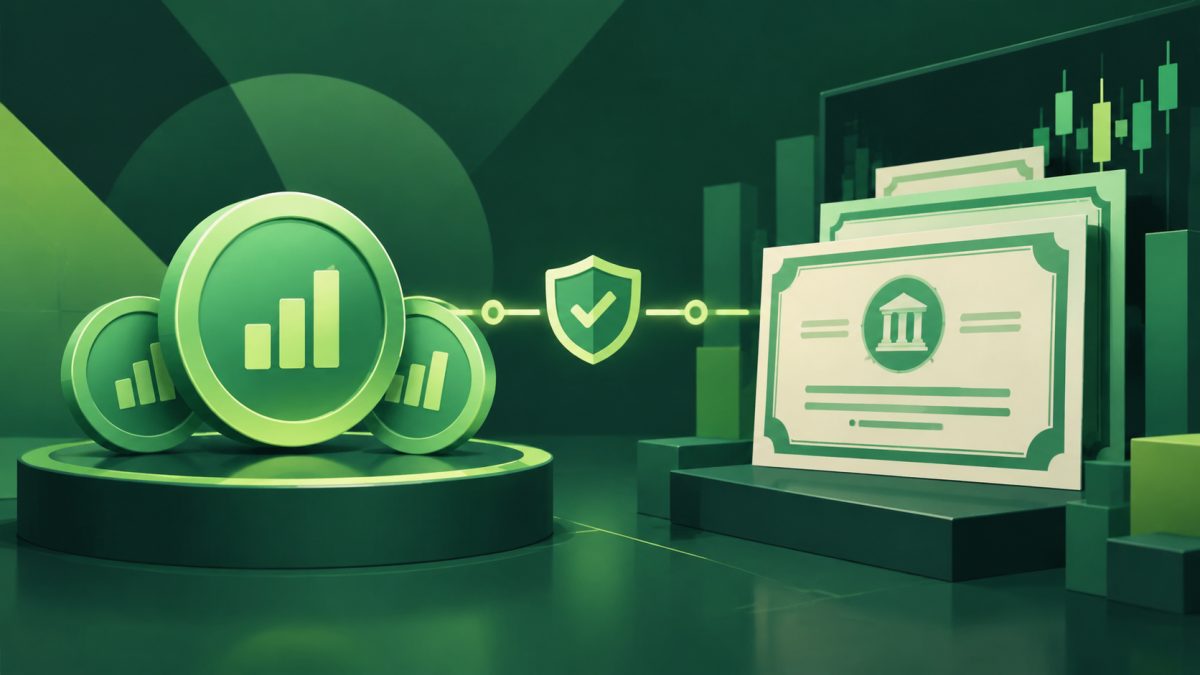
The tokenized equity market has split into two architectures. One uses special-purpose vehicles or derivatives to mirror price exposure, introducing counterparty and structuring risk. The other holds the actual asset — a share, a Treasury bill, a money market fund unit — in custody and issues a token representing a direct claim on it. Armstrong’s statement places Coinbase firmly in the second camp, where the token is a wrapper on a real-world asset rather than a promise.
That matters for three reasons:
- Redemption rights: If a holder can convert a token back into the underlying stock, the token has a hard arbitrage anchor to the real market price, reducing the risk of persistent premium or discount.
- Legal character: A fully backed token is closer to a custody receipt than to a swap or note, which changes how regulators, auditors and institutional risk committees classify it.
- Counterparty exposure: Synthetic structures concentrate risk in the issuer’s balance sheet. Full backing shifts the question to custody, segregation and bankruptcy remoteness — narrower and more testable problems.
The Competitive Landscape
Coinbase is not alone. Brokerages, crypto-native platforms and at least one large asset manager have all pushed tokenized versions of equities, funds and government debt. The race is now less about whether tokenization works and more about who can offer the cleanest legal claim, the deepest liquidity and the widest distribution. An exchange with an existing retail base and a regulated US footprint has a structural advantage in distribution, but it also faces the tightest compliance scrutiny.
What to Watch Next
Three signals will determine whether this becomes a mainstream product or a niche feature. First, whether redemption is operationally fast and cheap, or a slow, manual process that discourages arbitrage. Second, whether US regulators provide clearer treatment for fully backed equity tokens, or continue to treat them as securities subject to existing broker-dealer rules. Third, whether institutional allocators accept tokenized shares as collateral — the point at which tokenization stops being a trading novelty and becomes financial infrastructure.
Armstrong’s framing is essentially a bet that the winning model is the boring one: real assets, real custody, real redemption. If that holds, the interesting competition moves away from product design and toward custody, settlement speed and regulatory clarity.