Economists Urge the Fed to Pause Before Raising Rates Again
TREE NEWS reports: A growing chorus of prominent economists is warning that the Federal Reserve may be on the verge of a serious policy mistake, urging the central bank to hold off on further interest-rate increases out of concern that the U.S. economy is more fragile beneath the surface than headline data suggest. The debate has intensified as policymakers weigh whether to tighten again in the face of sticky inflation, a cooling labor market, and signs of stress among consumers and smaller businesses.
The core of the argument is that much of the economy’s apparent resilience has been propped up by pandemic-era savings, elevated government spending, and a stock market buoyed by artificial-intelligence enthusiasm. Strip those supports away, the economists argue, and the underlying picture looks far more vulnerable — a backdrop against which another hike could tip a slowing economy into recession.
Why the Timing Is So Delicate
Monetary policy operates with a lag. The full effect of the hikes already delivered may not yet have worked through the system. Credit conditions have tightened, banks have grown more cautious, and refinancing costs for households and firms are climbing. Raising rates again before those effects fully land risks over-tightening — the classic error of fighting the last war against inflation while ignoring the next threat, which is a downturn.
At the same time, the Fed faces a credibility challenge. If it pauses too soon and inflation reaccelerates, it could lose the anchoring of inflation expectations that has taken years to rebuild. That tension — between the risk of doing too much and the risk of doing too little — is exactly why this moment is being described as a potential turning point.
Market Implications
If the Fed signals a pause or a slower path, the reaction across asset classes could be pronounced:
- Stocks: A pause is typically read as risk-positive in the near term, particularly for rate-sensitive sectors such as real estate, utilities, and small caps. Growth and technology names could also benefit from lower discount rates. But if the pause is interpreted as a sign the economy is weaker than thought, cyclical and consumer-facing stocks could come under pressure.
- Bonds: Yields on shorter-dated Treasuries would likely fall as markets price in a peak in rates, steepening the curve. Long-dated yields could stay elevated if inflation concerns persist, keeping the term premium wide.
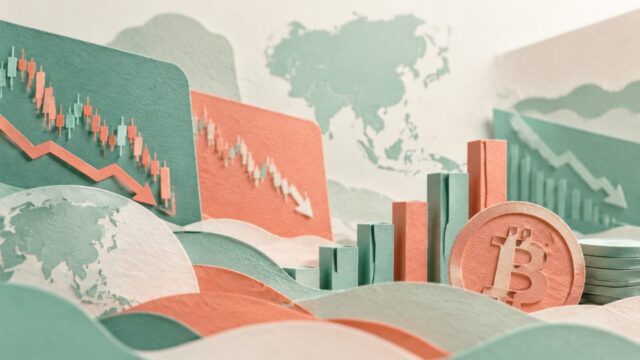
- Crypto: Digital assets have traded increasingly in step with liquidity conditions. A pause or pivot would likely be supportive, easing pressure on risk assets and reviving appetite for bitcoin and other tokens. A hawkish surprise, by contrast, could trigger a sharp drawdown.
- Commodities: A softer rate path tends to weaken the dollar, which is generally supportive for gold and other dollar-denominated commodities. Oil would depend more on demand signals, which a weaker growth outlook could depress.
- Currencies: The dollar could soften if U.S. yields peak, benefiting emerging-market currencies and commodity exporters, while the yen and euro might find relief after prolonged weakness.
What It Means for Investors
The key takeaway is that the direction of policy — not just the level of rates — now matters more than ever. Investors should watch the Fed’s communication closely for any shift in tone, and consider how their portfolios are positioned for a world where the next move could be a pause rather than another hike.
Diversification across asset classes, attention to duration risk in bond portfolios, and a focus on quality balance sheets are prudent stances in an environment where the policy error risk is two-sided. The economists’ warning is not a prediction of doom — it is a reminder that the cost of being late to recognize a slowdown can be as high as the cost of being early to declare victory over inflation.