Fed Rate Decision: Market Prices 88% Odds of a Hike, But Standard Chartered Says No
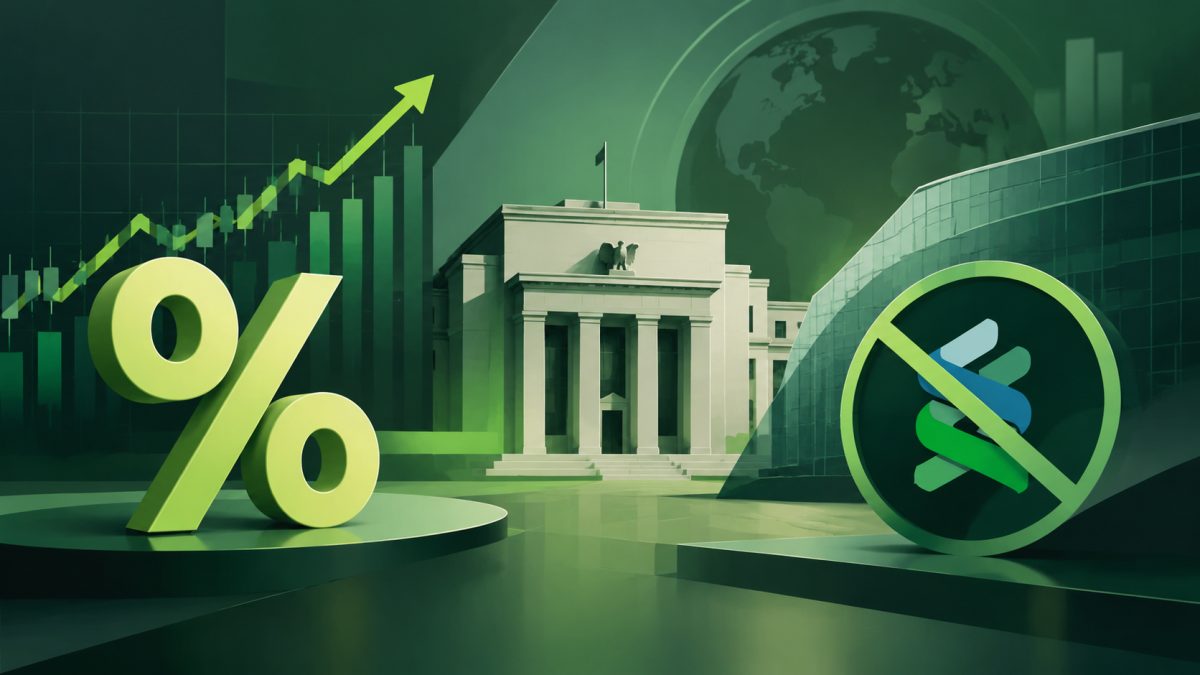
TREE NEWS reports: As the Federal Reserve’s September 15-16 FOMC meeting approaches, a stark divide has emerged between market expectations and at least one major bank’s forecast. Fed fund futures are pricing an 88% probability of a 25 basis point rate hike, yet Standard Chartered’s September 14 report argues the Fed should hold rates steady, calling a hike the “wrong policy choice” at this juncture.
The bank contends that policymakers should wait for the effects of tariff shocks and recent data revisions to fade before determining whether inflation is forming a sustained trend. This view sets up a potential market shock if the Fed indeed pauses, as rate markets would need to reprice significantly and the dollar could weaken in the short term. Conversely, if the Fed hikes, markets may further entrench hawkish expectations.
Inflation Pressures May Be Overstated
Standard Chartered argues that core inflation may be overstated. Tariffs have indeed pushed up core PCE, but the magnitude and duration of that impact remain uncertain. The bank points out that “supercore” CPI has fallen back to its normal 2010s range, suggesting current price pressures stem largely from goods prices driven by tariffs rather than a broad, persistent inflation trend.
The report also highlights a notable divergence between chained core CPI and core PCE, which have historically moved in tandem. Chained CPI, which better reflects actual consumer spending, warrants close attention from policymakers. Fed analyses suggest tariffs may contribute about 0.7 percentage points to PCE inflation, but with tariff revenue peaking in Q4 2025, that inflationary impulse could fade in the coming months.
From a risk management perspective, waiting for data confirmation does not eliminate the option to hike later. If subsequent data confirm rising inflation, the Fed could hike by 50 basis points at once. Premature tightening followed by a reversal would instead damage policy credibility.
Market Pricing and the Warsh Feedback Risk
Despite Standard Chartered’s call, markets have turned decidedly hawkish. Fed fund futures not only price an 88% chance of a September hike but also imply about 74 basis points of cumulative tightening through March 2026. This shift was largely driven by Fed Governor Kevin Warsh’s Jackson Hole speech, though the report suggests markets may have focused only on its hawkish elements.
Warsh emphasized the importance of returning inflation to target but also noted that policymakers must judge whether underlying inflation is rising, falling, or stagnating—not rely on a single data point. He warned that if markets depend on Fed guidance while the Fed depends on market pricing, policymakers may miss new economic developments and increase the risk of policy errors.
Standard Chartered sees this risk amplifying. The higher the rate hike expectations, the stronger the market’s reverse constraint on policy, creating a feedback loop where market expectations drive policy and policy reinforces expectations. If the Fed holds in September, Warsh’s challenge will be to explain why no hike is needed while proving the Fed is not being led by market pricing.
Vote Math and the Press Conference Test
The voting structure also supports a hold. In July, three FOMC members supported a hike. For a September hike to pass, at least four members who previously favored holding would need to switch, reaching the seven-vote threshold. Standard Chartered believes Warsh will likely avoid being in the minority but won’t actively push for a hike. If four members switch, he may join the hike camp; if only three, he might vote for a hike to avoid a 6-6 tie; if just two, he has room to hold.
The key question is whether data since July justify at least three holdouts changing their stance. Standard Chartered thinks not yet. The FOMC statement is expected to see no major changes. The dot plot may not turn significantly hawkish, but rate-cut space could narrow further compared with June, with the weighted average rate possibly shifting higher.
If the Fed holds, Warsh faces a tougher press conference: explaining why no hike is needed and how the Fed views the high hike expectations already priced in. Markets will likely press on whether an October hike remains possible. Warsh will probably stress “data-dependent, meeting by meeting,” but without clearer triggers, doubts about his stance may persist.
Key Takeaways for Investors
- Rate repricing risk: An 88% hike probability leaves little room for error. A hold would trigger a sharp repricing in rate markets, likely weakening the dollar and supporting long-dated Treasuries.
- Dollar and bonds: The post-meeting key variable will be how markets reprice the future rate path. A credible hold could cap dollar gains and anchor long-end yields.
- Inflation narrative: Watch chained CPI and supercore CPI for signs that tariff-driven price pressures are fading, which would validate the hold argument.
- Policy feedback loop: Be mindful of the reflexive dynamic between market pricing and Fed guidance, which can amplify volatility around FOMC meetings.