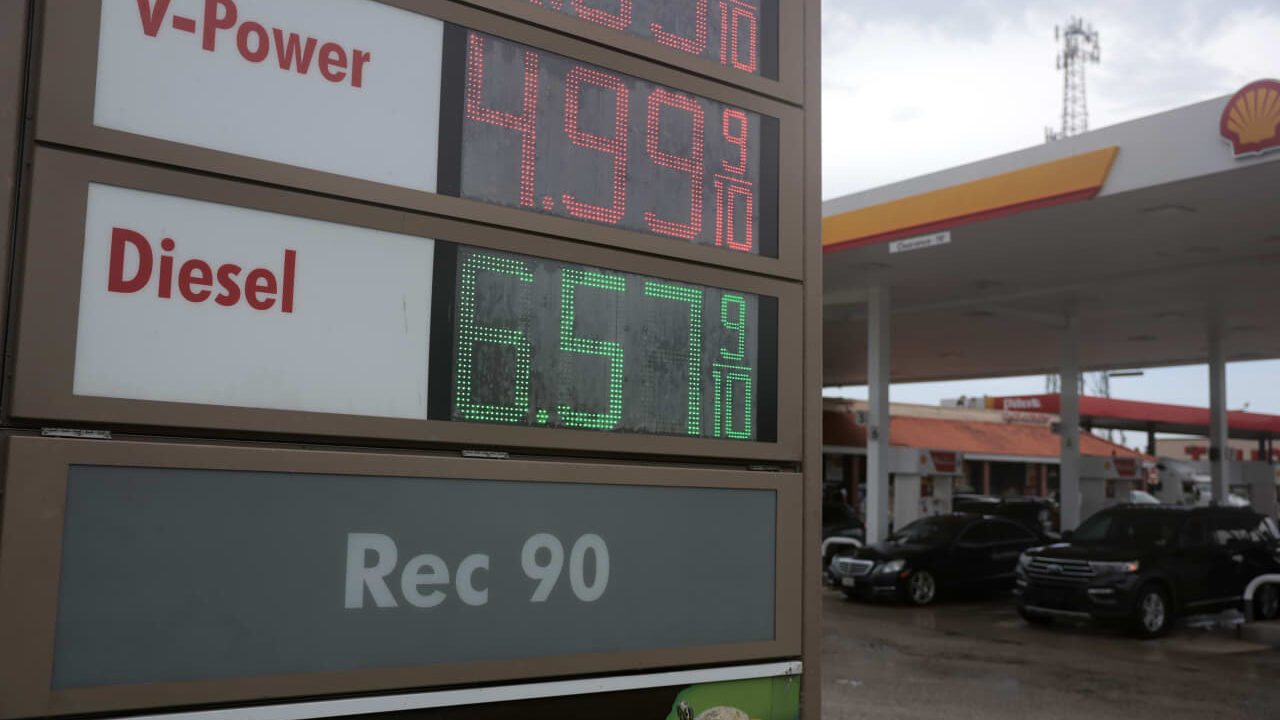
Top Senate Republican Floats Diesel Export Ban as Prices Hit Record $6.27 a Gallon
TREE NEWS reports: With U.S. diesel prices surging to an all-time high of $6.27 per gallon, a senior Senate Republican has publicly floated the idea of banning diesel exports—a dramatic intervention aimed at easing domestic fuel costs. The proposal comes as distillate inventories remain critically low, refinery capacity is stretched, and global demand for U.S. diesel has remained robust, particularly from Europe and Latin America.
The idea is simple on its face: keep more domestic diesel at home, boost supply, and let prices fall. But energy analysts and trade economists warn the maneuver could easily backfire, potentially raising costs for consumers and disrupting global fuel markets that the U.S. now dominates as a key exporter.
Why an Export Ban Might Not Work
First, the U.S. is a major exporter of refined products. Banning diesel exports would strand barrels that domestic refineries cannot fully absorb, forcing them to cut runs. Fewer refinery runs mean less gasoline, jet fuel, and heating oil produced as byproducts—potentially pushing up prices for those fuels too.
Second, export bans distort global trade flows. Allies in Europe, already scrambling for non-Russian diesel, would face even tighter supply, driving international prices higher. That could boomerang back to the U.S. through higher imported crude costs and a stronger dollar, which makes U.S. exports less competitive over time.
Third, past attempts at export restrictions—such as the 1970s oil shocks and more recent natural gas export debates—have generally led to unintended consequences, including lower domestic production and reduced investment in refining capacity.
Market Implications: Stocks, Bonds, Crypto, Commodities, Currencies
- Equities: Refiners like Valero, Marathon Petroleum, and Phillips 66 could see margins compress if export bans limit their ability to sell abroad. Conversely, airlines and trucking companies might benefit if domestic diesel prices fall, though that outcome is far from guaranteed.
- Bonds: Persistent energy inflation could keep the Federal Reserve hawkish, pressuring long-duration Treasuries. A spike in diesel costs feeds into broader inflation, complicating the rate outlook.
- Crypto: Bitcoin and other digital assets may see heightened volatility as macro uncertainty rises. Crypto has increasingly traded as a risk-on asset, and energy-driven inflation could strengthen the case for alternative stores of value—or trigger a selloff if liquidity tightens.
- Commodities: Diesel futures would likely spike on the news, while crude oil could see mixed reactions. Natural gas and heating oil may also move higher if refinery runs decline.
- Currencies: The U.S. dollar could strengthen initially on safe-haven flows, but a prolonged export ban might weaken the greenback by undermining U.S. energy credibility. The euro and other energy-importing currencies remain vulnerable.
Key Takeaways for Investors
- Don’t assume an export ban will lower pump prices. History suggests such interventions often backfire, raising costs elsewhere in the supply chain.
- Watch refining margins closely. Any policy move that limits exports could compress crack spreads, hurting refiners’ earnings.
- Energy inflation remains a wildcard. With diesel at record highs, the Fed may stay aggressive, keeping bond yields elevated and pressuring growth stocks.
- Diversify inflation hedges. Commodities, energy equities, and select crypto assets may offer protection, but volatility will be high.
The debate over a diesel export ban is far from over. What’s clear is that policymakers are running out of easy options—and investors should brace for more turbulence in energy markets.