Fed’s Hawkish Hike Fails to Calm Markets as Dow Plunges 600 Points
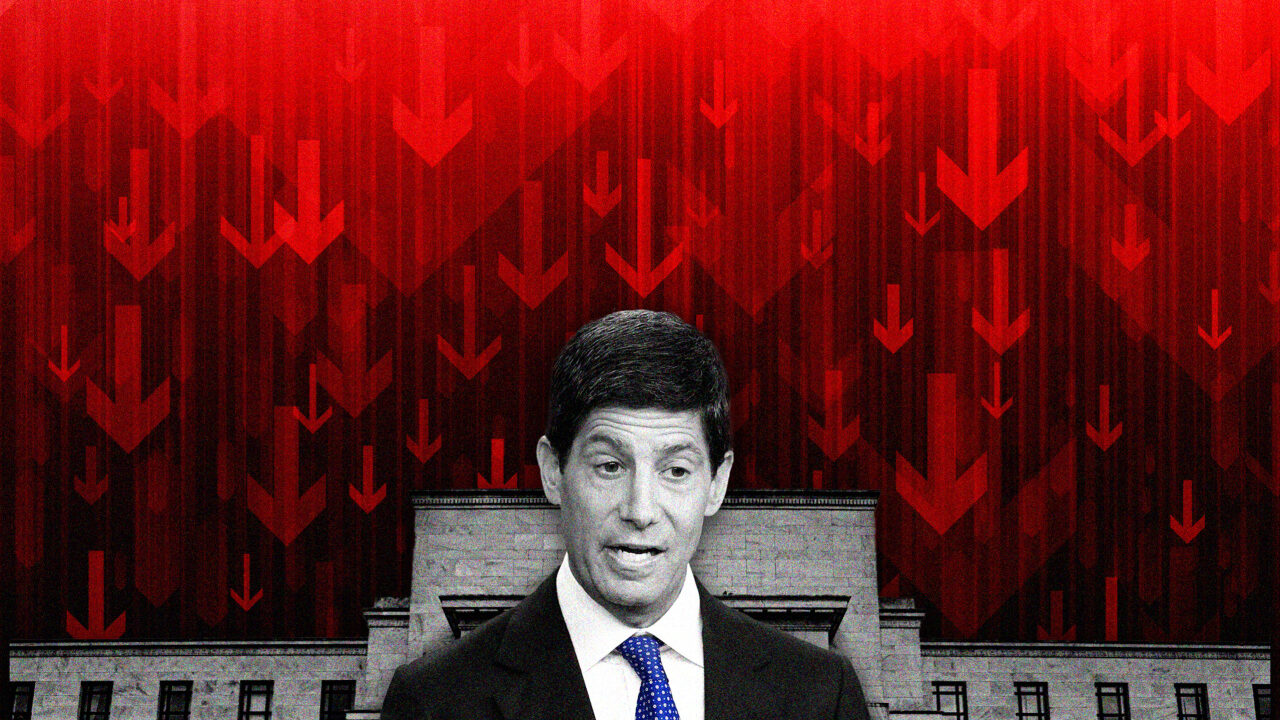
TREE NEWS reports: In a dramatic turn of events, the Federal Reserve’s latest interest rate hike—widely anticipated but poorly received—has sent shockwaves through global financial markets. Fed Chair Kevin Warsh, in his first major policy move since taking the helm, raised the benchmark federal funds rate by 25 basis points and signaled a more aggressive stance on inflation than many investors had hoped for. The Dow Jones Industrial Average tumbled 600 points, or roughly 1.8%, while the S&P 500 and Nasdaq Composite fell even harder, with the tech-heavy Nasdaq dropping over 2.5%. Bond yields spiked, with the 10-year Treasury yield surging above 4.5%, and the 2-year yield crossing 5%. The VIX, Wall Street’s fear gauge, jumped more than 20%.
Warsh’s Message: Inflation Fight Is Not Over
Chair Warsh’s press conference made it clear that the central bank is not ready to pivot. “We will do whatever it takes to bring inflation back to target, even if it means slower growth,” Warsh stated, dismissing suggestions that the Fed might pause or cut rates later this year. The dot plot now shows fewer rate cuts in 2025 than previously projected, and Warsh emphasized that policy will remain restrictive “for some time.” This hawkish surprise caught many traders off guard, as markets had priced in a more dovish tone following recent signs of cooling inflation.
Market Implications: Stocks, Bonds, Crypto, Commodities, and Currencies
The immediate reaction was a classic risk-off move, but the cross-asset implications are more nuanced:
- Stocks: Equity markets are facing a double whammy of higher discount rates and growth concerns. Rate-sensitive sectors like technology, real estate, and consumer discretionary were hit hardest. The selloff was broad-based, with all 11 S&P sectors in the red. Small caps, as represented by the Russell 2000, fell over 2%, underperforming large caps as they are more vulnerable to higher borrowing costs. Expect continued volatility as investors reassess earnings expectations for the second half of the year.
- Bonds: The bond market is repricing for a higher-for-longer rate environment. The yield curve flattened further, with short-term yields rising more than long-term yields, signaling concerns about future growth. The 10-year Treasury yield, a key benchmark for mortgages and corporate debt, is now at its highest level since 2007. Bond prices fell sharply, and investors are demanding higher term premiums. This could lead to more attractive yields for fixed-income investors but also poses risks for those holding long-duration bonds.
- Crypto: Digital assets, which have become increasingly correlated with risk assets, sold off in tandem. Bitcoin dropped below $60,000, while Ethereum fell under $3,000. The crypto market, already jittery following recent regulatory actions, saw over $500 million in liquidations within hours. A stronger dollar and rising real yields are typically headwinds for crypto, and this episode reinforces that crypto is not yet a safe-haven asset. However, some long-term holders may view the dip as a buying opportunity if they believe the Fed will eventually pivot.
- Commodities: The commodity complex was mixed. Gold, often seen as an inflation hedge, initially rose but then pared gains as the dollar strengthened. Industrial metals like copper fell on growth worries. Oil prices dropped over 3% as demand concerns outweighed supply constraints. Agricultural commodities were relatively stable. The stronger dollar makes dollar-denominated commodities more expensive for foreign buyers, adding downward pressure.
- Currencies: The U.S. dollar index (DXY) surged to a fresh 20-year high, as higher U.S. rates attract foreign capital. The euro, yen, and emerging market currencies weakened. The Japanese yen, in particular, slumped to a new multi-decade low, raising intervention risks. A strong dollar is a headwind for U.S. multinationals’ earnings and could exacerbate global financial stress, especially for countries with dollar-denominated debt.
Why This Matters for Investors
This episode underscores that the era of easy money is definitively over. Investors must adapt to a world where central banks prioritize inflation control over market stability. The Fed’s hawkish stance suggests that the path to lower rates will be longer and bumpier than many hoped. Portfolio diversification remains crucial, but traditional correlations may not hold. Investors should consider:
- Reassessing risk exposure: With volatility likely to persist, ensure your portfolio aligns with your risk tolerance and time horizon.
- Focusing on quality: Companies with strong balance sheets, pricing power, and low debt are better positioned to weather higher rates.
- Considering short-duration bonds: As yields rise, shorter-term bonds offer attractive income with less interest rate risk.
- Maintaining a long-term perspective: Panic selling often locks in losses. Stay disciplined and avoid making emotional decisions.
The coming weeks will likely bring more sharp swings in stocks and bonds as the market digests the Fed’s new posture. Investors should brace for continued turbulence and remain vigilant.