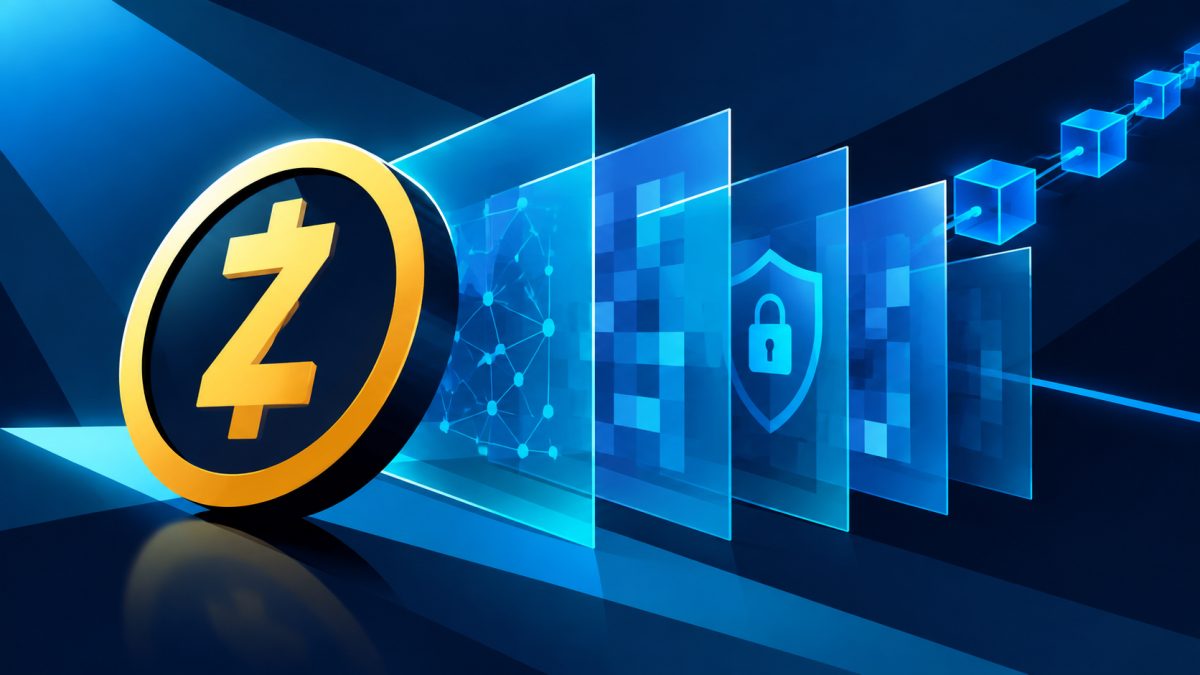
Privacy as a Monetary Primitive, Not Just a Feature
TREE NEWS reports: Mert Mumtaz, co-founder of Solana infrastructure provider Helius, argued on X that Zcash’s privacy capabilities should be understood not merely as a niche privacy tool, but as a foundational requirement for any internet-native store of value. His core insight: on transparent blockchains, every coin carries a transaction history, and that history creates real economic differences between units of the same asset.
Why Fungibility Matters for Money
Fungibility is the property that makes money work. One dollar must equal any other dollar, or the unit fails as a medium of exchange and unit of account. On public ledgers, however, coins touched by illicit activity, exchange hacks, or sanctioned addresses can be flagged, frozen, or discounted by counterparties. This “taint” risk means two tokens of the same nominal value may not be accepted on equal terms, eroding liquidity and creating friction for merchants, funds, and everyday users alike.
Mumtaz argues that privacy mechanisms reduce the influence of a coin’s history on its current holder, restoring the equivalence that sound money requires. In practice, this improves three things simultaneously:
- Fungibility: coins become interchangeable regardless of provenance.
- Liquidity: counterparties no longer need to screen or discount specific UTXOs.
- Safe-haven properties: holders are not penalized for events they had no part in.
Zcash’s Technical Trajectory
Zcash has been pushing beyond its original shielded-transaction design. Ongoing work on quantum-resistant cryptography and performance upgrades aims to make private transactions faster, cheaper, and more robust against future threats. Mumtaz frames these upgrades as complementary: without privacy, a store-of-value asset remains vulnerable to arbitrary exclusion; without performance and security, privacy cannot scale to real monetary use.
Industry Implications
The debate over privacy in crypto has often been framed as a regulatory binary — privacy versus compliance. The fungibility argument reframes it: privacy is not an evasion tool but a monetary design requirement, one that traditional cash already satisfies. As regulators sharpen their focus on chain analytics and transaction screening, the question of whether transparent chains can ever deliver a credible neutral settlement asset becomes more urgent. Projects that solve privacy without sacrificing auditability at the edges may find themselves positioned as the monetary layer of the next cycle.
Forward-Looking Perspective
If privacy becomes recognized as a precondition for fungibility rather than a feature, expect capital and developer attention to flow toward chains that treat it as infrastructure. The real test will be whether privacy-preserving assets can achieve exchange listings, institutional custody, and merchant acceptance at scale — a bar that requires both technical maturity and regulatory clarity. Zcash’s roadmap suggests it intends to compete on exactly those terms.