A Launchpad With a Different Thesis
TREE NEWS reports: aka.fun has launched on Arc mainnet, positioning itself as a new kind of crypto launchpad built on a deliberately blunt thesis: crypto already has liquidity, attention and distribution — real-world assets need more of all three. The platform pairs meme-driven trading activity with the distribution of tokenized real-world assets, settling in USDC and routing trades through programmable Uniswap v4 markets.
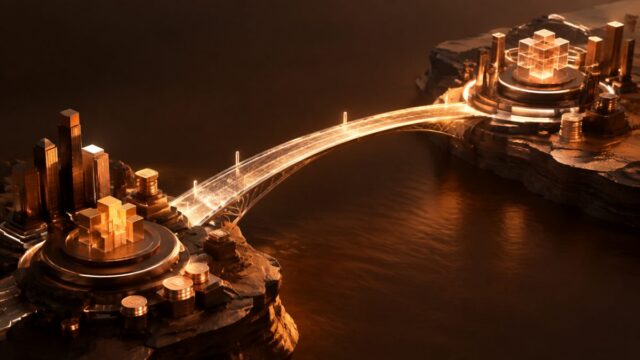
Rather than treating memecoins and RWAs as separate worlds, aka.fun treats the former as a customer acquisition channel for the latter. Meme traders bring volume, virality and wallet connectivity; tokenized assets bring duration, yield and institutional relevance. The launchpad is designed to sit at the junction.
Why Arc and USDC Matter Here
Two design choices stand out. First, launching alongside Arc mainnet suggests the team wants a settlement environment optimized for stablecoin-denominated activity rather than a legacy L1 or L2 with volatile gas economics. Second, denominating activity in USDC removes a layer of friction that has historically made RWA distribution awkward: users do not need to bridge into a new volatile token to participate.
The Uniswap v4 component is equally significant. Programmable hooks allow the platform to attach custom logic to pools — dynamic fees, compliance gates, whitelisting, or liquidity incentives — without forking the AMM. For RWA distribution, that programmability is the difference between a novelty and a viable rail.
The Broader RWA Distribution Problem
Tokenization has never been a technology problem. Issuers can mint representations of treasuries, credit, commodities or real estate with relative ease. The bottleneck is distribution: getting those tokens into wallets that will actually hold and trade them.
- Institutional channels are slow, permissioned and relationship-driven.
- Retail crypto channels are fast but historically indifferent to yield-bearing RWAs.
- Meme markets, meanwhile, have proven they can concentrate enormous attention in hours.
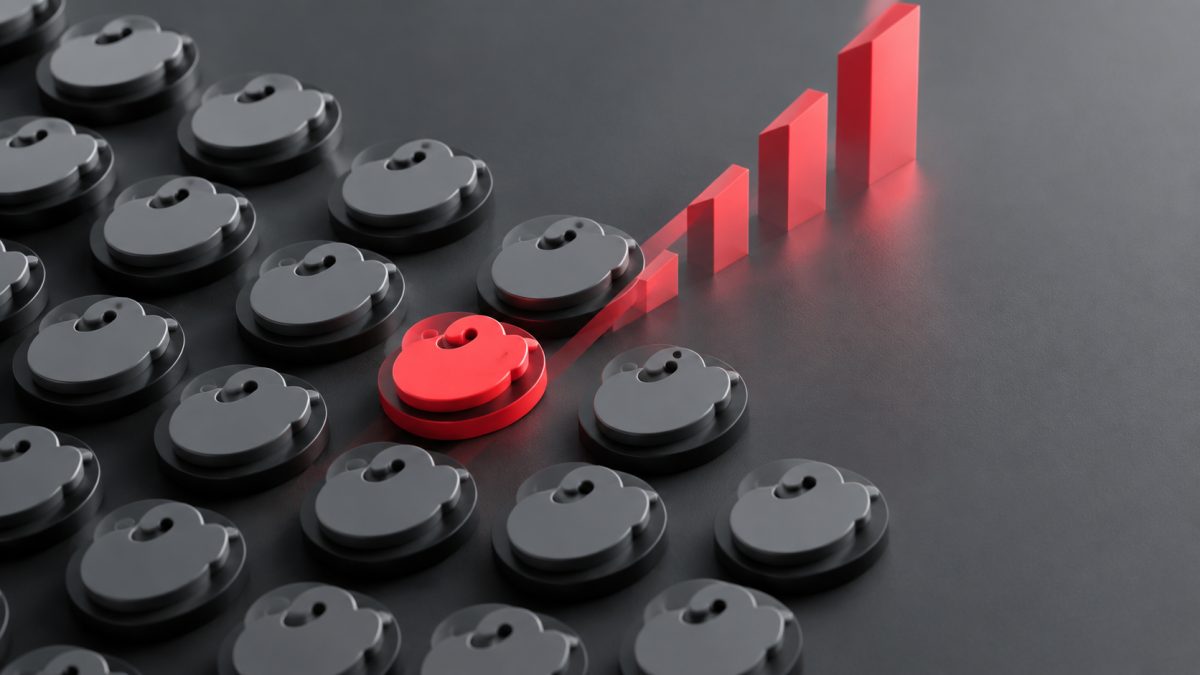
aka.fun’s bet is that the third channel can be pointed at the first two. If it works, the launchpad becomes a funnel: attention in, tokenized assets out.
What to Watch
The critical questions are execution and credibility. Meme-driven distribution can be loud but shallow, and RWA issuers will want to see sustained volume, real holders and clean compliance hooks before committing inventory. Regulators, too, will be watching how programmable pools are used to gate access to tokenized securities and credit products.
If aka.fun can demonstrate that meme liquidity reliably converts into RWA holders — not just one-off spikes — it will have built something the tokenization industry has struggled to construct for years: a retail distribution engine with institutional-grade rails underneath.