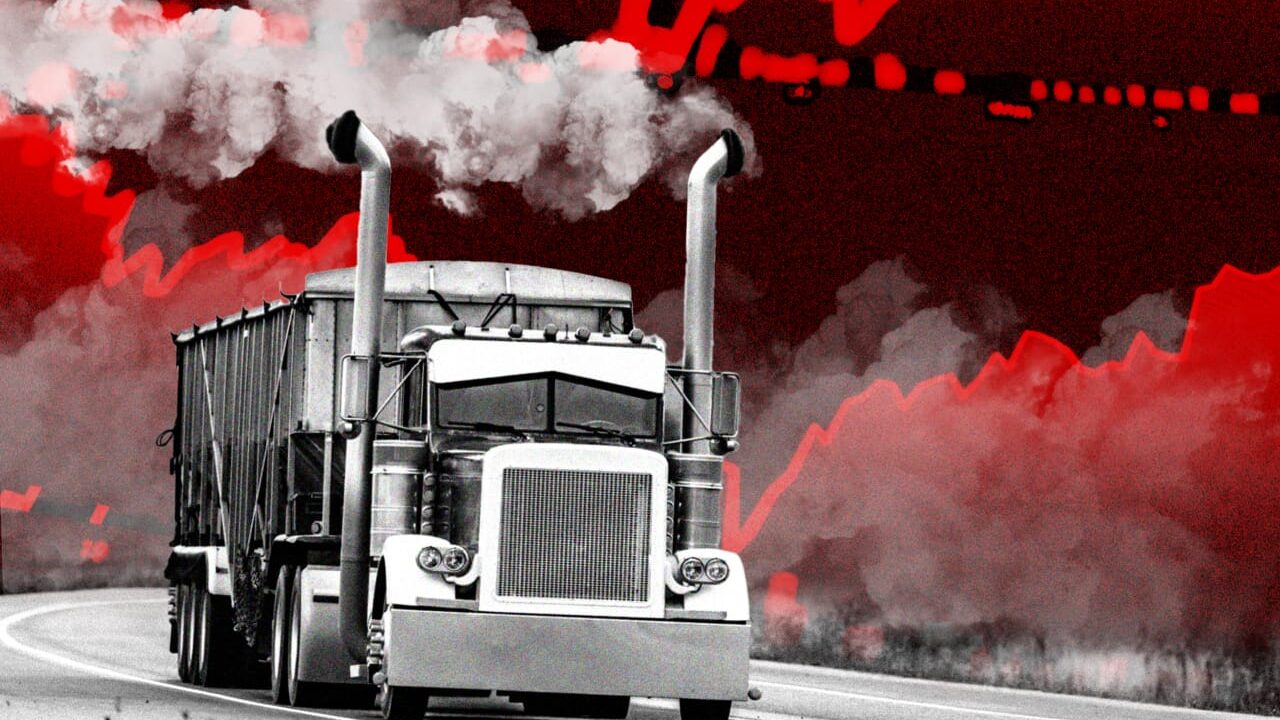
Record Diesel Prices Emerge as a New Inflationary Threat
TREE NEWS reports: Diesel prices have surged to record highs, creating a fresh source of upward pressure on inflation and exposing vulnerabilities across the stock market and the wider economy. The spike in diesel—the workhorse fuel of trucking, farming, construction, and industrial production—is raising operating costs for businesses and threatening to feed through to consumer prices at a time when investors had hoped inflation was finally cooling.
The development matters because diesel is not a niche commodity. It powers the freight networks that move goods, the machinery that builds infrastructure, and the equipment that harvests food. When diesel becomes expensive, those costs ripple through supply chains and eventually land on the shelves of retailers and the balance sheets of manufacturers.
Why Diesel Is Different From Gasoline
While much attention focuses on gasoline prices at the pump, diesel is more directly tied to economic activity. It is the fuel of commerce rather than commuting. A sustained diesel spike signals that the cost of moving and making things is rising, which is precisely the kind of inflation that central banks find hardest to tame.
Several forces have converged to push diesel higher. Global refining capacity has been constrained since the pandemic, with several plants closing permanently. Meanwhile, demand has remained resilient as economies reopen and industrial activity continues. Geopolitical tensions and sanctions on major energy exporters have also tightened global fuel supplies, particularly in Europe, which has historically relied on imports of refined products.
Market Implications: Stocks, Bonds, Crypto, Commodities, Currencies
Stocks
- Transportation and logistics: Trucking companies, railroads, and airlines face higher fuel costs, squeezing margins unless they can pass costs to customers.
- Industrials and materials: Construction, mining, and manufacturing firms see input costs climb, pressuring earnings.
- Consumer discretionary: Retailers and consumer-facing companies may absorb higher shipping costs or pass them on, risking weaker demand.
- Energy sector: Integrated oil majors and refiners with diesel exposure could benefit from elevated crack spreads.
Bonds
Persistent diesel-driven inflation complicates the outlook for central banks. If inflation proves stickier than expected, policymakers may keep interest rates higher for longer or delay cuts. That would push bond yields higher and prices lower, particularly at the shorter end of the curve, which is most sensitive to rate expectations.
Crypto
Digital assets have increasingly traded as risk-sensitive instruments. Rising inflation and higher-for-longer rates tend to strengthen the dollar and reduce appetite for speculative assets, a headwind for bitcoin and altcoins. However, if diesel-driven inflation erodes confidence in fiat currencies, some investors may turn to bitcoin as an inflation hedge, creating a two-sided dynamic.
Commodities
Diesel itself is the story, but the ripple effects extend across the commodity complex. Higher fuel costs raise the cost of producing and transporting everything from agricultural goods to metals. Crude oil prices may also remain elevated, while natural gas and refined product cracks could stay volatile.
Currencies
The U.S. dollar could strengthen if higher inflation forces the Federal Reserve to maintain a hawkish stance. Conversely, currencies of energy-importing nations, particularly in Europe and parts of Asia, may weaken as their trade balances deteriorate under costlier fuel imports.
Key Takeaways for Investors
- Inflation is not dead: Diesel is a reminder that price pressures can resurface from unexpected corners, keeping volatility alive in rate-sensitive assets.
- Watch the refiners: Companies with diesel refining capacity may outperform as crack spreads widen.
- Beware of margin compression: Transport, industrial, and consumer names with limited pricing power could see earnings downgrades.
- Diversify inflation hedges: Commodities, energy equities, and selectively bitcoin may offer protection if diesel-driven inflation persists.
- Monitor central bank language: Any hint that policymakers are worried about sticky inflation could trigger sharp moves in bonds and equities.
The diesel market is often overlooked, but it is a critical barometer of real economic activity. Its record run is a warning sign that the inflation fight is not over—and that investors should prepare for a bumpier path ahead.



