News Summary
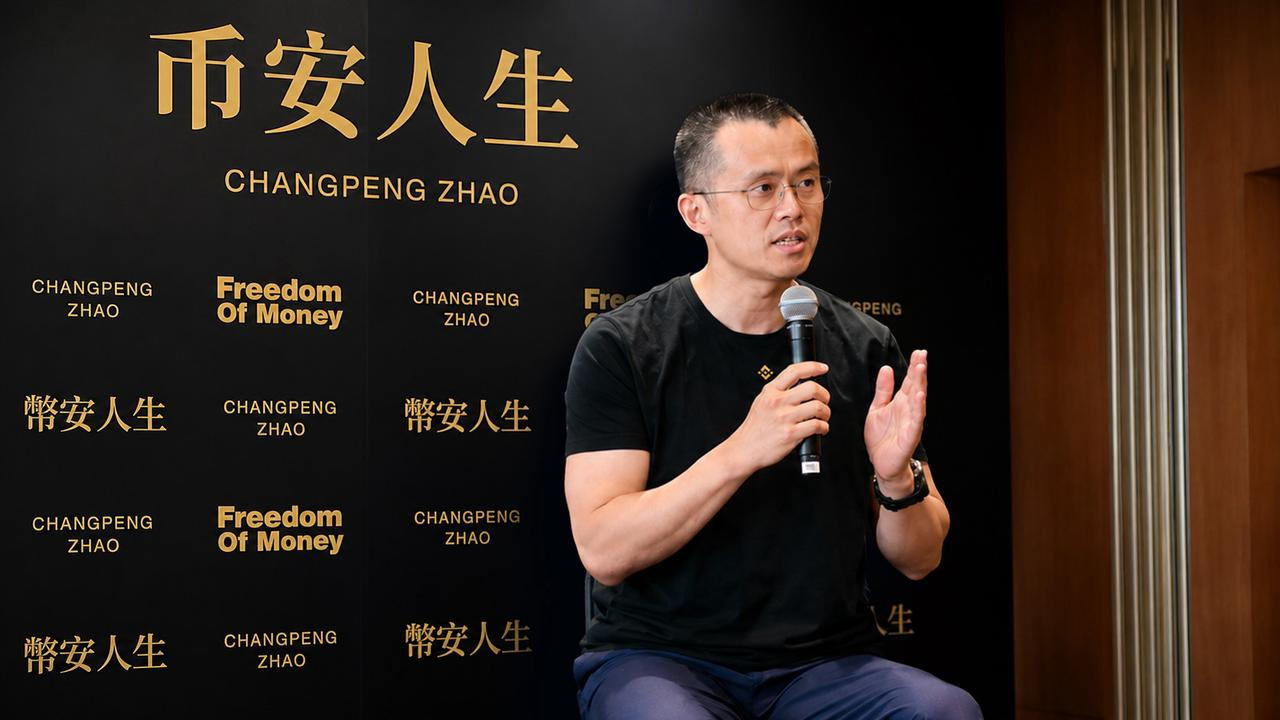
TREE NEWS reports: In a wide-ranging AMA held in Hong Kong, Binance founder Changpeng Zhao (CZ) laid out a decision-making framework and a forward view of crypto’s next narrative. He urged young people not to treat overnight wealth as a goal, advising them to sort decisions by two axes: small/large and reversible/irreversible. Small, reversible choices should be executed fast; large, irreversible ones demand caution. He stressed moral boundaries come first, that risk control should determine investment posture, and warned against borrowing heavily to build positions. On technology, CZ said he is bullish on real-world asset (RWA) tokenization, predicting equities will tokenize first, followed by stablecoins, foreign exchange, and other asset classes. On Hong Kong regulation, he called for a gradual, year-by-year approach. He also highlighted the exponential growth of Giggle Academy and floated AI-driven personalized education as a future direction, while advising founders to build on personal strengths rather than blindly going all-in, and to prioritize health, family, and relationships.
Industry Analysis and Implications
CZ’s remarks land at a moment when tokenization has shifted from a crypto-native talking point to a TradFi boardroom agenda. His sequencing — equities first, then stablecoins, then FX and other assets — is notable because it inverts the common assumption that stablecoins and money-market funds would lead. The logic is plausible: public equities already have deep liquidity, standardized disclosure, and institutional custody rails, making them a cleaner first target for on-chain representation than fragmented FX markets. If major venues and custodians begin issuing tokenized equity exposure, the competitive pressure on traditional clearing and settlement will intensify.
His call for Hong Kong to advance regulation “year by year” signals a preference for predictable, incremental rulemaking over aggressive liberalization. That aligns with the city’s recent posture: licensing regimes for exchanges and stablecoin issuers have moved forward in stages, with regulators prioritizing investor protection over speed. For builders, the message is that Hong Kong remains a viable but patient jurisdiction.
The risk-control emphasis carries a market-structure subtext. CZ’s warning against leveraged, borrowed positions echoes lessons from the 2022 credit crisis, when excessive leverage among lenders and traders amplified contagion. A retail base that internalizes position-sizing discipline is less likely to trigger forced-liquidation cascades that damage venue solvency and regulatory goodwill.
Forward-Looking Perspective
The tokenization thesis now depends less on technology than on legal plumbing: custody rules, securities law treatment, and cross-border recognition. Watch for tokenized equity pilots involving regulated venues, stablecoin frameworks expanding beyond USD pegs, and Hong Kong’s next licensing wave. Meanwhile, CZ’s education and founder advice suggests a maturing ecosystem where narrative discipline — not just capital — determines who survives the next cycle.