US Blockade Halts Iran’s Seaborne Crude Exports as Russia Fills the Gap
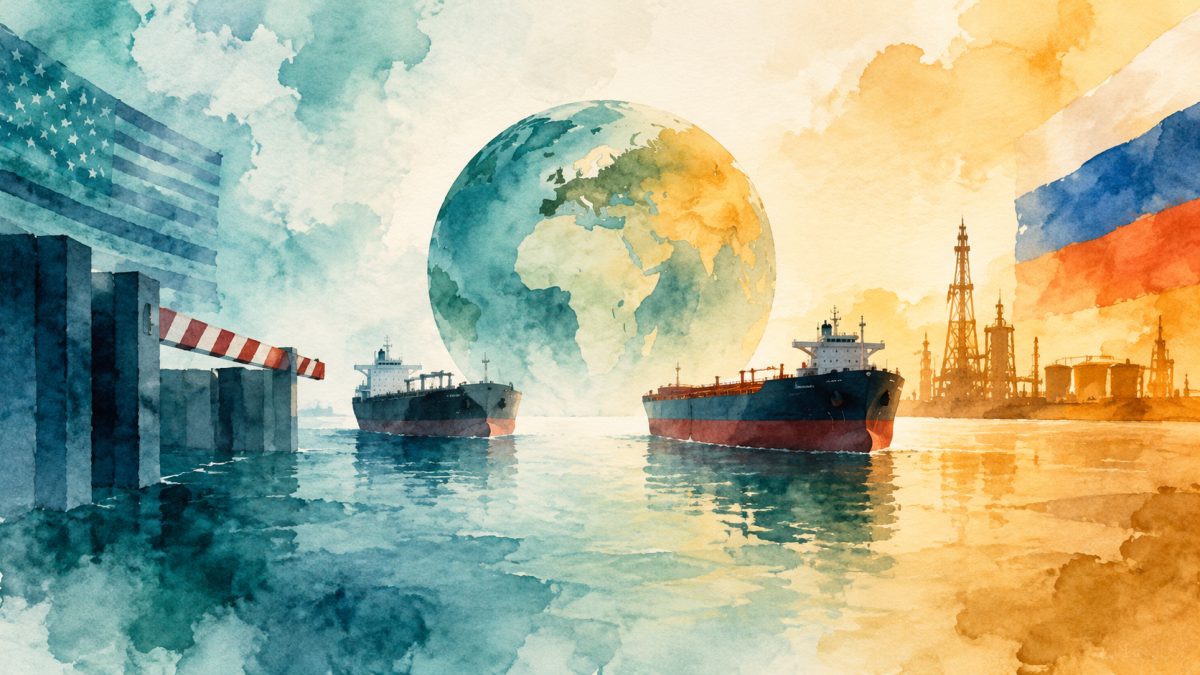
TREE NEWS reports: Iran’s seaborne crude exports have fallen to zero and have not recovered as of October 5, as a US blockade physically prevents Iranian barrels from leaving the Persian Gulf. Data from energy intelligence firm Vortexa shows that the 14-day average of Iran’s seaborne crude exports stood at 230,000 barrels per day in early September before collapsing to zero in the second week of the month. Meanwhile, Russian crude exports rose 6% month-over-month in September to 3.79 million barrels per day, excluding Caspian Pipeline Consortium (CPC) and KEBCO grades.
“The US blockade is physically preventing Iranian crude from leaving the Persian Gulf, achieving what years of sanctions could not,” said Claire Jungman, head of maritime risk and intelligence at Vortexa. The divergence between Iranian and Russian flows is reshaping the supply landscape for sanctioned crude.
Roughly 43 million barrels of Iranian crude remain trapped west of the Strait of Hormuz, part of an estimated 83 million barrels held in floating storage. The blockade’s impact is widening beyond crude: Iran’s liquefied petroleum gas (LPG) exports fell 48% month-over-month in September to their lowest level since at least January 2023. While zero export flows do not mean Iranian inventories have disappeared, the fate of those stranded barrels depends on how long the blockade lasts and whether regional shipping security improves.
Russia Fills the Void, But Total High-Risk Supply Still Shrinks
Russian crude is filling part of the gap. Jungman noted that Chinese buyers’ urgent demand for Iranian crude has declined as Russian barrels substitute for the shortfall. Combined exports from Iran, Russia, and Venezuela stood at 4.73 million barrels per day in September, down from 6.39 million barrels per day a year earlier. Russia’s share of what Vortexa calls “high-risk crude exports” has risen to 80%.
Importantly, the rise in Russian exports does not mean total supply from the three countries has recovered. The combined total remains well below year-ago levels, and the export mix is tilting further toward Russia. Vortexa’s 3.79 million bpd figure excludes CPC and KEBCO grades and should not be directly compared with Russian export data using different methodologies.
Gulf Producers Recover, But Shipping Risks Persist
Excluding Iran, Gulf crude flows recovered to more than 81% of pre-war levels in September, driven mainly by Saudi Arabia’s export recovery. But rising volumes do not mean energy supply risks have vanished. The Strait of Hormuz remains under the shadow of regional conflict, and tanker transit, insurance costs, and shipping schedules could all affect actual deliveries. Even if some producers restore exports, whether crude can reach buyers safely and reliably remains a challenge for the international energy market.
Market Implications
- Oil prices: The loss of Iranian barrels is a bullish supply shock, but offset by recovering Gulf exports and rising Russian flows. The net effect is likely a modest risk premium rather than a sustained spike, unless the blockade escalates or spreads to other producers.
- Equities: Energy majors and tanker operators could benefit from rerouted trade flows and higher freight rates. Refiners with access to discounted Russian barrels may see margin support, while Asian buyers dependent on Iranian crude face higher input costs.
- Bonds: A sustained oil price rise would complicate central bank easing by keeping inflation pressures alive, potentially pushing yields higher and delaying rate cuts.
- Currencies: Oil-exporting currencies such as the Canadian dollar and Norwegian krone could find support, while the Iranian rial and currencies of net energy importers remain vulnerable.
- Crypto: Geopolitical risk typically boosts demand for bitcoin as a non-sovereign hedge, though the effect is often short-lived absent a broader risk-off move.
Key Takeaways for Investors
- The blockade has achieved what sanctions could not: a physical halt to Iranian seaborne exports. Watch for duration — a prolonged blockade tightens global supply.
- Russia’s rising share of high-risk crude exports means sanctions enforcement and shipping insurance remain key swing factors for prices.
- Total high-risk supply is still shrinking year-over-year, so the market is tighter than headline Russian growth suggests.
- Monitor Strait of Hormuz shipping security, insurance costs, and whether stranded Iranian barrels re-enter the market through alternative channels.