Bankless Co-Founder Sells All ETH, Rotates Into Privacy, Derivatives, AI — and Beats Ethereum by 70 Points
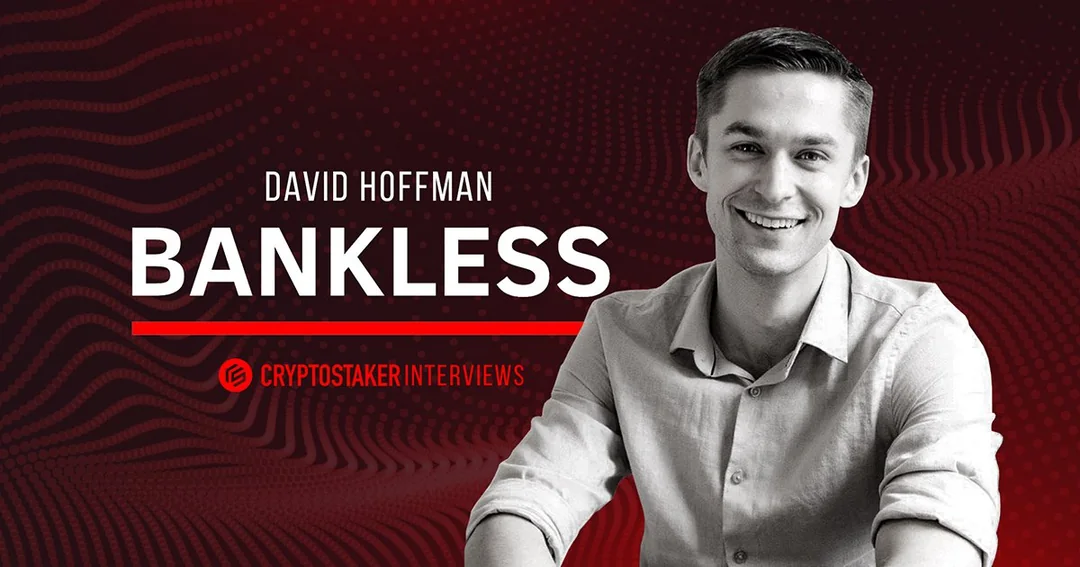
TREE NEWS reports: On May 21, David Hoffman, co-founder of Bankless and one of Ethereum’s most vocal evangelists for six years, announced he had sold his final ETH. Three and a half months later, that decision has made him a clear winner.
What He Bought and Why
Hoffman disclosed his full rotation in early June: roughly 50% of proceeds went immediately into four assets — VVV (Venice AI), NEAR, ZEC, and HYPE. The other 50% was reserved for dollar-cost averaging into LIT, a zkRollup-based on-chain perpetuals exchange, which became his largest position.
- ZEC: Entered near $540; now above $1,200 (+120%). Catalyst: Grayscale’s ZEC spot ETF (ZCSH) launched Aug. 25 on NYSE Arca, AUM swelling from $300M to $460M, plus a $46M short squeeze.
- HYPE: Entered near $56; now ~$87 (+55%). Hyperliquid’s token burns exceed $4B, with daily protocol revenue around $2.26M.
- LIT: DCA average $1.5–2.0; now ~$4.7 (+135–210%). Hoffman calls it ‘both the Beta and Alpha of HYPE,’ citing faster buybacks and zk-verifiable rules.
- NEAR: Entered at $1.4; now ~$2.37 (+69%). NEAR Intents acts as a toll booth for ZEC-related trading volume.
- VVV: Roughly flat — the only laggard, with no additional public conviction.
The Real Signal: Value Shift from L1s to Applications
Hoffman’s portfolio returned an estimated 90–120% versus ETH’s 17%. More important than the numbers is the framework: he abandoned an L1 narrative (network effects, gas burn) for assets whose valuations are anchored in verifiable on-chain activity — protocol revenue, buyback rates, ETF inflows, and actual usage.
His ZEC bet was a play on a known regulatory catalyst; LIT was a higher-beta version of HYPE with structural advantages; NEAR and ZEC even formed a self-reinforcing loop via Intents trading fees.
Forward-Looking Perspective
Hoffman’s move signals a maturing market where ‘faith doesn’t generate yield — verifiable cash flows do.’ As liquidity stays scarce, expect more capital to rotate from L1 speculation toward application-layer protocols with measurable economics. The next winners may be those that can prove usage, not promise it.