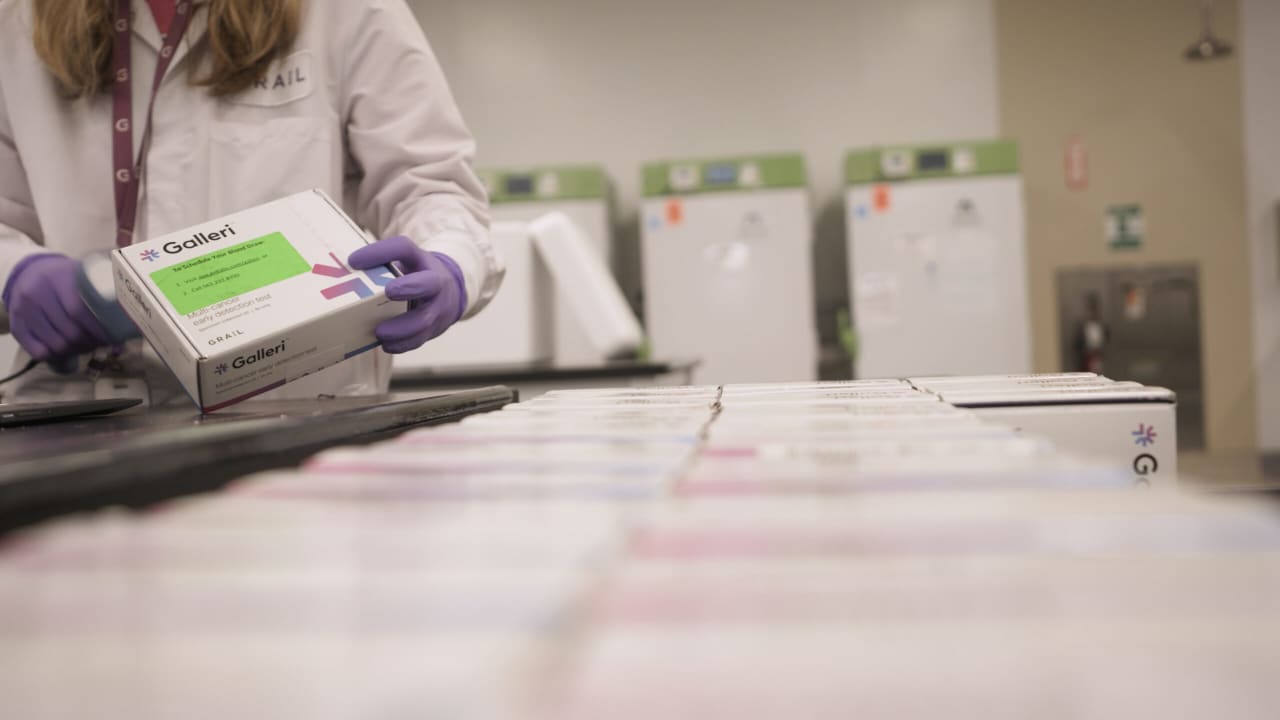
Grail’s Galleri Test: A Promising Screening Tool With an Uncertain Path to Coverage
TREE NEWS reports: Grail, a subsidiary of Illumina, has developed a blood test called Galleri that can screen for more than 50 types of cancer from a single blood draw. However, a major study published recently failed to demonstrate that the test could reliably detect later-stage cancers, raising questions about its clinical utility. The test’s future—and whether Medicare and private insurers will cover it—now hinges on FDA approval. Without regulatory clearance, payers are unlikely to reimburse the test, leaving Grail and its parent company facing significant commercial uncertainty.
Market Implications: Diagnostics Sector and Beyond
The news has immediate implications for Illumina (ILMN), which spun off Grail but retains a stake, as well as for the broader diagnostics and life sciences sector. If the FDA approves Galleri, it could open a multi-billion-dollar market for multi-cancer early detection (MCED) tests, benefiting Grail and competitors like Exact Sciences (EXAS) and Guardant Health (GH). Conversely, a rejection or delay would weigh on Illumina’s valuation and cast doubt on the entire MCED space.
For investors, the key is reimbursement. Medicare’s coverage decision will likely follow FDA approval, but even then, payers may demand more robust evidence of mortality reduction. Private insurers often follow Medicare’s lead. Thus, the FDA’s verdict is a critical catalyst.
Broader Market Impact: Stocks, Bonds, Crypto, Commodities, Currencies
- Stocks: Illumina’s stock could see volatility. A positive FDA outcome might lift not only ILMN but also other diagnostics firms. A negative outcome could drag down the sector. The broader market impact is likely limited, as Grail is a small part of Illumina’s revenue.
- Bonds: No direct impact. However, if the FDA decision signals a tougher stance on diagnostics approvals, it could affect financing costs for biotech firms.
- Crypto: No direct impact. Crypto markets are driven by macro and regulatory factors, not individual healthcare approvals.
- Commodities: No direct impact. Healthcare news rarely moves commodity prices.
- Currencies: No direct impact. The dollar and other majors are influenced by monetary policy and economic data, not single-stock healthcare news.
Why This Matters for Investors
This story highlights the intersection of science, regulation, and reimbursement in healthcare investing. For those with exposure to Illumina or the diagnostics sector, the FDA decision is a binary event that could significantly impact returns. More broadly, it underscores the risks of investing in early-stage medical technology: even promising tests face hurdles in proving clinical benefit and securing payment. Investors should monitor FDA advisory committee meetings and any Medicare coverage decisions for signals. Diversification remains key, as idiosyncratic regulatory risks can be severe.
Key Takeaways
- Grail’s Galleri test for 50 cancers lacks proven ability to detect later-stage cancers, jeopardizing its path to reimbursement.
- FDA approval is a prerequisite for Medicare and private insurer coverage, making it a critical catalyst for Illumina and the MCED sector.
- Market impact is concentrated in diagnostics stocks; broader asset classes are unlikely to be affected.
- Investors should watch for FDA decisions and reimbursement announcements, and consider the binary nature of this regulatory event.