Trump’s AI Safety Accord: Tech Giants Self-Police, Crypto AI Left in the Cold
TREE NEWS reports: The Trump administration has unveiled a new AI safety accord that delegates responsibility for policing artificial intelligence risks to the very companies developing the technology. Google, Meta, and OpenAI are among the signatories expected to adhere to a set of voluntary guidelines, but the arrangement stops short of imposing enforceable regulatory requirements.
What the Accord Requires
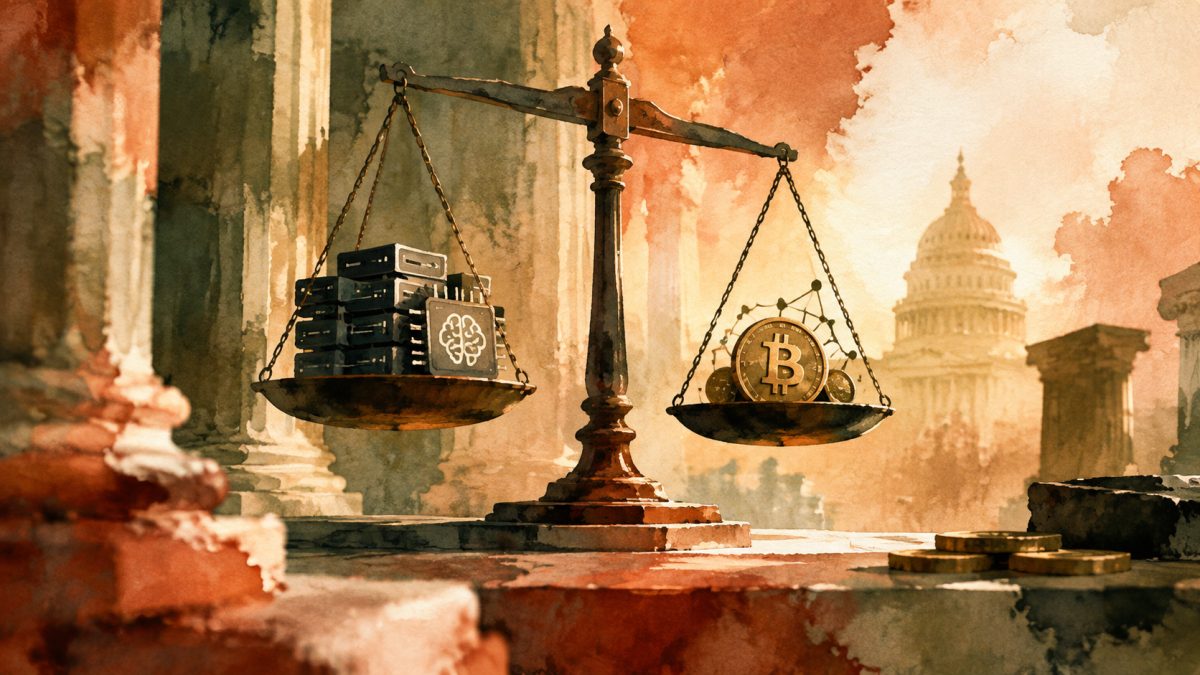
Participating companies commit to internal safety reviews, transparency reports, and best-effort compliance with emerging AI safety standards. There is no independent oversight body, no statutory penalty for non-compliance, and no mechanism for third-party audits. In essence, the accord relies on corporate goodwill—a model that critics argue has repeatedly failed in the tech industry.
Implications for the Crypto AI Sector
While the accord targets Big Tech, its ripple effects will be felt across the crypto AI landscape. Decentralized AI networks, on-chain inference marketplaces, and GPU compute protocols operate outside the traditional corporate framework. They are neither invited to the table nor bound by the accord’s voluntary commitments. This omission creates a regulatory blind spot: as centralized AI giants self-certify, decentralized AI projects face an uncertain compliance environment that could either stifle innovation or push activity further offshore.
Moreover, the lack of clear safety standards for AI models—whether centralized or decentralized—poses systemic risks. On-chain AI agents that execute financial transactions, for example, could amplify market volatility if their decision-making processes are opaque and unaudited. The accord does nothing to address these emerging DeFi-AI intersections.
A Toothless Approach?
Industry observers note that voluntary frameworks have historically struggled to keep pace with rapid technological change. Without enforcement teeth, the accord may serve more as a public relations exercise than a meaningful safety net. For crypto-native AI projects, the absence of clear rules is a double-edged sword: it offers short-term flexibility but long-term uncertainty, potentially deterring institutional capital and mainstream adoption.
Forward-Looking Perspective
As AI becomes increasingly integrated with blockchain infrastructure, the need for coherent, enforceable safety standards will only grow. The Trump accord may be a first step, but it leaves critical questions unanswered. Will decentralized AI be brought into the fold? Can voluntary compliance coexist with the permissionless ethos of Web3? Without addressing these gaps, the accord risks becoming a footnote in the broader story of AI governance—while the crypto AI sector forges ahead in a regulatory gray zone.