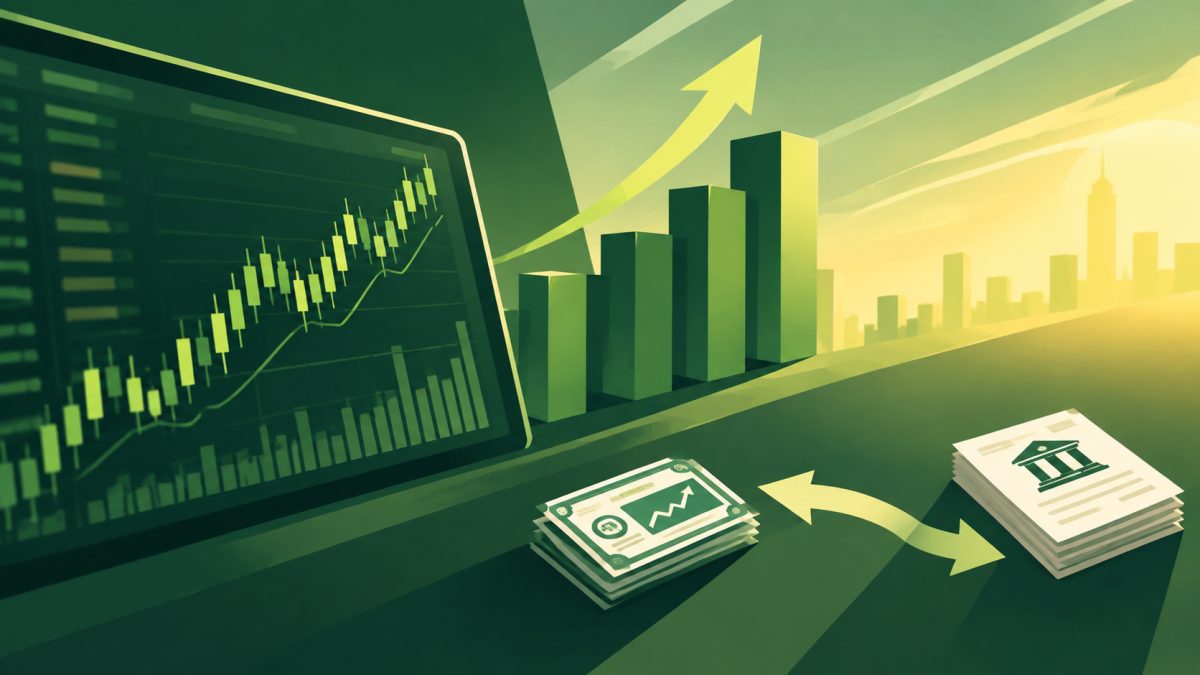
Market on Fire: The $1,000 Question Every Investor Faces
TREE NEWS reports: In a recent MarketWatch column, a reader asked a deceptively simple question: “The market is obviously on fire. Should I take $1,000 from my brokerage account to pay off my car loan? I’m curious whether there’s a downside.” The query, while personal, touches on a timeless investing dilemma—whether to prioritize debt reduction over potential market gains, especially when equities are surging.
The premise is straightforward: with the S&P 500 hitting record highs and portfolio values swelling, many investors feel emboldened to cash out small positions to eliminate high-interest debts. But as the column wisely notes, the answer isn’t as simple as “sell high, pay off debt.” It depends on your interest rate, your investment horizon, and your emotional tolerance for market volatility.
Market Impact: What This Tells Us About Investor Sentiment
While this is a personal finance question, it reflects a broader market sentiment. When retail investors begin asking whether to rotate out of stocks to pay off consumer debt, it signals a few things:
- Consumer leverage is rising: With auto loan rates averaging 7-9% for new cars and higher for used, the arbitrage between expected stock returns (historically ~7-10% after inflation) and loan interest is narrowing. This could lead to increased selling pressure on equities if rates stay elevated.
- Record-high markets breed caution: The fact that someone is asking this question suggests a level of unease—investors are looking for a reason to lock in gains, which can precede short-term market pullbacks.
- No systemic impact: A single $1,000 withdrawal is negligible, but if a trend emerges where households sell stocks to pay down consumer debt, it could modestly reduce retail participation in equities, potentially weighing on small-cap and momentum stocks that rely heavily on retail flows.
From a macro perspective, this story is a microcosm of the consumer balance sheet. If consumers are prioritizing debt repayment over stock accumulation, it could signal a shift in spending power away from risk assets and toward deleveraging—a trend that historically correlates with slower economic growth but healthier long-term financial stability.
Key Takeaways for Investors
- Interest rate is king: If your car loan APR exceeds 7%, paying it off is effectively a guaranteed return on investment. If it’s below 4%, you’re likely better off keeping the money in a diversified index fund, assuming a long time horizon.
- Consider opportunity cost: The stock market’s recent performance is not a guarantee of future returns. Don’t let FOMO drive your debt decisions—evaluate your personal financial goals first.
- Tax implications matter: Selling stocks may trigger capital gains taxes, which could reduce the net benefit of paying off a loan. Always calculate after-tax returns.
- Emotional resilience: If the thought of your portfolio dropping 20% keeps you up at night, paying off debt might be worth the peace of mind, even if it’s not mathematically optimal.
Ultimately, the “downside” the reader asks about isn’t just financial—it’s psychological. The market being on fire today doesn’t mean it will be tomorrow. Whether you sell $1,000 or $100,000, the key is to align your decision with your risk tolerance and long-term plan, not just the latest rally.