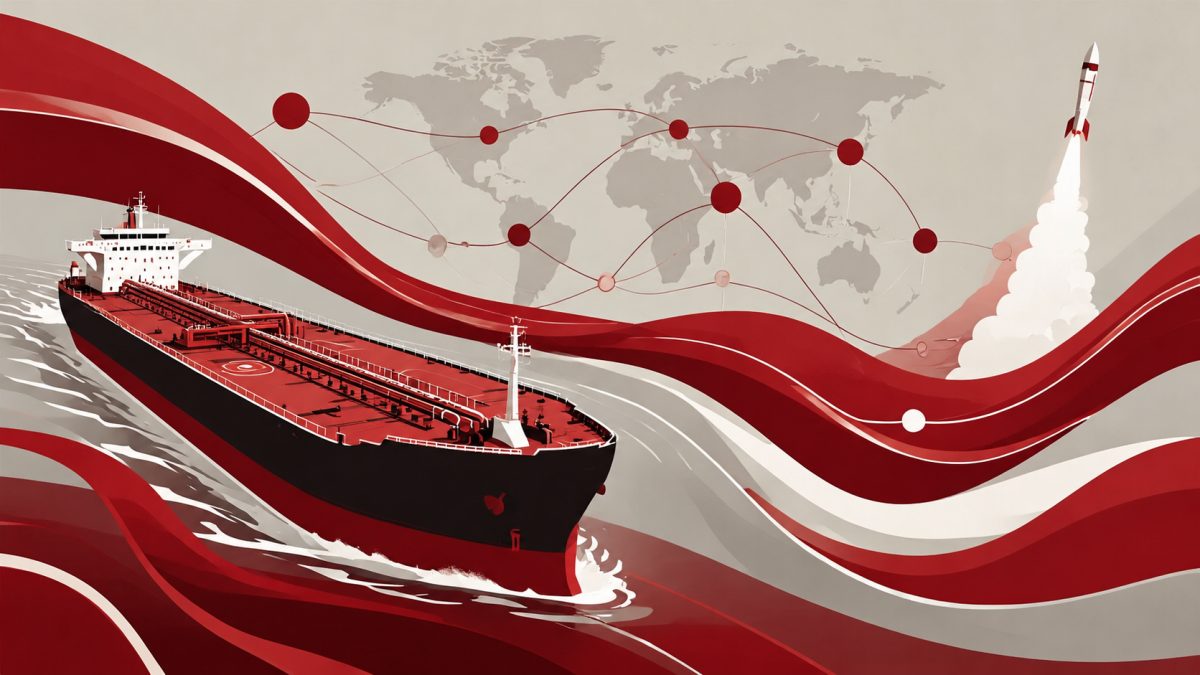
Global Tanker Market in Unprecedented Freight Storm
TREE NEWS reports: The global oil tanker market is experiencing an unprecedented freight rate surge, with supertanker costs reaching their highest levels in six decades. Shipping a single cargo of crude oil from the US to China now costs approximately $80 million — exceeding the standard launch price of a SpaceX Falcon 9 rocket at roughly $74 million. In a striking comparison, a recent US-origin tanker booking this week translated to a transportation cost of $41 per barrel, versus a 2024 average of just $4.50 on the same route. That $41 figure represents roughly 45% of the West Texas Intermediate crude futures price.
Structural Supply Shortage Reshapes Global Oil Trade
The root cause of this freight explosion is a structural capacity shortage triggered by the Iran conflict. After hostilities escalated, traffic through the Strait of Hormuz became increasingly risky, prompting widespread rerouting and sharply compressing effective global vessel capacity. While oil transit through Hormuz has recovered to roughly 80% of pre-war levels, trade flows are far more complex. Middle Eastern producers increasingly rely on ship-to-ship transfers at sea, each adding approximately a week of voyage time and further lengthening fleet turnover cycles.
Iran’s crude exports to China have effectively been interrupted, forcing Chinese buyers to source from alternative suppliers and driving up tanker demand in mainstream markets. Meanwhile, attacks on commercial vessels have idled some ships for repairs, while others reroute around Africa to avoid Houthi threats, adding thousands of miles to voyages.
Costs Cascade Through the Energy Supply Chain
The impact is rippling far beyond crude transport. Suezmax tanker daily earnings have jumped to over $680,000 — roughly five times the level at the start of the month. Gas carriers transporting propane and similar products are near historic records, more than tripling from late last year. The ClarkSea Index hit a record high of $75,658 per day as of October 2, marking a 73% monthly gain and sitting 84% above the 10-year average. Notably, this rally is not confined to tankers — LNG carriers, dry bulk vessels, container ships and car carriers are all at unusually strong levels.
Refiners are feeling the squeeze. Repsol reported third-quarter refining margins of $36 per barrel, but analysts estimate October margins have narrowed to around $15, partly due to elevated tanker costs. Shell warned that some Q3 results would be affected by rising variable costs from long-term shipping leases. Tor Svelland of hedge fund Svelland Capital cautioned that when transport costs rise from 5% to 50% of cargo value, trade flows simply stop.
Asset Repricing: Used Ships Now Cost More Than Newbuilds
The freight surge is reshaping shipping asset valuations. Second-hand tanker prices have climbed to a record $240 million per vessel, up over 60% from the end of last year. A 15-year-old VLCC now averages about $160 million — 44% higher than three months ago and above the $131 million newbuild price, a highly unusual inversion. Captains willing to navigate the Strait of Hormuz command monthly salaries of up to $100,000, while Middle East VLCC daily rates briefly touched a historic $1.3 million.
Key Takeaways for Investors
- Inflation risk is rising: Elevated freight costs are feeding into diesel and refined product prices, pressuring industrial and agricultural sectors and complicating central bank inflation outlooks.
- Refining margins at risk: Integrated oil majors and refiners face compressed profitability if transport costs continue climbing.
- Shipping equities and assets: Listed shipping companies have seen combined market capitalization exceed $700 billion, a record. Used vessel values outperforming newbuilds signals a structural capacity premium.
- Watch for demand destruction: If freight costs approach half of cargo value, trade flows may halt — a critical threshold for global oil market stability.