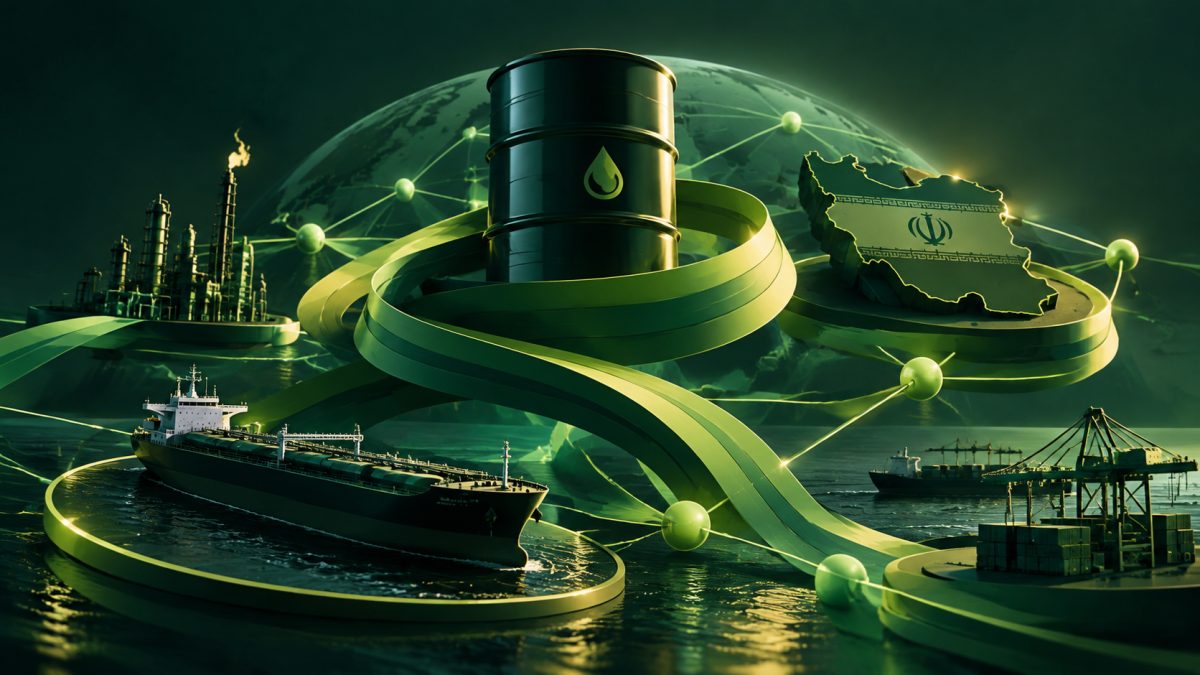
Why Oil Prices Stay High Despite Rising Supply: The Hidden Role of Iran and Shipping Costs
TREE NEWS reports: Despite Middle East oil flows recovering above pre-war levels, crude prices remain stubbornly elevated. Economists and macro analysts point to soaring transport costs and Iran’s geopolitical leverage as the real culprits. Oil flows through the Strait of Hormuz and alternative routes averaged over 24 million barrels per day in the week ending October 18, up from 2.33 million barrels before the conflict. Yet, the market is overlooking a critical fact: refiners pay not just for crude, but also for freight, insurance, and financing costs.
Shipping costs from the Gulf to Asia have skyrocketed to around $34 per barrel, with some estimates as high as $36, and costs from the US Gulf Coast to China exceeding $37 per barrel. This structural increase in transport costs means that even if supply volumes recover, the delivered cost of oil remains high.
Iran’s Strategic Calculus: Threat Without Blockade
The core insight is that Iran does not need to blockade the Strait of Hormuz to keep oil prices elevated. By maintaining a credible threat level, Iran can ensure that shipping and insurance costs stay high, indirectly supporting crude prices. This strategy avoids provoking a massive US military response while still applying economic pressure. The goal appears to be an oil price high enough to create political pressure on the US administration, but not so high as to trigger military action—targeting Brent in the $110-120 range, rather than above $150.
Recent data shows a slight decline in tanker attacks in the Persian Gulf, but analysts warn this is likely a temporary tactical pause related to Israel’s upcoming election, not a fundamental shift in Iran’s strategy. The risk premium could persist well beyond the election.
Market Implications
This dynamic has significant implications across asset classes:
- Stocks: Energy sector stocks may continue to benefit from elevated oil prices, while transport-dependent sectors face margin pressure. Broader equity markets could see headwinds if oil prices remain high, feeding into inflation expectations.
- Bonds: Persistent high oil prices could keep inflation expectations elevated, supporting higher yields and pressuring bond prices, especially at the long end.
- Crypto: Bitcoin and other cryptocurrencies may act as a hedge against geopolitical uncertainty and inflation, but a strong dollar could cap upside.
- Commodities: Oil remains the epicenter, but high energy costs could spill over into other commodities, particularly agricultural and metals, due to higher production and transport costs.
- Currencies: Oil-exporting currencies like the Canadian dollar and Norwegian krone may find support, while the dollar could strengthen if geopolitical tensions escalate, given its safe-haven status.
Key Takeaways for Investors
- Supply recovery does not guarantee lower prices; transport and insurance costs are structural and may persist.
- Iran’s strategy of maintaining threat without full blockade keeps a floor under oil prices.
- Geopolitical risk premiums are unlikely to dissipate quickly, especially with upcoming elections and ongoing conflicts.
- Investors should consider energy exposure as a hedge, but be mindful of broader market volatility.
- Watch for signs of escalation or de-escalation around the Strait of Hormuz and Israel’s election outcome.