Four Reasons Inflation Could Reaccelerate — Including the End of Tariff Refunds
TREE NEWS reports: Investors may need to brace for a second wave of inflation. In a recent note, DeBusschere outlined four catalysts that could push consumer prices higher in the coming months, with a surprising culprit: the expiration of tariff refunds that many companies have used to offset higher import costs.
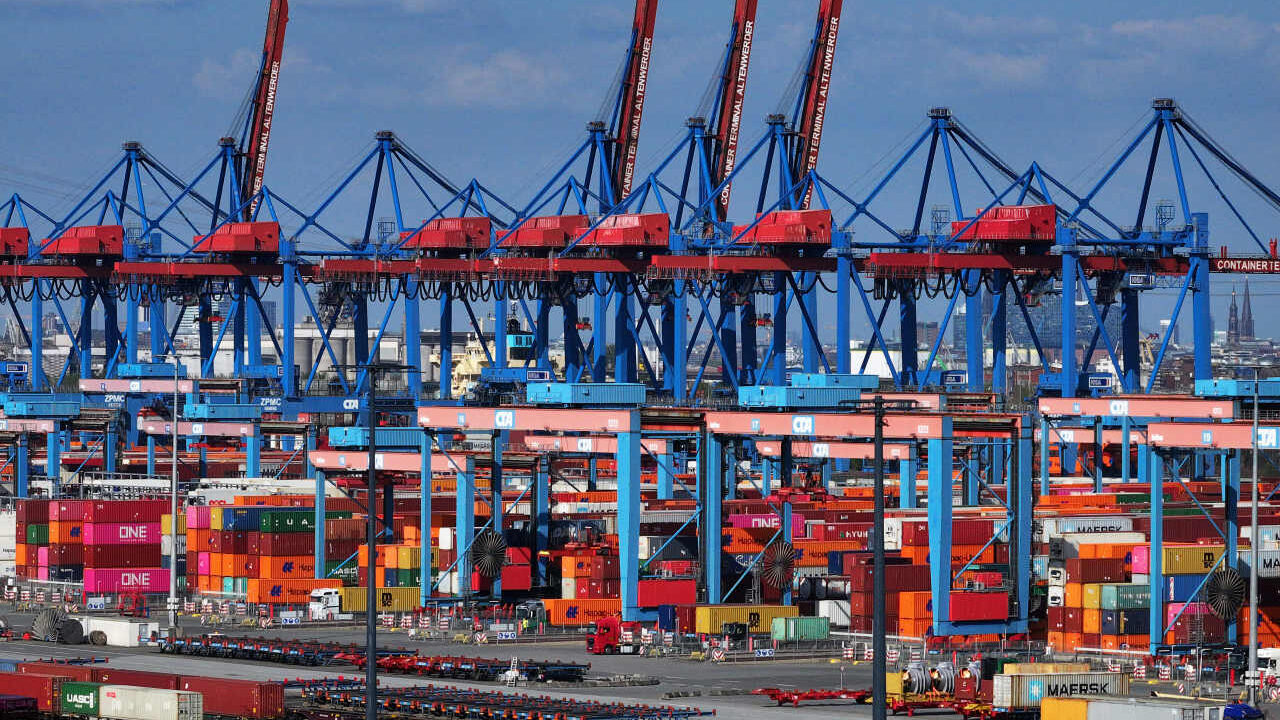
For the past year, a number of firms have benefited from retroactive tariff exemptions or refunds, allowing them to absorb elevated costs without passing them fully onto consumers. But as those refunds wind down, DeBusschere warns that companies will increasingly have little choice but to raise prices, adding fresh upward pressure on inflation.
What’s Happening
The four reasons cited by DeBusschere include:
- End of tariff refunds: Companies that relied on refunds to cushion tariff costs will now face the full brunt of higher import prices and are likely to pass them on.
- Sticky services inflation: Services prices, particularly in housing and health care, remain elevated and show little sign of cooling.
- Wage growth: A tight labor market continues to support robust wage gains, which can feed into higher consumer prices.
- Commodity price rebounds: Recent upticks in energy and food prices could add to headline inflation.
While none of these factors alone may be alarming, their combined effect could make the Federal Reserve’s path to 2% inflation more arduous.
Market Implications
If inflation proves stickier than expected, markets could see a sharp repricing of interest-rate expectations. Here’s how different asset classes might react:
- Stocks: Higher inflation could pressure equity valuations, especially for growth and technology stocks that are sensitive to rising discount rates. However, companies with pricing power may outperform.
- Bonds: Yields could climb as investors demand greater compensation for inflation risk, leading to price declines in fixed-income assets.
- Crypto: Bitcoin and other digital assets have sometimes been touted as inflation hedges, but their correlation with risk assets means they could face volatility. A hawkish Fed could weigh on crypto prices.
- Commodities: Inflationary pressures often benefit commodities, particularly energy and metals, as they are seen as real assets.
- Currencies: The U.S. dollar could strengthen if the Fed maintains a restrictive stance, while currencies of countries with looser monetary policy may weaken.
Why It Matters for Investors
The reacceleration of inflation would complicate the Federal Reserve’s decision-making. Policymakers have signaled that they are in no rush to cut rates until they see sustained progress toward their 2% target. If inflation proves stubborn, rate cuts could be delayed, which would have broad ramifications for portfolios.
Investors should consider positioning for a higher-for-longer rate environment. That could mean favoring value stocks over growth, shortening duration in bond portfolios, and allocating to inflation-sensitive assets like commodities and Treasury Inflation-Protected Securities (TIPS).
Additionally, the end of tariff refunds highlights a broader risk: as companies lose temporary cost buffers, margin pressures could intensify, leading to earnings downgrades in sectors heavily reliant on imports.
While it’s too early to declare an inflation resurgence, DeBusschere’s warning serves as a timely reminder that the battle against inflation is not yet won. Investors should stay vigilant and diversify their portfolios to navigate potential volatility ahead.