Coinbase Adds PAXG as Collateral for USDC Loans
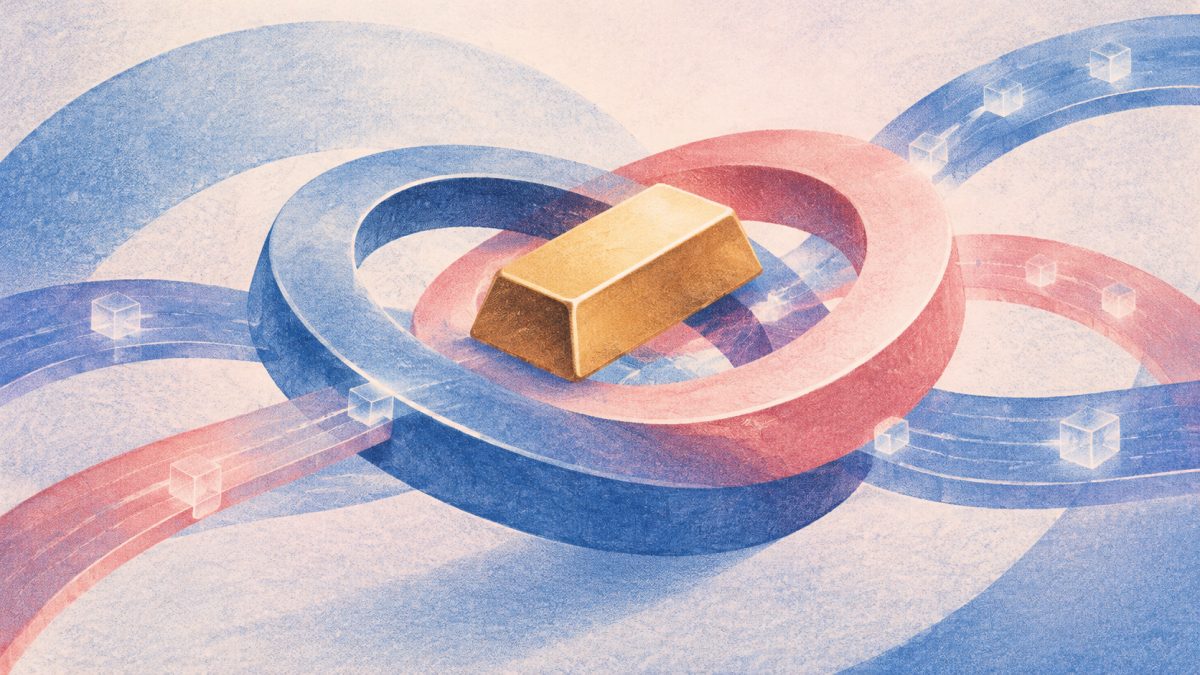
TREE NEWS reports: Coinbase has expanded its on-chain lending offerings by enabling users to borrow USDC against PAX Gold (PAXG), a token backed by physical gold. The service, built on the Base network, allows customers to access stablecoin liquidity without selling their gold tokens, marking another step in the convergence of traditional assets and decentralized finance.
The move comes as demand for real-world asset (RWA) tokenization accelerates, with gold-backed tokens gaining traction as a hedge against inflation and market volatility. By integrating PAXG into its lending infrastructure, Coinbase is positioning itself at the intersection of commodity markets and crypto-native credit.
How It Works and Why It Matters
Users can deposit PAXG as collateral and borrow USDC up to a certain loan-to-value ratio, with the loan managed via smart contracts on Base. This structure eliminates the need to liquidate gold holdings, preserving exposure while unlocking liquidity. The service is powered by a DeFi lending protocol, though specific partners were not disclosed.
For Coinbase, the product deepens its utility beyond trading and custody, offering yield and credit features that could attract institutional and high-net-worth clients. For the broader market, it signals a growing appetite for tokenized commodities as collateral in DeFi, potentially increasing liquidity and price discovery for PAXG.
Industry Implications
The integration reflects a broader trend: traditional financial assets are being wrapped, tokenized, and plugged into DeFi rails. Gold, with its deep liquidity and universal recognition, is a natural candidate. PAXG, issued by Paxos, has already seen rising volumes on exchanges, and its use as collateral could further legitimize tokenized gold as a portfolio asset.
However, risks remain. Gold price volatility, smart contract vulnerabilities, and regulatory scrutiny of lending products could pose challenges. Coinbase’s compliance-first approach may mitigate some concerns, but the product’s success will depend on user adoption and the stability of the underlying DeFi protocol.
Forward-Looking Perspective
As RWA tokenization matures, expect more exchanges and DeFi platforms to offer lending against tokenized assets—from gold and real estate to treasuries. Coinbase’s move could catalyze similar offerings, driving liquidity and innovation. If successful, it may also pave the way for tokenized gold to become a staple collateral type in on-chain credit markets, further blurring the lines between traditional and decentralized finance.