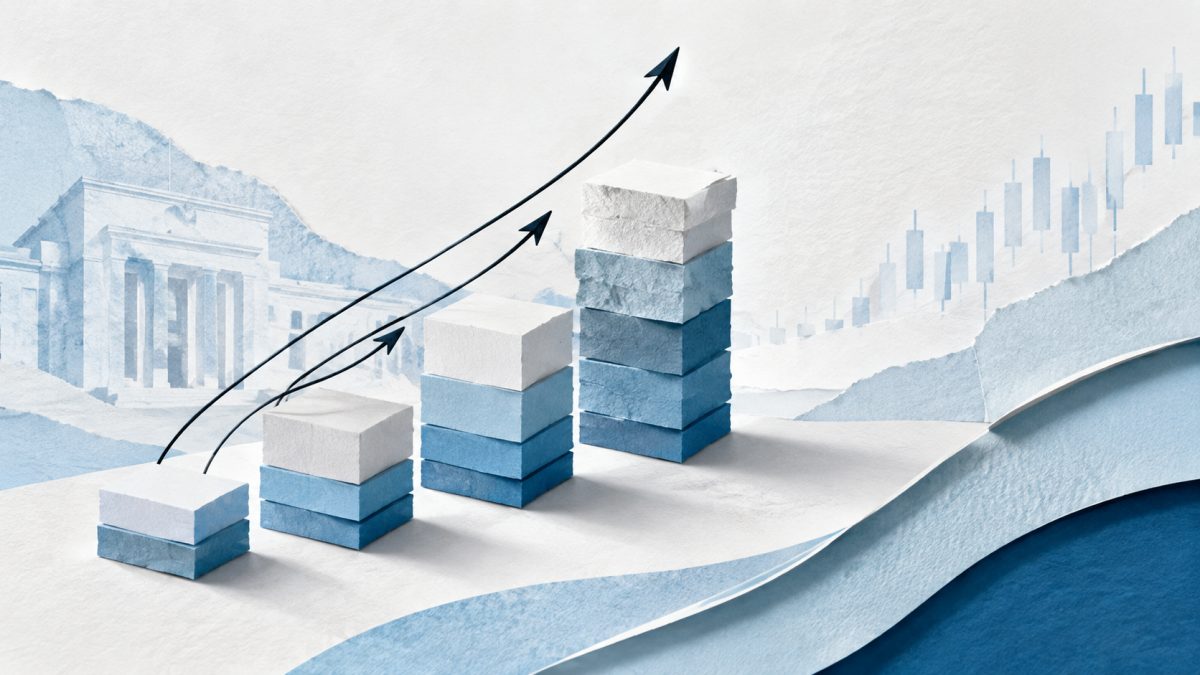
Warsh at the Fed: Why Bond Investors Should Brace for Volatility
TREE NEWS reports: The usually staid world of U.S. government debt has been jolted by news that Kevin Warsh is set to become the next Chair of the Federal Reserve. Known for his hawkish views and close ties to the previous administration, Warsh’s appointment signals a potential shift in monetary policy that could have profound implications for bond markets.
What Happened
President Trump has tapped Kevin Warsh, a former Fed governor and current fellow at Stanford University’s Hoover Institution, to lead the central bank. Warsh is widely seen as more hawkish than the current leadership, favoring tighter monetary policy and a more rules-based approach to setting interest rates. The announcement came as a surprise to many investors who had expected a more dovish candidate.
Market Impact Analysis
Bonds: The immediate reaction in the Treasury market was a sell-off, with yields on the 10-year note rising sharply. Investors fear that Warsh will accelerate the pace of interest rate hikes and reduce the Fed’s balance sheet more aggressively, leading to higher borrowing costs and potentially slowing economic growth. This could also steepen the yield curve as long-term inflation expectations rise.
Stocks: Equities, particularly growth and tech stocks, are likely to face headwinds as higher discount rates reduce the present value of future earnings. The S&P 500 and Nasdaq could see increased volatility, with sectors like utilities and real estate (which are sensitive to interest rates) underperforming.
Crypto: Cryptocurrencies, which have often been viewed as a hedge against inflation and fiat debasement, could benefit from a more hawkish Fed if it signals a loss of confidence in traditional monetary policy. However, risk-off sentiment in the broader market might initially weigh on digital assets.
Commodities: Gold, traditionally a safe haven, might see mixed reactions. A stronger dollar due to higher rates could pressure gold prices, but geopolitical and inflation concerns could provide support. Oil and industrial metals could be affected by a slowdown in economic activity.
Currencies: The U.S. dollar is likely to strengthen as higher interest rates attract foreign capital. This could put pressure on emerging market currencies and complicate trade balances.
Why It Matters for Investors
For investors, the key takeaway is that the era of ultra-loose monetary policy may be ending. Warsh’s leadership could mean a more predictable but tighter Fed, which would have a cascading effect on asset valuations. Bond investors should prepare for higher yields and increased volatility, while equity investors need to reassess their portfolios for a higher-for-longer rate environment. Diversification and duration management will be crucial.
- Bond investors: Consider shortening duration or using TIPS to hedge inflation.
- Equity investors: Focus on value and dividend-paying stocks over growth.
- Crypto investors: Watch for correlation with risk assets; a hawkish Fed might initially hurt but could boost long-term adoption.