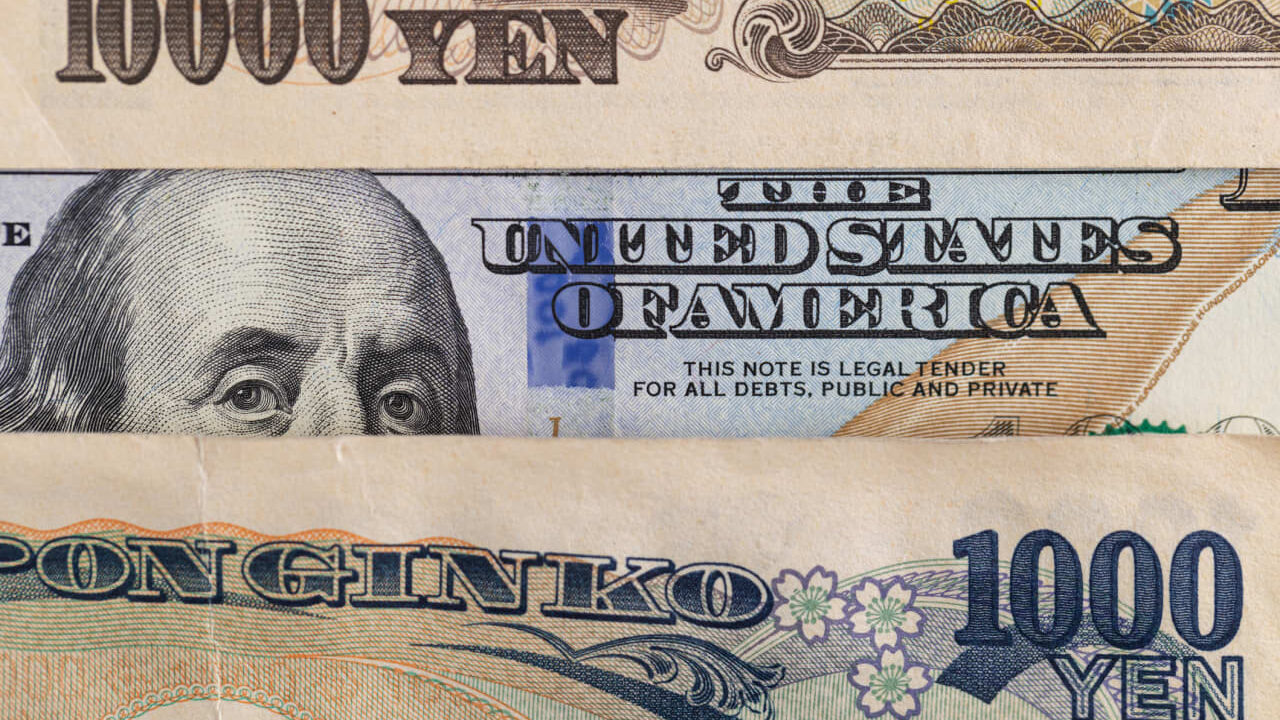
Yen’s Surge to Six-Month High: Carry Trade Unwind and Treasury Selloff Signal More Gains Ahead
TREE NEWS reports: The Japanese yen has climbed to its strongest level against the U.S. dollar in six months, driven by a confluence of forces including an unwinding of carry trades, a selldown in U.S. Treasury holdings, and supportive fundamental shifts. This move marks a significant inflection point for global markets, as the yen’s trajectory is closely watched by investors for its ripple effects across asset classes.
What Happened
The yen’s appreciation reflects a broader reassessment of Japanese monetary policy expectations and a shift in global capital flows. The Bank of Japan’s gradual normalization of its ultra-loose monetary stance has encouraged investors to unwind positions funded in yen, particularly those used to purchase higher-yielding foreign assets. Simultaneously, Japanese investors have been net sellers of U.S. Treasuries, reducing the traditional demand that had supported the dollar. These dynamics have combined with improved Japanese economic fundamentals, including stronger wage growth and inflation, to propel the yen higher.
Market Impact Analysis
Currencies: The dollar-yen pair is the most direct casualty, with the yen’s strength likely to persist if the BOJ continues to signal policy tightening. A stronger yen could pressure other currencies that have relied on yen-funded carry trades, potentially leading to volatility in emerging market currencies. Conversely, the dollar may find support from relative U.S. economic resilience, but the trend appears to favor the yen in the near term.
Bonds: The selldown in U.S. Treasuries by Japanese investors could exert upward pressure on long-term U.S. yields, as one of the largest foreign holders reduces its exposure. This could complicate the Federal Reserve’s efforts to manage inflation without triggering a sharp rise in borrowing costs. For JGBs, the BOJ’s normalization path implies higher yields, which may attract domestic investors back to yen-denominated assets, further supporting the currency.
Equities: Japanese equities, particularly exporters, face headwinds from a stronger yen, as it erodes overseas earnings when converted back. Conversely, U.S. multinationals with significant Japanese revenue could see a modest boost. Globally, the unwinding of carry trades may reduce risk appetite, potentially weighing on high-valuation tech stocks that have benefited from cheap yen funding.
Commodities: A stronger yen typically has a muted direct impact on commodities, but the associated risk-off sentiment could pressure industrial metals and energy prices. Gold, often a safe haven, might see increased demand if currency volatility persists.
Crypto: Cryptocurrencies, which have shown sensitivity to global liquidity conditions, could experience volatility as carry trade unwinding reduces the availability of cheap funding. Bitcoin and other digital assets may face downward pressure if risk appetite wanes, though their decentralized nature could attract investors seeking refuge from currency turmoil.
Why It Matters for Investors
The yen’s rally is not an isolated event; it signals a shift in global monetary dynamics. For investors, understanding the interplay between BOJ policy, U.S. Treasury demand, and carry trade flows is crucial. A sustained yen appreciation could alter the calculus for global portfolio allocation, favoring Japanese assets and currencies while posing challenges for dollar-denominated debt and risk assets. Monitoring BOJ communications and U.S. economic data will be key to navigating this evolving landscape.
Key Takeaways
- The yen’s rise to a six-month high reflects carry trade unwinding, Treasury sales, and better Japanese fundamentals.
- Further yen strength could pressure U.S. yields, weigh on Japanese exporters, and reduce global risk appetite.
- Investors should watch BOJ policy signals and U.S. economic indicators for clues on the yen’s next move.