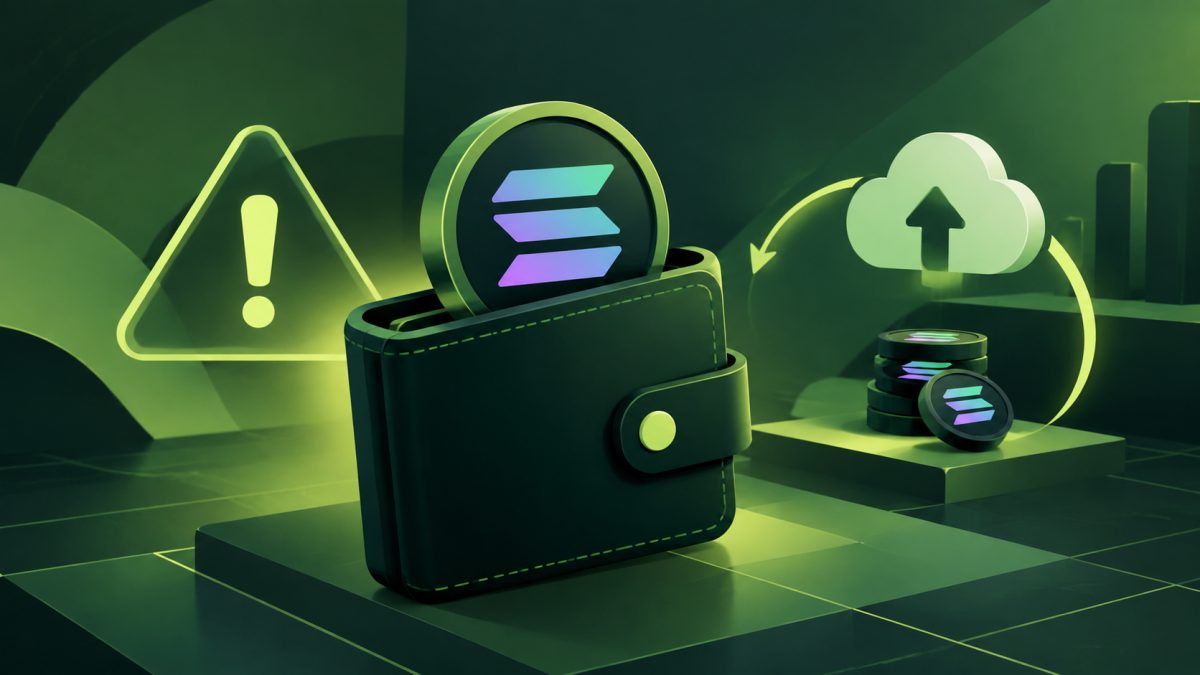
Solana Social Wallet Hey Wallet Ceases Operations
TREE NEWS reports: Hey Wallet, a Solana-based social wallet that launched in 2021, has announced it is shutting down its product operations. The team is urging users to visit the official website to back up their wallets, a critical step to avoid losing access to funds. Hey Wallet was known for enabling crypto asset interactions within social contexts, allowing users to transact via X (formerly Twitter) and other social platforms.
What Happened
The shutdown marks the end of a project that sought to merge social media with decentralized finance. Hey Wallet’s proposition was simple yet ambitious: let users send and receive crypto directly through social handles, reducing the friction of traditional wallet addresses. Despite early traction, the wallet struggled to sustain operations amid a challenging market environment for consumer crypto apps.
Industry Implications
The closure highlights the difficulties facing social crypto wallets, a niche that has seen numerous attempts but few lasting successes. Key challenges include:
- User acquisition and retention: While social features can drive initial sign-ups, converting casual users into active, habitual crypto users remains hard.
- Monetization: Many social wallets offer free transactions or low fees, making it difficult to generate sustainable revenue.
- Regulatory uncertainty: Social wallets often blur the line between custodial and non-custodial services, attracting regulatory scrutiny.
- Competition: Established wallets like Phantom and Solflare dominate the Solana ecosystem, leaving little room for niche players.
Hey Wallet’s fate mirrors that of other social crypto projects that failed to achieve product-market fit. The broader trend suggests that while social elements can enhance user experience, they are not sufficient on their own to build a viable business.
Forward-Looking Perspective
The shutdown serves as a reminder of the volatility inherent in the crypto startup landscape. For users, it underscores the importance of self-custody and regular backups. For builders, it signals that social crypto wallets must find a clearer path to monetization and differentiation. As the Solana ecosystem continues to evolve, future social wallet attempts may need to integrate deeper with DeFi protocols or offer unique incentives to gain traction.
Meanwhile, the migration of users to other wallets could further consolidate the Solana wallet market, benefiting established players. The incident also raises questions about the sustainability of venture-backed crypto consumer apps in a bear market. Only time will tell if social wallets can stage a comeback with more robust economic models.