Goldman Partner Flags Three Headwinds Capping US Stocks, Names Four Places to Deploy
TREE NEWS reports: US equities have stalled after a blistering second quarter in which the Nasdaq Composite surged 32% and the Philadelphia Semiconductor Index rocketed 87%. In his latest Weekly Mash note, Goldman Sachs partner Mark Wilson argues that three distinct forces are now pinning the market in place — and that only some of them will resolve themselves with time.
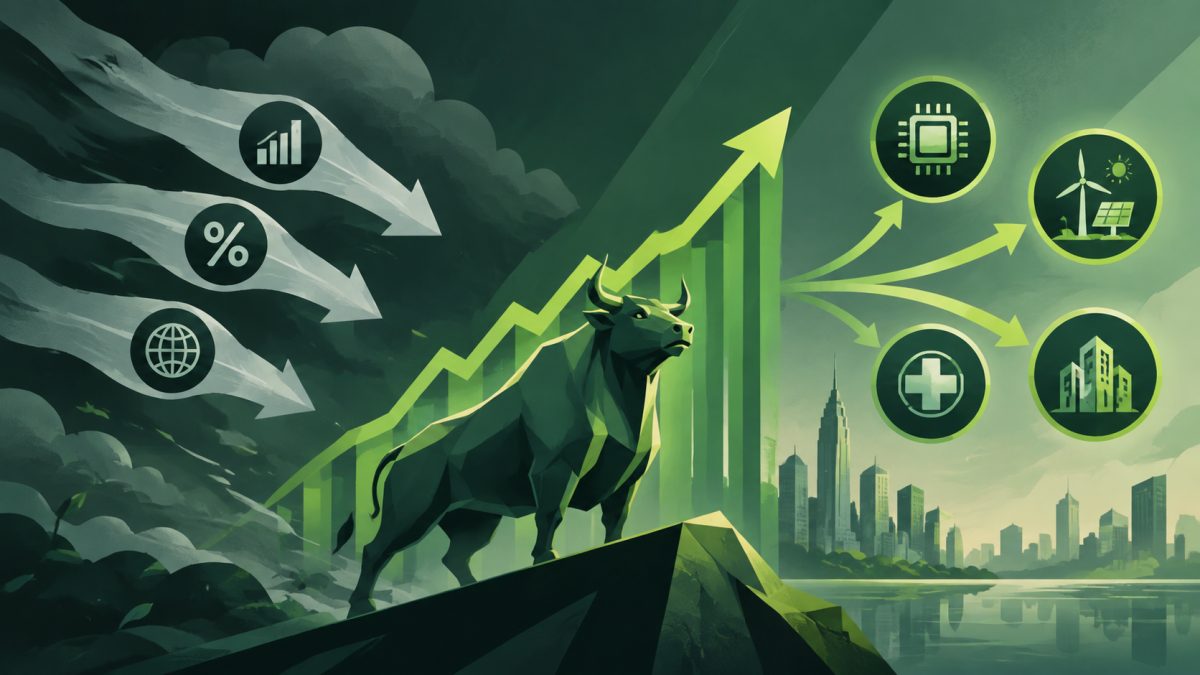
The Three Headwinds
1. The midterm election curse. Wilson cites data going back to 1974 showing that from early August through the midterm elections, the median return for US stocks is 0%. He concedes no one can be certain how much power the pattern actually holds, but his judgment is blunt: “The number is quoted often enough that the market is already trading on it.”
2. Smart money has de-risked — the machines have not. Hedge funds finished their summer de-risking, with overall exposure sitting at a middling level versus the past year and stock-picking funds running even lighter. That matters less for index direction, Wilson notes, because when hedge funds cut risk they tend to sell winners and losers alike. The real hazard lies elsewhere: trend-following and volatility-targeting strategies remain close to fully long. “These funds do not hedge themselves,” Wilson writes. “They only sell when prices fall.”
3. The energy–bond–equity vice. Wilson calls this “the most tightly interlinked core contradiction in the market today.” The chain is clean: geopolitics lifts oil and gas prices → higher energy prices lift bond yields → higher yields compress equity valuations. He calls it “the hardest problem in the book” and notes yields have already traveled a long way.
The latest twist: the US president has signaled the Iran file will extend past the midterms — which Wilson reads as “a precondition for all sides to begin negotiating like adults.” Oman and Gulf states are set to hold talks with Iran over passage through the Strait of Hormuz, and Goldman has again raised its oil and gas price forecasts. On natural gas, Wilson says the price level needed to force Asia to cut consumption and free up supply for Europe has essentially been reached, with prices breaking above their March highs — yet Europe still heads into winter with historically low inventories. Critically, he stresses that the first two headwinds will resolve with time or a price pullback, but the energy–yield knot “does not expire in November.”
Four Places to Deploy
- AI infrastructure. Wilson is uninterested in the AGI narrative and focused squarely on capex. He points to Oracle’s latest results, Microsoft’s plan to triple data-center capacity within six years, Nvidia’s raised market-size forecast, and SpaceX’s path toward $100bn in sales with orbital data centers planned for 2027. Nvidia trades at 10.3x 2028 earnings. His ideal entry: yields stop climbing, the calendar turns, and the market can look toward 2028.
- Commodities, especially copper. Amid high nominal growth, deteriorating fiscal outlooks, debasement worries and commodity-driven inflation, Wilson is “surprised” by the lack of attention. “I have little interest in energy, but enormous conviction in metals,” he writes, singling out copper: the metal has performed well, yet related equities have not re-rated despite scarce growth capex and tightening supply. “Commentators are writing long essays on a dollar collapse,” he says. “The copper pit is the real trade.”
- German equities. The stereotype — rotting factories, autos and chemicals eaten by China — does not match the index: autos and chemicals are just 5% and 7% of the DAX, and domestic Germany accounts for only 20% of index sales. With large-scale fiscal stimulus underway, Goldman forecasts 17% German earnings growth in 2027, and the DAX has rotated toward defense, electrification, AI and tech — at just 15x earnings. The catalyst: “The biggest sellers of German stocks are German savers, and pension reform is about to turn them into buyers.”
- Large banks. Wilson flags Goldman’s Richard Ramsden as must-read: capital-markets fee income fell about 1% a year from 2010 to 2019 but has compounded at 11% a year from 2019 to 2026. Stripping out the AI-related peak, Ramsden still models 4% annual growth and calls it sustainable. AI-related financing demand may pull business back from boutiques to balance-sheet banks. “Fifteen years of heavy regulation is receding — unless Democrats sweep in November.”
Key Takeaways
Two of the three headwinds are self-correcting; the energy–yield linkage is not. Investors should watch bond yields as the single most important trigger for any renewed equity leg higher, treat trend-following positioning as a source of downside air pockets, and consider copper equities, German stocks and large banks as diversifiers away from crowded US mega-cap AI exposure.