Clarity Act Faces Critical Procedural Test
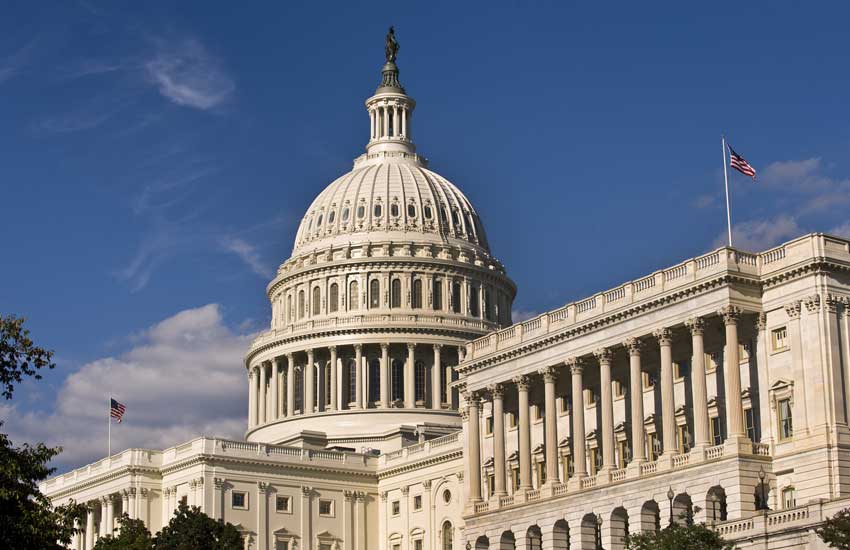
TREE NEWS reports: The Clarity Act is set to face a cloture vote this afternoon, a procedural hurdle requiring 60 votes to advance. With Republicans holding a narrow majority, at least seven Democratic or independent votes will be needed to break the filibuster and move the bill forward. The vote marks a pivotal moment for the most comprehensive crypto market structure legislation to reach this stage in the United States.
Last-Minute Changes Target Two Flashpoints
Ahead of the vote, negotiators revised provisions on stablecoin interest and ethics. The stablecoin interest language addresses whether issuers can share yield with holders — a question that has divided the banking lobby, crypto firms, and consumer advocates. Banks argue that yield-bearing stablecoins resemble deposits and should be regulated as such, while crypto-native issuers contend that banning yield would push activity offshore and stifle innovation.
The ethics provisions, meanwhile, appear aimed at preventing conflicts of interest among officials with digital asset holdings or affiliations. The exact scope remains fluid, but the changes signal that lawmakers are sensitive to public perception as the bill advances.
Industry Implications
- Stablecoin economics: If yield sharing is permitted with guardrails, it could reshape the competitive landscape for issuers such as Circle and Tether, and accelerate tokenized treasury products.
- Institutional adoption: A clear market structure framework would give banks, asset managers, and payment firms the legal certainty they have cited as a precondition for scaling tokenization and on-chain settlement.
- Global competitiveness: The European Union’s MiCA and Singapore’s licensing regime have already set benchmarks. A U.S. framework would influence how cross-border stablecoin flows and tokenized assets are treated.
What to Watch
The cloture vote is not the final step. If it succeeds, amendments and a final passage vote will follow, and the bill would then move to the House, where its fate is less certain. Market participants should watch three things: whether the stablecoin interest compromise survives floor debate, how ethics language is enforced, and whether the final text preserves the tokenization-friendly provisions that have drawn interest from traditional finance.
For the RWA sector, the most consequential outcome is not any single clause but the signal that U.S. law can accommodate tokenized real-world assets at scale. A successful vote would strengthen that signal; a failed one would extend the wait — and likely push more issuance and innovation to friendlier jurisdictions.



