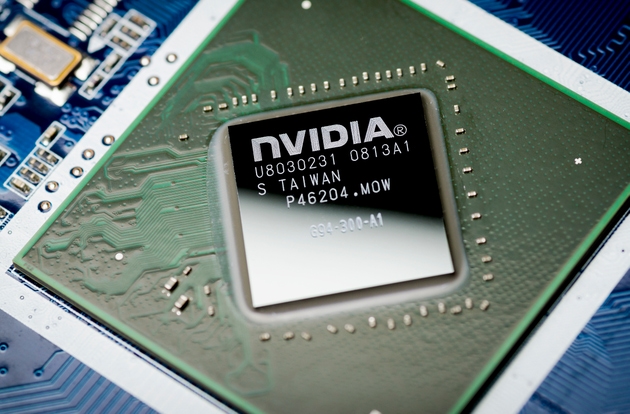
Nvidia to Double AI Chip Volume Next Year, CEO Says
TREE NEWS reports: Nvidia CEO Jensen Huang announced that the company expects to double its chip volume next year, citing robust demand for artificial intelligence accelerators. The declaration, made during a public appearance, underscores the relentless pace of AI infrastructure buildout across cloud providers, enterprises, and sovereign nations. Huang’s comments come as Nvidia remains the primary supplier of GPUs used to train and deploy large language models and other AI workloads.
Market Implications
The news carries significant weight for equity markets, particularly in the technology sector. Nvidia’s guidance often serves as a bellwether for the broader AI trade, influencing not only its own stock but also suppliers, customers, and competitors. A doubling of volume suggests that demand is not merely sustained but accelerating, which could drive revenue growth well beyond current consensus estimates.
- Stocks: Nvidia shares may see upward pressure as investors price in higher future earnings. The broader semiconductor index, including companies like AMD, TSMC, and ASML, could benefit from spillover optimism. However, any hint of supply chain constraints or margin compression could temper gains.
- Bonds: The news reinforces the narrative of a capital expenditure boom in AI, which could keep interest rates elevated if it contributes to economic growth and inflation. Treasury yields might edge higher, particularly if the Federal Reserve interprets strong corporate investment as a reason to maintain a hawkish stance.
- Crypto: AI-related tokens and decentralized compute networks may attract speculative interest. Projects focused on GPU rendering, machine learning, and decentralized physical infrastructure networks (DePIN) could see increased trading activity. Bitcoin and Ethereum, while not directly linked, often move with broader risk sentiment.
- Commodities: Increased chip production requires raw materials such as silicon, copper, and rare earth elements. Mining and metals stocks could benefit. Energy demand from data centers is also likely to rise, supporting natural gas and uranium prices.
- Currencies: The U.S. dollar may find support if the AI boom continues to drive foreign investment into American tech companies. Conversely, currencies of countries with significant semiconductor supply chains, like Taiwan and South Korea, could strengthen on export optimism.
Why This Matters for Investors
Huang’s statement is more than a single company’s forecast; it is a signal about the trajectory of the AI revolution. For investors, it highlights several key themes:
- AI infrastructure remains a growth engine: The demand for compute shows no signs of slowing, making chipmakers and their suppliers attractive long-term holdings.
- Ecosystem effects: Nvidia’s success lifts a wide range of companies, from cloud service providers to data center REITs and power utilities.
- Risk of concentration: Portfolios heavily weighted toward AI leaders may be vulnerable to any slowdown in demand or regulatory scrutiny.
- Global competition: Increased volume may intensify competition from AMD, Intel, and custom silicon from hyperscalers, potentially pressuring Nvidia’s market share over time.
Investors should monitor upcoming earnings reports and supply chain updates for confirmation of Huang’s outlook. The AI trade remains powerful, but valuations are stretched, and any deviation from expected growth could trigger volatility.
Key Takeaways
- Nvidia expects to double chip volume next year, signaling robust AI demand.
- Semiconductor and AI-related stocks could rally, but supply chain and competition risks persist.
- Bond yields may rise if AI-driven capex fuels inflation.
- Crypto AI tokens and DePIN projects may see speculative inflows.
- Commodities like copper and rare earths could benefit from increased production.
- The dollar may strengthen on continued U.S. tech leadership.