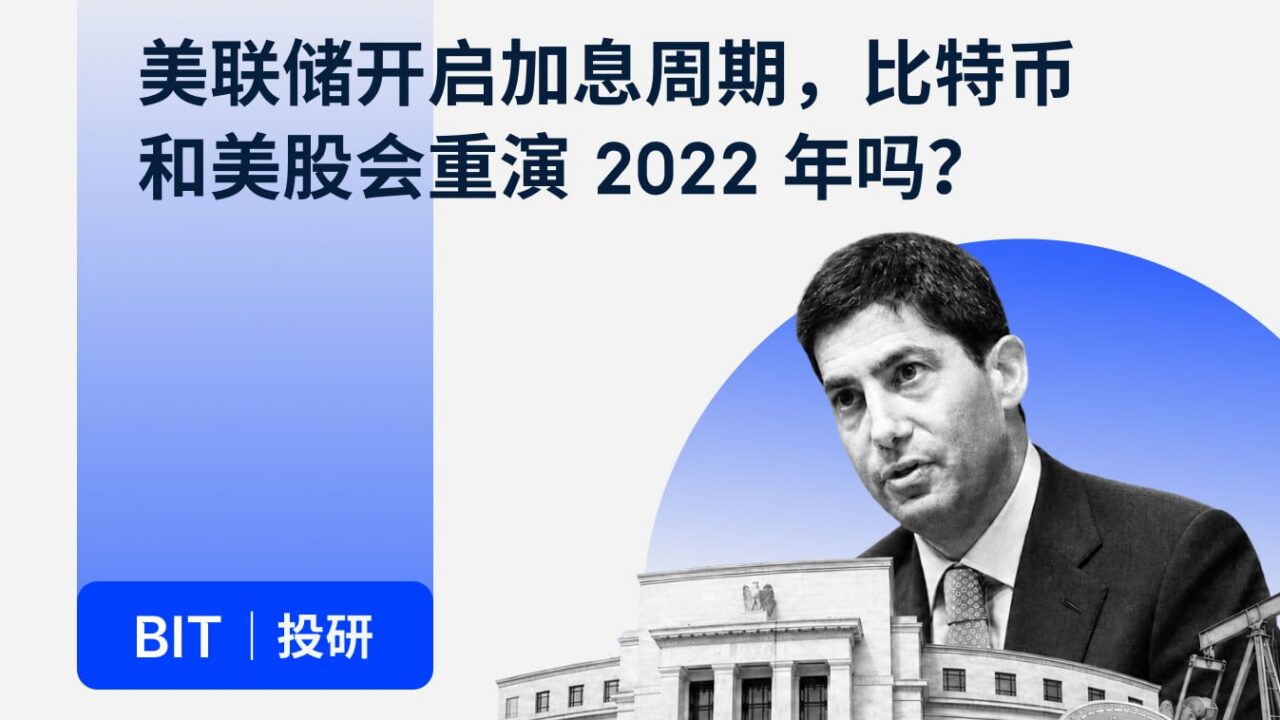
Fed Rate Hikes Return: Will Bitcoin and US Stocks Repeat 2022’s Brutal Selloff?
As the Federal Reserve kicks off a new interest rate hiking cycle, investors are asking whether risk assets — from Bitcoin to the Nasdaq — are set for a repeat of 2022’s punishing drawdown. But the composition of today’s inflation looks materially different, and that could mean a very different market path.
Why 2022 Was So Painful
In 2022, the Fed launched the fastest tightening cycle in four decades, raising rates from near zero to 5.25%–5.50% in under 18 months. The shock hit every duration-sensitive asset: Bitcoin fell more than 60% from its all-time high, the Nasdaq Composite dropped roughly 33%, and crypto lending giants like Celsius and Three Arrows Capital collapsed under the weight of leveraged bets.
The key driver then was broad-based inflation — supply chain chaos, excess fiscal stimulus, and soaring services costs — which forced the Fed into aggressive, front-loaded hikes.
This Cycle Is Different
Today’s inflation is more concentrated in energy and commodity prices, with core services inflation showing signs of cooling. That distinction matters enormously for markets:
- Energy-driven inflation is more volatile but less persistent — central banks typically look through supply shocks unless they feed into wages.
- Real yields are already elevated, meaning the Fed may not need to hike as aggressively to achieve the same restrictive effect.
- Crypto market structure has matured — spot ETFs, institutional custody, and lower leverage reduce the probability of a 2022-style cascade.
Implications for Bitcoin and Equities
Bitcoin has increasingly traded as a high-beta liquidity asset, correlating with the Nasdaq during risk-off episodes. If the Fed signals a shallow hiking path, Bitcoin could face an initial drawdown but recover faster than in 2022, when the tightening was open-ended.
Equities face a more nuanced picture. Tech companies with strong balance sheets and AI-driven revenue growth may prove more resilient than the unprofitable growth names that led the 2022 decline. Value and energy sectors could benefit if inflation remains commodity-led.
What to Watch
Investors should monitor three signals: the Fed’s dot plot for the pace of future hikes, core PCE prints to gauge whether inflation is broadening, and crypto funding rates to assess leverage buildup. A measured hiking cycle may create buying opportunities rather than a repeat of 2022’s rout — but only if inflation stays contained to the energy complex.
The lesson from 2022 is not that rate hikes always crush risk assets, but that unexpected tightening does. If this cycle is well telegraphed and inflation remains narrow, Bitcoin and equities could chart a far less painful path.