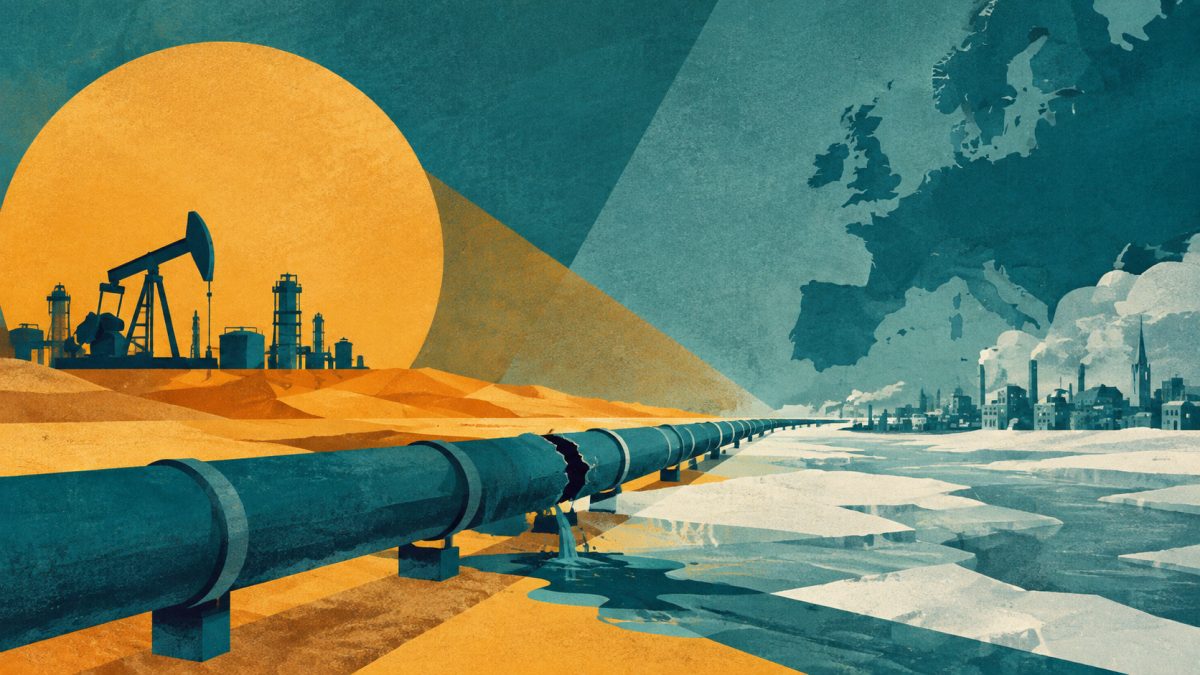
Saudi Aramco Suspends Crude Shipments to European Refiners
TREE NEWS reports: Saudi Aramco has notified at least two European refiners that they will receive no crude oil deliveries next month, with the suspension reportedly extending to all European buyers. The move sent oil prices sharply higher, with West Texas Intermediate crude surging $0.69 to $96.16 per barrel within five minutes of the news, reversing an earlier decline of more than 2%.
The supply disruption stems from damage to Saudi Arabia’s East-West pipeline, which was forced offline earlier this month following a drone attack. The pipeline, which connects Saudi Arabia’s eastern oil-producing region to Red Sea export terminals, has a capacity of 7 million barrels per day and serves as a critical alternative route bypassing the Strait of Hormuz.
Pipeline Damage and Hormuz Disruption Create Dual Supply Shock
Expectations that the pipeline could restore approximately half its capacity within days have largely evaporated. Meanwhile, shipping through the Strait of Hormuz remains nearly paralyzed amid ongoing US-Iran tensions. Saudi Arabia had previously increased utilization of the East-West pipeline to reduce dependence on the Strait, but the drone attack has eliminated that buffer.
For Europe, the supply interruption means refiners must turn to international markets for alternative crude sources. With diesel and natural gas supplies already tight, this pivot could further inflate raw material procurement costs. OECD Europe imported an average of 577,000 barrels per day of Saudi crude in June, and a sustained supply gap would complicate efforts to build inventories and secure cargoes ahead of winter.
European Buyers Scramble for Alternatives as Market Pricing Becomes Difficult
Polish state oil company Orlen has issued more than ten tenders this week seeking to cover the shortfall in contracted Saudi crude. A concentrated rush by European buyers into international markets could push spot prices even higher and increase refiners’ feedstock cost pressures.
The situation is further complicated by the difficulty of modeling when supply disruptions might end. Natasha Kaneva, head of commodities research at JPMorgan, noted in a client report Thursday that the bank has “no baseline forecast view” for the first time since the Middle East conflict began, because “we simply don’t know how to model the endgame.”
US diesel crack spreads currently stand at approximately $112, and Mike McGlone, senior commodity strategist at Bloomberg Intelligence, has warned that tightening global refining markets have raised fears of a repeat of the 2008 gasoline shock.
Market Implications: Oil, Inflation, and Central Bank Policy
The supply disruption carries significant implications across asset classes:
- Oil: Brent crude briefly breached $100 per barrel. The trajectory from here depends on three variables: pipeline repair progress, Strait of Hormuz shipping conditions, and the availability of alternative crude supplies for Europe.
- Equities: European refiners face margin compression as feedstock costs rise. Energy sector stocks may benefit from higher crude prices, but broader market sentiment could suffer if oil-driven inflation persists.
- Bonds: Sustained energy price increases complicate the inflation outlook, potentially delaying expected central bank rate cuts and pressuring bond prices.
- Currencies: The euro may face downward pressure as Europe’s energy import bill rises, while oil-exporting nations’ currencies could strengthen.
- Commodities: Diesel and natural gas markets remain particularly vulnerable, with winter demand approaching.
Key Takeaways for Investors
- Energy supply risk is re-emerging as a dominant macro theme, with potential spillover effects on inflation and monetary policy.
- European refiners and energy-intensive industries face margin pressure; investors should monitor exposure to European industrial and utility sectors.
- The lack of a clear timeline for supply restoration means volatility in energy markets is likely to persist, creating both risks and opportunities for commodity traders.
- Watch for policy responses from European governments, including potential strategic reserve releases or demand management measures.
- Currency markets may offer cleaner expressions of the energy shock than equities, particularly EUR/USD and commodity-linked currencies.