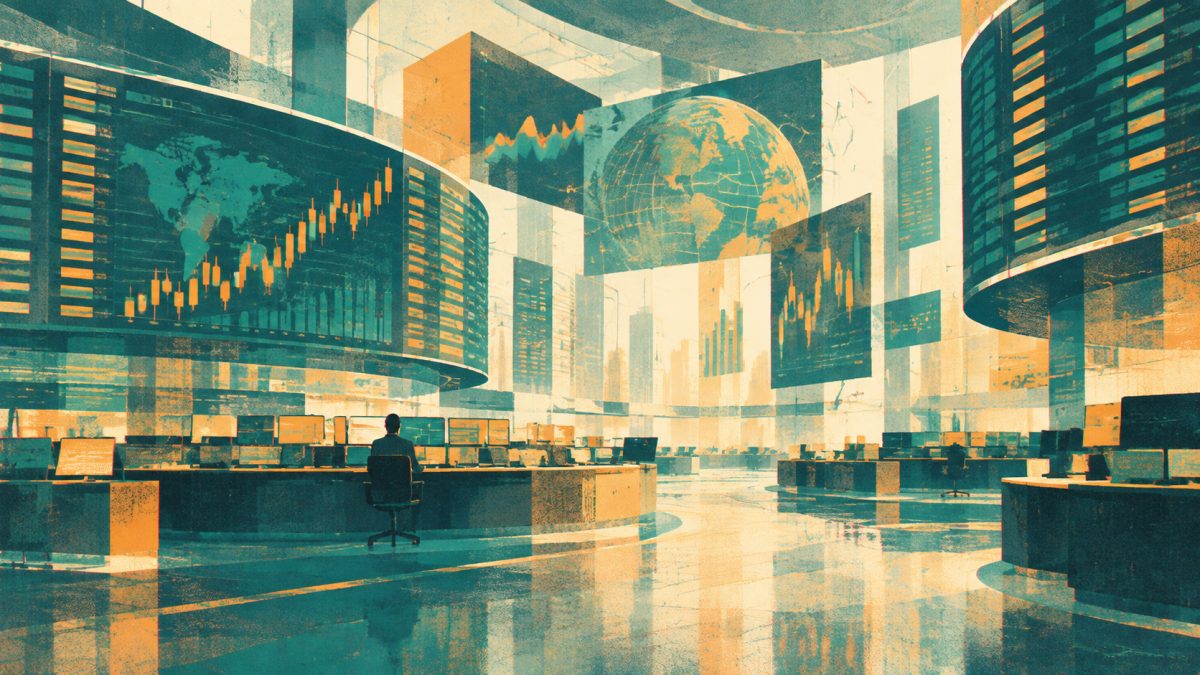
OKX Director: Financial Markets Accelerating Toward Tokenization and 24/7 Trading
TREE NEWS reports: At the Bitcoin Asia 2026 roundtable on ‘The Rise of Financial Super Apps,’ OKX Director Lennix highlighted a pivotal shift in the financial landscape: products are converging into unified account systems where users can trade and manage diverse asset classes—from crypto to tokenized stocks—under a single margin and risk framework.
News Summary
Lennix emphasized that the future of finance lies in seamless integration. Users increasingly expect to deploy the same capital, within the same account, using the same collateral and risk controls, to access both traditional and digital assets. This vision aligns with the broader trend of asset tokenization, where real-world assets (RWAs) are brought on-chain, enabling fractional ownership, increased liquidity, and 24/7 trading.
Industry Analysis
The comments underscore a critical inflection point. Traditional finance (TradFi) and decentralized finance (DeFi) are no longer parallel tracks—they are merging. The rise of financial super apps, which combine banking, brokerage, and crypto services, is a direct response to user demand for convenience and capital efficiency. By unifying accounts, platforms can reduce friction, lower costs, and offer more sophisticated cross-margining strategies.
Tokenization is the linchpin. Stocks, bonds, real estate, and commodities are being converted into blockchain-based tokens, making them programmable and accessible 24/7. This not only democratizes access to previously illiquid assets but also enables new forms of collateralization and automated compliance. For exchanges like OKX, this means building infrastructure that supports both spot crypto and tokenized RWAs, with robust risk engines capable of handling cross-asset margin.
Forward-Looking Perspective
We are likely to see accelerated regulatory clarity around tokenized securities, as jurisdictions compete to attract innovation. The next wave of growth will come from interoperability—seamless movement of assets between traditional clearing systems and blockchain networks. Platforms that can offer a truly unified experience, while maintaining security and compliance, will lead the market. The shift to 24/7 trading will also pressure traditional exchanges to adapt or risk obsolescence.