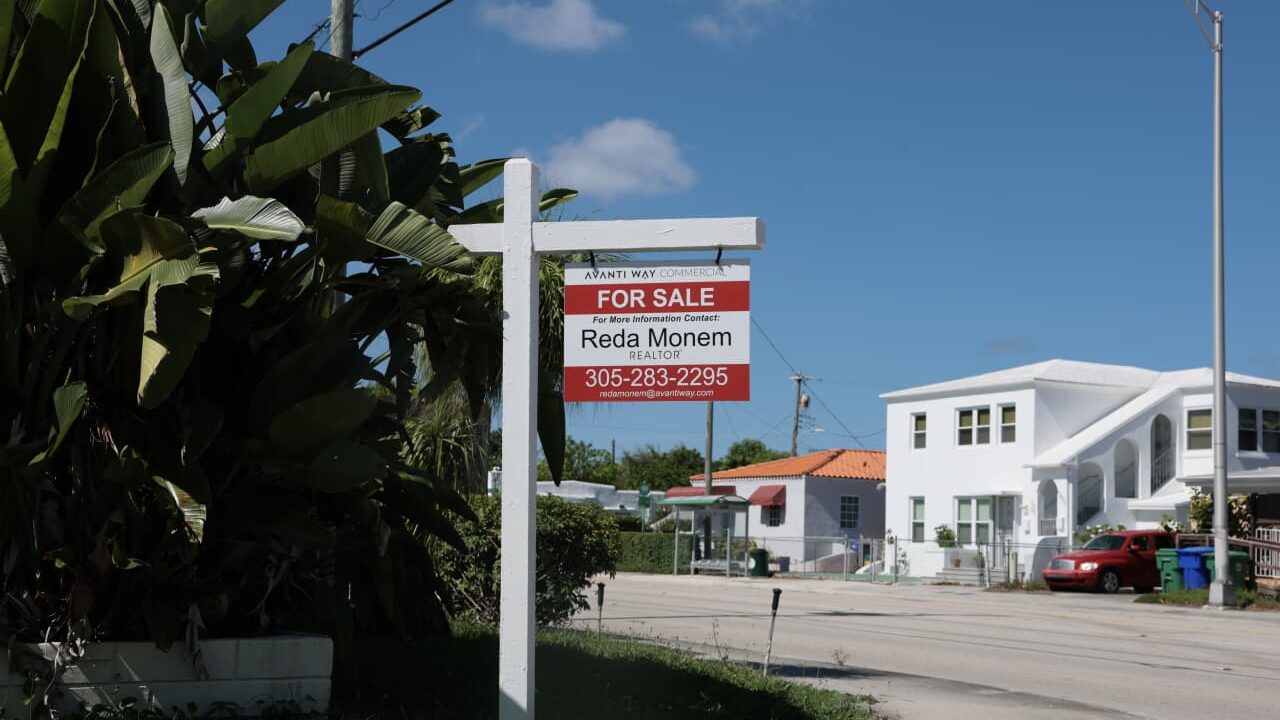
US Home Sales Plunge to 16-Year Low as 7% Mortgage Rates Freeze the Market
TREE NEWS reports: October home sales in the United States fell to their lowest level since the Great Recession, as buyers retreated from the housing market under the weight of mortgage rates that have climbed above 7%. The sharp decline underscores how elevated borrowing costs are freezing activity in the nation’s largest asset class and raising fresh questions about the resilience of the consumer-led economy.
The drop marks a 16-year low for existing-home sales, and extends a slump that began when the Federal Reserve started aggressively raising interest rates in 2022. With the central bank’s benchmark rate held at a two-decade high, the average 30-year fixed mortgage rate has remained stubbornly above 7%, pricing out first-time buyers and discouraging existing homeowners from selling and giving up ultra-low pandemic-era mortgages.
What Happened
Sales of previously owned homes fell sharply in October, hitting the weakest pace since the depths of the 2008 financial crisis. The collapse in demand reflects a toxic combination of high prices, scarce inventory, and financing costs that have roughly doubled from their pandemic lows. Sellers who locked in 3% mortgages are staying put, creating a ‘lock-in effect’ that has squeezed supply and kept prices elevated even as transaction volumes evaporate.
Market Implications
The housing market is a critical transmission channel for monetary policy, and the October data suggest the Fed’s tightening campaign is biting harder than headline GDP figures imply. Here’s how the news could ripple across asset classes:
- Stocks: Homebuilders and related sectors — lumber, appliances, home improvement retailers — face earnings pressure as volumes shrink. Regional banks with heavy mortgage exposure could see credit concerns resurface, though a sharp slowdown in housing may also reinforce hopes that the Fed is done hiking, which could support rate-sensitive growth stocks.
- Bonds: Weak housing data typically bolster Treasuries by reinforcing the case for peak rates. If investors interpret the slump as a sign of broader economic cooling, yields could fall, benefiting long-duration bonds. However, sticky inflation could limit the downside in yields.
- Crypto: Digital assets have shown limited direct sensitivity to housing data, but a broader risk-off tone driven by economic weakness could pressure speculative assets. Conversely, any dovish pivot signaled by soft data could boost liquidity-sensitive tokens.
- Commodities: Copper, lumber, and other housing-linked industrial commodities face demand headwinds. A weaker housing market also weighs on energy demand expectations, though supply-side factors remain dominant.
- Currencies: The dollar could soften if the data reinforce expectations of Fed rate cuts in 2024, particularly against currencies of trading partners with more hawkish central banks.
Why It Matters for Investors
The housing freeze is more than a real estate story — it is a signal about the durability of US consumer spending, which has powered the economy through a period of rapid rate increases. A prolonged housing downturn could erode household wealth, dampen consumer confidence, and slow GDP growth. For investors, the key question is whether the Fed interprets the housing weakness as evidence that policy is sufficiently restrictive, or as a warning that it has already done too much.
Portfolio positioning should account for the possibility that rate volatility persists. Investors may want to monitor homebuilder earnings, regional bank credit quality, and the trajectory of mortgage applications for early signs of stabilization. In the near term, the data favor defensive sectors and high-quality bonds, while caution is warranted on consumer discretionary names tied to housing.