Michael Burry Doubles Down on Nasdaq Short, Warns AI Rally Is a ‘Bull Trap’ After Nvidia CEO Departure
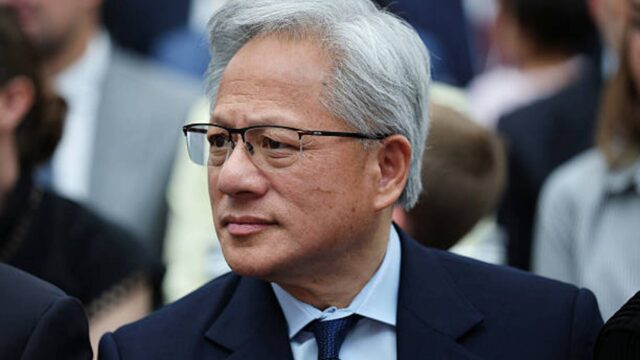
TREE NEWS reports: Famed investor Michael Burry has significantly increased his bearish bets on technology stocks, warning that the AI-driven rally is a “bull trap” reminiscent of the dot-com bubble peak. His move comes as news of Nvidia CEO Jensen Huang’s departure rattles the tech sector, adding fuel to concerns about the sustainability of the AI boom.
In a post on his Substack, Burry revealed that he doubled his put option position on the Nasdaq 100 index on November 12, capitalizing on a rebound that pushed the index to 27,000 points. The options, set to expire in early 2027, are currently about 20% out of the money, implying a substantial decline from current levels. He also re-established a bearish position in the VanEck Semiconductor ETF (SMH) through put options, a bet he had previously closed.
Comparing to the Dot-Com Bubble
Burry likened the Nasdaq 100’s October 6 high to the peak of the internet bubble in March 2000, using the phrase “Behold the bull-trap” to suggest the market has already topped out. He argues that, just as in 2000, tech valuations have become detached from fundamentals, setting the stage for a prolonged downturn.
“The combination has experienced violent swings over the past month,” Burry wrote, referring to Nvidia, TSMC, and AI-focused cloud providers CoreWeave and Nebius. “They all benefited deeply from Nvidia’s market dominance and resource spillover, and all of that seems to be entering a new paradigm. What I’m looking for are market signals that Nvidia’s influence is waning significantly.”
Jensen Huang’s Departure as a Catalyst
The sudden resignation of Nvidia’s CEO Jensen Huang has become a central catalyst for Burry’s bearish thesis. He directly advised investors to “get out,” warning that the leadership change will negatively impact Nvidia’s margins and growth prospects, with ripple effects across the entire AI supply chain.
Burry’s “victim list” includes companies deeply tied to Nvidia, such as CoreWeave and Nebius—both major customers of Nvidia GPUs—and Taiwan Semiconductor Manufacturing Company (TSMC), which produces Nvidia’s high-end chips. He believes these firms are particularly vulnerable to a slowdown in Nvidia’s momentum.
Shift to ETF Shorts
Burry’s strategy has evolved from targeting individual stocks like Nvidia and Palantir to a broader index-level approach, primarily through put options on the VanEck Semiconductor ETF. This shift makes his bet more macro, reflecting a systemic view that semiconductor valuations are inflated and due for a correction by mid-2027.
With Nvidia and TSMC being the ETF’s largest holdings, the uncertainty surrounding Nvidia’s leadership directly reinforces Burry’s conviction. He maintains that chip stocks are overvalued and will face a significant reckoning.
Market Implications
Burry’s high-profile bearish stance could exacerbate volatility in tech stocks, particularly in the semiconductor sector. If other investors follow suit, it may lead to increased selling pressure on AI-related names. The options market may also see heightened activity as traders position for a potential downturn.
However, timing is crucial. Burry’s puts expire in 2027, giving him a long horizon. In the near term, the market may continue to be driven by AI optimism, especially if Nvidia’s transition is smooth and the company maintains its growth trajectory.
Key Takeaways for Investors
- Contrarian Signal: Burry’s bearish bet is a stark reminder of the risks in the AI trade. Investors should assess their exposure to high-valuation tech stocks and consider hedging strategies.
- Leadership Risk: The departure of a key figure like Jensen Huang introduces uncertainty. Monitor Nvidia’s succession plan and its impact on the broader AI ecosystem.
- Valuation Concerns: While AI has transformative potential, current valuations may be pricing in perfection. A diversified portfolio and disciplined risk management are essential.
- Long-Term Perspective: Burry’s 2027 expiry suggests a medium-term bearish view. Short-term traders should be cautious, but long-term investors may use volatility as an opportunity to accumulate quality names at better prices.
As the AI narrative evolves, the market will closely watch Nvidia’s next moves and whether Burry’s “bull trap” warning proves prescient.