What Happened
TREE NEWS reports: A recent MarketWatch article detailed a dispute between twins who inherited houses from their parents. One sibling is shouldering the costs of taxes and upkeep while the other benefits without contributing. The frustrated twin asks, ‘Can I make him pay his share?’ This personal finance story, while not directly about crypto, highlights a fundamental problem in real-world asset (RWA) ownership: the inefficiency of shared ownership, lack of transparent cost allocation, and the difficulty of enforcing financial obligations among co-owners.
Market Impact Analysis
Real World Asset (RWA) Tokenization
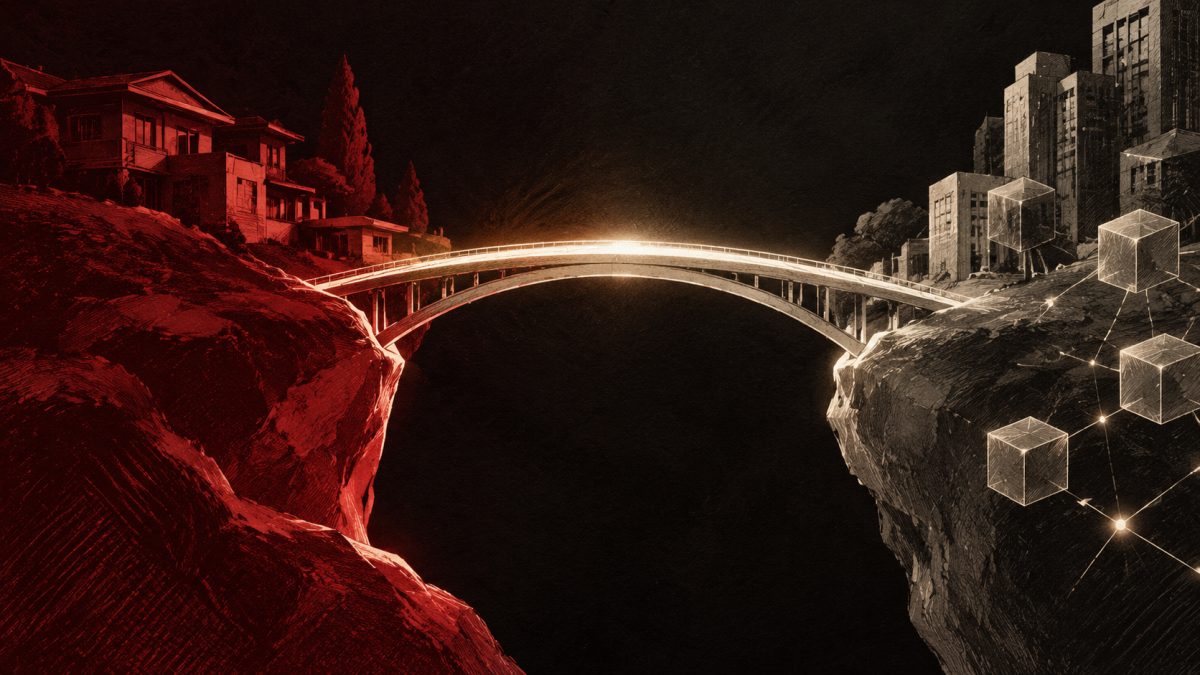
This dispute underscores the potential for RWA tokenization to solve such problems. By tokenizing real estate on a blockchain, ownership can be represented as divisible, transferable tokens with smart contract-enforced rules for cost sharing. For instance, a smart contract could automatically collect property tax and maintenance fees from each token holder, eliminating the need for one party to front the costs and then seek reimbursement. This case is a prime example of why RWA tokenization is gaining traction: it offers a transparent, automated, and fair mechanism for managing shared assets.
Stocks and Bonds
While this specific story is not about public markets, the broader trend of RWA tokenization could impact real estate investment trusts (REITs) and asset management firms. Companies that adopt tokenization may see increased efficiency and investor appeal. Conversely, traditional property management firms that fail to innovate may face competitive pressure. The bond market could also see growth in tokenized debt instruments backed by real estate, offering new yield opportunities.
Crypto and DeFi
The story indirectly supports the narrative for crypto and DeFi adoption. Platforms that specialize in tokenized real estate, such as RealT or Backed, could see increased interest from investors seeking fractional ownership with clear governance. DeFi protocols that offer lending against tokenized real estate could expand their collateral base, providing liquidity to property owners. This case highlights the pain point that DeFi can address: automating revenue and cost sharing without intermediaries.
Commodities and Currencies
There is minimal direct impact on commodities or currencies. However, if RWA tokenization becomes widespread, it could lead to a more efficient allocation of capital in real estate, potentially influencing property prices and, by extension, construction demand for commodities like steel and lumber. In terms of currencies, increased tokenization might boost demand for stablecoins used in transactions, but this is a long-term, indirect effect.
Why It Matters for Investors
This story is a microcosm of a larger shift toward digitizing real-world assets. For investors, it signals opportunities in:
- RWA platforms: Companies that tokenize real estate, art, or other assets are positioned to disrupt traditional ownership models.
- Smart contract infrastructure: Protocols that enable automated governance and cost sharing will be essential.
- Legal and regulatory evolution: As disputes like this arise, there will be a push for clearer legal recognition of tokenized ownership, creating a need for compliant solutions.
Investors should watch for regulatory developments that clarify the status of tokenized assets, as these will determine the speed of adoption. The frustration of the twin brother in this story is a relatable pain point that could drive mainstream acceptance of RWA tokenization, making it a compelling thematic investment.
Key Takeaways
- RWA tokenization can solve real-world co-ownership problems, making it a viable investment theme.
- Expect increased interest in platforms that offer fractional real estate ownership with automated cost management.
- Traditional real estate investment may see disruption from blockchain-based alternatives, creating both risks and opportunities.