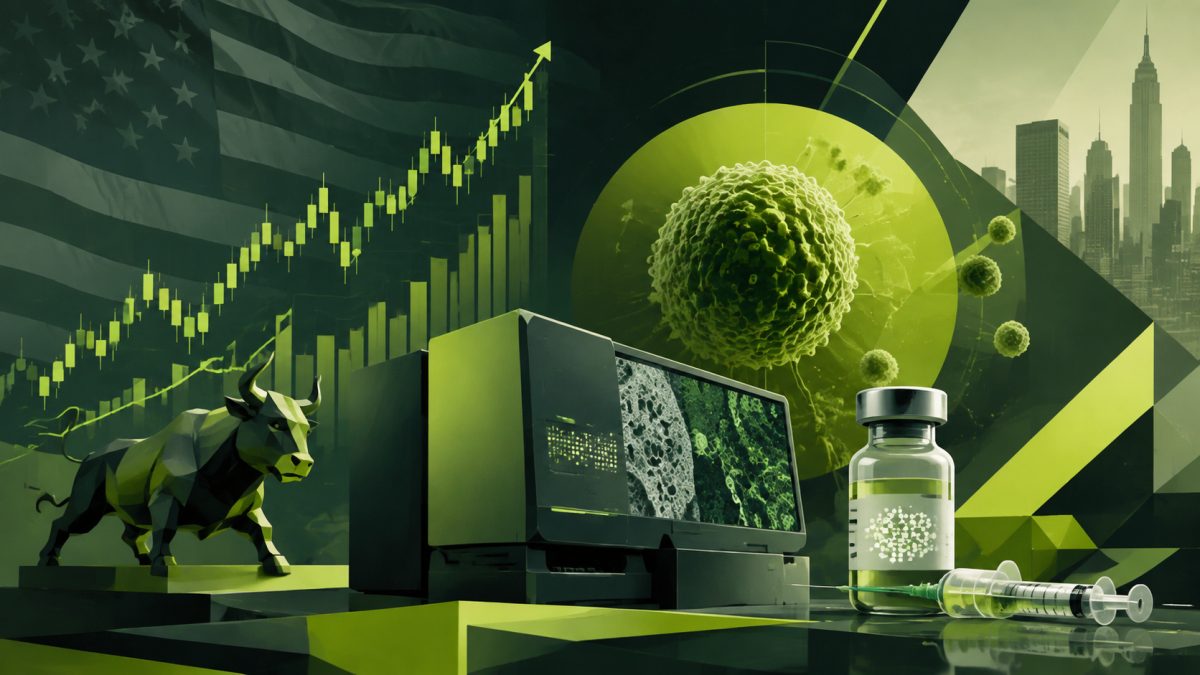
Tempus AI: The $600 Million Cancer Diagnostics Bet Riding the Personalized Vaccine Wave
TREE NEWS reports: Tempus AI (NASDAQ: TEM), a precision medicine company leveraging artificial intelligence to analyze clinical and molecular data, is emerging as a key investment opportunity in the fight against cancer. The company stands to gain up to $600 million in revenue as personalized cancer vaccines move from experimental to mainstream. The catalyst: tumor sequencing, a diagnostic step that Tempus dominates.
News Summary
The analyst’s optimism centers on the growing demand for tumor sequencing data, which is essential for developing and administering personalized cancer vaccines. While pharma giants like Moderna and Merck have captured headlines with their mRNA-based cancer vaccine partnerships, Tempus AI’s role as a data and diagnostics provider is often overlooked. The company’s proprietary database, which includes genomic, transcriptomic, and clinical outcomes data, positions it as a critical infrastructure player in the personalized oncology ecosystem.
Industry Analysis
Personalized cancer vaccines work by training the immune system to recognize neoantigens—unique mutations present on a patient’s tumor. Identifying these requires comprehensive tumor sequencing, a process that generates massive amounts of data. Tempus AI’s platform is designed to handle this, offering a suite of diagnostic tests and data services that pharma companies and clinicians rely on.
The potential $600 million revenue figure is not trivial. It reflects the scale of the opportunity as vaccine developers scale up clinical trials and eventually commercialize therapies. For context, Tempus AI reported $531 million in revenue in 2023, so an additional $600 million would represent a significant growth catalyst. The market seems to agree: TEM shares have rallied on the news, though the stock remains volatile as investors weigh the company’s path to profitability.
Forward-Looking Perspective
Beyond the immediate revenue opportunity, Tempus AI’s moat lies in its data network effects. Each new test enriches its database, improving the AI models that underpin its diagnostic accuracy and drug discovery partnerships. As personalized medicine expands beyond oncology into cardiology and rare diseases, Tempus AI could become the definitive data backbone for precision health.
However, risks remain. Regulatory scrutiny of AI-driven diagnostics is increasing, and competition from academic labs and other diagnostics firms is fierce. Moreover, the timeline for personalized cancer vaccine commercialization is uncertain—Moderna and Merck’s joint candidate is in Phase 3 trials, but full approval could take years. If the vaccines underdeliver, Tempus AI’s growth narrative would lose its anchor.
Investors should watch for key milestones: clinical trial readouts, partnerships with vaccine developers, and Tempus AI’s quarterly earnings. The company is also expanding its AI-driven drug discovery services, which could provide a second revenue stream. For now, Tempus AI represents a compelling, if speculative, play on the convergence of AI and oncology.