Chainflip Halts Network After Unauthorized Payouts on Tron
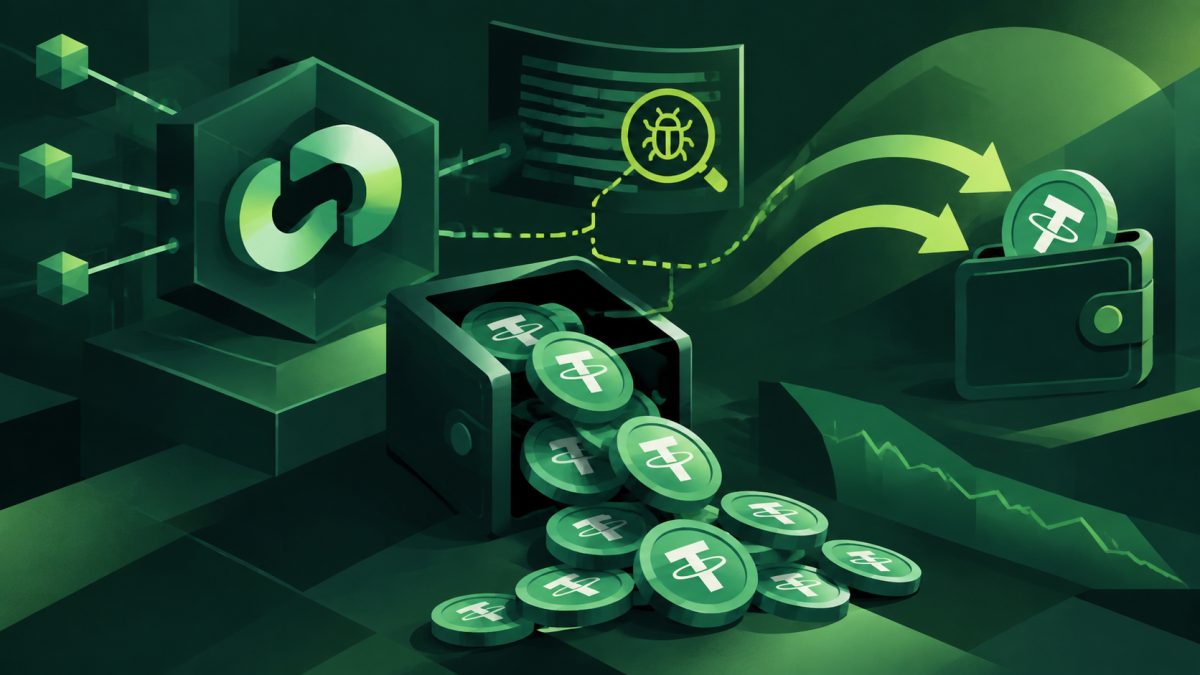
TREE NEWS reports: Chainflip, a cross-chain swap protocol that routes native assets across Bitcoin, Ethereum, Solana and other networks, has paused its Tron integration after six unauthorized payments drained roughly 736,400 USDT. The protocol’s official disclosure states that the network is suspended and is expected to resume no earlier than Monday, with all other funds reported safe and affected users slated for compensation.
How the Exploit Worked
The root cause was architectural rather than a private key compromise. On Tron, Chainflip relies on transaction memos to read swap instructions — a design choice forced by the chain’s data model. An attacker appended their own memo to transactions that validators had already signed. Chainflip’s state machine interpreted that appended memo as a separate, independent swap request and initiated a refund path for it. Because the original deposit had already been credited, the same funds were effectively paid out twice.
- Attack vector: memo injection on already-validated Tron transactions
- Impact: six unauthorized payments totaling ~736,400 USDT
- Cause: duplicate processing of a single deposit, not key theft
- Status: network paused, restoration targeted for Monday at the earliest
Why Memo-Based Chains Are a Persistent Weak Spot
Chainflip’s model depends on validators signing a transaction and the protocol then parsing metadata to determine intent. That creates a trust boundary between what the chain confirms and what the protocol believes the user asked for. On account-based chains like Ethereum, calldata and contract state make intent explicit. On Tron and similar UTXO-style systems, memos are a loose convention — easy to append, easy to spoof, and hard to bind cryptographically to the original signer’s intent.
This is not the first time cross-chain protocols have been bitten by ambiguous instruction parsing. The broader lesson is that threshold-signature vaults and validator multisigs protect private keys, but they do nothing if the state machine downstream misreads a valid signature as authorization for a different action.
What Comes Next
Chainflip’s immediate priorities are a full replay of affected transactions, reimbursement for the six impacted users, and a redesign of how Tron memos are validated — likely requiring memos to be committed to within the signed payload itself, or by moving to a deposit-address-per-user model that removes memo ambiguity entirely.
For the wider DeFi market, the incident reinforces a pattern: cross-chain bridges and swap routers remain the highest-value targets because they concentrate liquidity and trust assumptions. Users should expect Tron-facing routes to carry elevated counterparty risk until Chainflip publishes a verified fix and completes an independent audit of the patched logic. The compensation pledge is a positive signal, but the protocol’s credibility now hinges on whether it can resume operations without reintroducing the same parsing ambiguity.