Cascade Shuts Down: Perennial’s Pivot to Unified Brokerage Ends in Closure
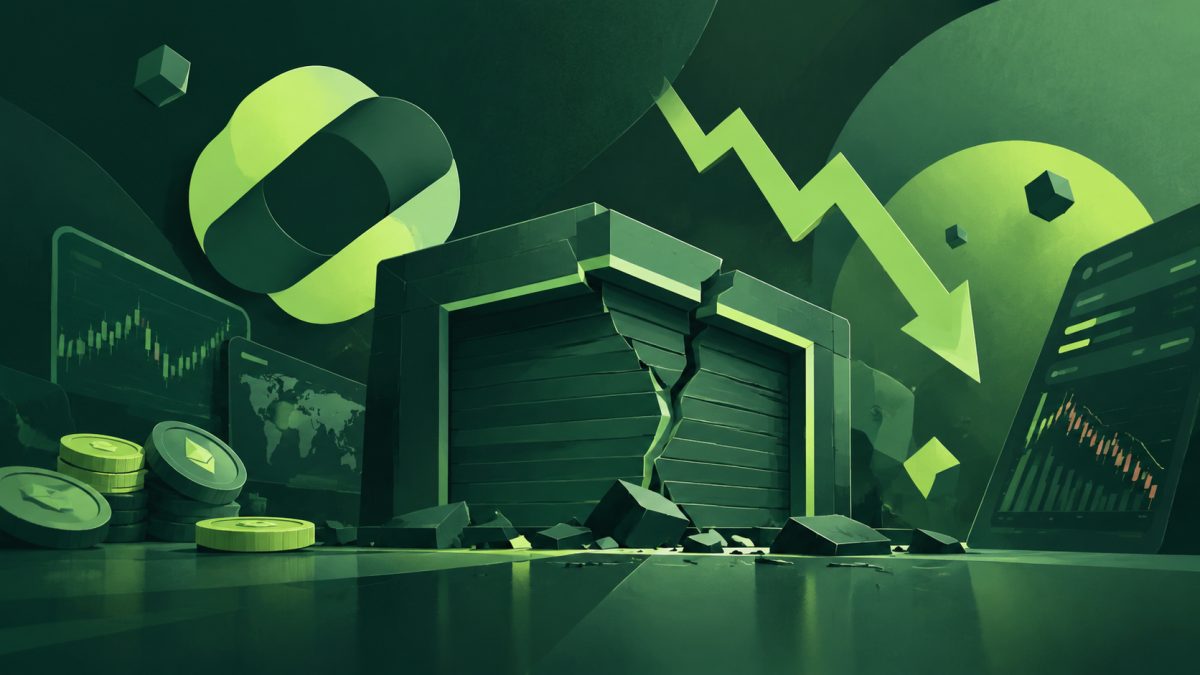
TREE NEWS reports: Cascade, the DeFi derivatives protocol formerly known as Perennial, has announced it is ceasing operations. After five years building what it described as a unified brokerage platform for global markets with 24/7 trading, the team has decided to close the business. Users can now claim their remaining CLS tokens and trading funds.
From Perennial to Cascade: A Pivot That Didn’t Stick
The closure marks the end of a project that once aimed to reimagine derivatives trading on-chain. Perennial launched as a decentralized perpetuals protocol, offering traders leveraged exposure without intermediaries. The rebrand to Cascade signaled a broader ambition: a single brokerage layer that could bridge traditional and crypto markets, operating around the clock. That vision, however, collided with a brutal market reality.
DeFi derivatives have long struggled to gain sustainable traction. Despite innovations in oracle design, margin systems, and liquidity incentives, most on-chain perp DEXs remain far behind centralized exchanges in volume and open interest. The sector’s total value locked has been volatile, and user retention is notoriously low. Cascade’s decision to shut down suggests that even a five-year runway was not enough to overcome these structural challenges.
Industry Implications: Consolidation Accelerates
Cascade’s exit is part of a wider consolidation in DeFi derivatives. Several high-profile protocols have wound down or been acquired in the past two years, as venture funding tightened and token prices failed to recover from the 2022 bear market. The survivors tend to be those with deep liquidity, strong community governance, or a clear niche—such as GMX, dYdX, and Hyperliquid.
For users, the immediate concern is fund recovery. Cascade’s announcement that remaining CLS and trading funds can be claimed is a relatively orderly wind-down, but it still raises questions about the security of user assets in smaller DeFi protocols. Unlike centralized exchanges, DeFi protocols typically hold user funds in smart contracts, and the ability to withdraw depends on the protocol’s design and the team’s willingness to facilitate claims.
What’s Next for DeFi Derivatives?
The closure of Cascade does not signal the death of on-chain derivatives. If anything, it highlights the importance of sustainable tokenomics and real demand over hype. The next generation of protocols is focusing on capital efficiency, cross-margin, and integration with centralized liquidity. Some are exploring hybrid models that combine on-chain settlement with off-chain order books.
For Cascade’s team, the future is uncertain. Some members may move to other projects, while others may exit the industry. For the broader DeFi ecosystem, the lesson is clear: building a unified brokerage for global markets is a marathon, not a sprint—and the finish line may be further away than anyone thought.