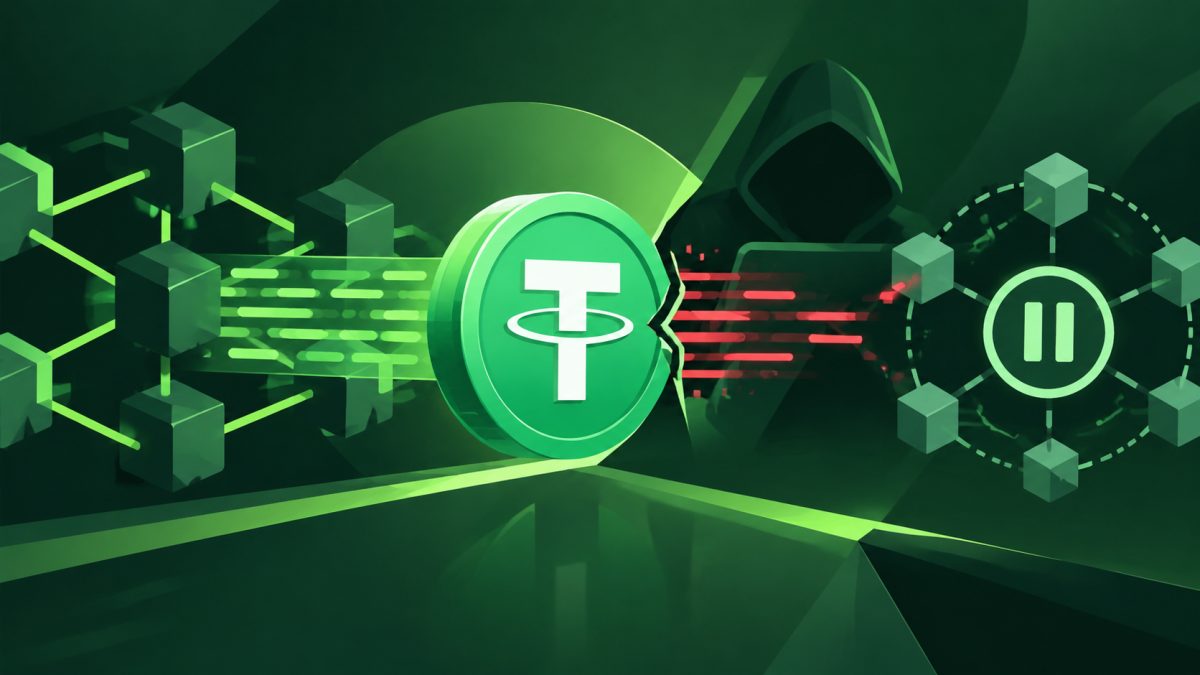
Chainflip Hit by TRON USDT Memo Exploit
TREE NEWS reports: Cross-chain swap protocol Chainflip has disclosed that its TRON USDT integration was exploited, with attackers abusing the transaction memo handling mechanism to trick the system into paying out the same deposit multiple times. The exploit ran for roughly 90 minutes and involved eight separate attacks, resulting in an estimated $6 million loss. Chainflip has paused the network, and full service is not expected to resume until Monday at the earliest.
How the Attack Worked
TRON’s USDT transfers rely on a memo field that identifies the recipient or deposit reference. Chainflip’s integration parsed that memo to credit inbound deposits. The flaw allowed a single on-chain deposit to be recognized and settled repeatedly, meaning the protocol effectively paid out against the same collateral more than once. Because the attack was repeated in quick succession, the drain compounded before operators could intervene.
This is a classic integration-layer failure rather than a break of Chainflip’s core threshold-signature or state-chain design. The vulnerability lived at the boundary between Chainflip and an external chain’s data format — exactly the kind of seam that cross-chain protocols struggle to harden.
Why This Matters for Cross-Chain DeFi
- Replay and idempotency risks: Any deposit-crediting system must guarantee that a given on-chain event is credited exactly once. Memo-based routing on TRON and similar chains is notoriously ambiguous.
- Chain-specific quirks: TRON’s fee model, memo semantics, and energy/bandwidth mechanics differ sharply from EVM chains, raising the cost of integration errors.
- USDT liquidity concentration: TRON hosts one of the largest pools of USDT in circulation, making it a high-value target that protocols cannot easily ignore.
- Halt trade-offs: Pausing the network protects remaining funds but freezes legitimate users and undermines confidence in liveness guarantees.
The Broader Pattern
Cross-chain bridges and swap protocols remain the most exploited category in DeFi. The failures are rarely exotic cryptography; they are ordinary software bugs — parsing errors, missing replay protection, mispriced fees, and unchecked assumptions about external chains. Chainflip’s incident fits that mold precisely.
For users, the lesson is that bridge risk is not binary. A protocol can have robust validator security and still be undone by a single integration detail. For builders, it reinforces that every external chain adapter needs strict idempotency, replay protection, and adversarial testing before it touches real liquidity.
What to Watch Next
Chainflip’s recovery timeline — Monday at the earliest — will hinge on patching the memo handling logic and auditing other chain integrations for the same class of bug. Expect a post-mortem detailing the exact replay vector, remediation steps, and possibly a reimbursement or treasury plan. The wider question is whether cross-chain teams will treat integration-layer security with the same rigor as consensus-layer security. Until they do, memo parsing and deposit accounting will keep producing expensive lessons.