JPMorgan Doubles Down on Fed Tightening
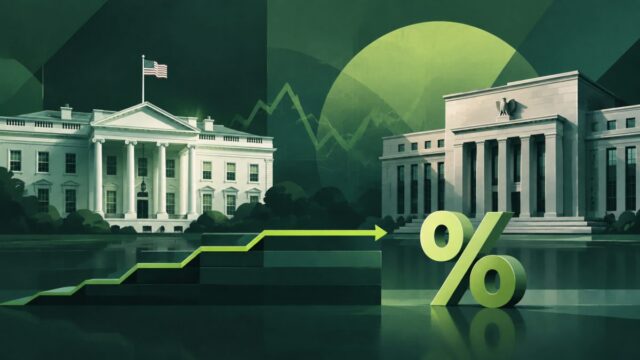
TREE NEWS reports: JPMorgan has revised its forecast for U.S. monetary policy, now expecting the Federal Reserve to raise interest rates by 25 basis points in both September and December 2026. The bank previously anticipated only a single hike in December. The revision marks one of the more hawkish calls on Wall Street at a time when much of the market has been positioning for a prolonged easing cycle.
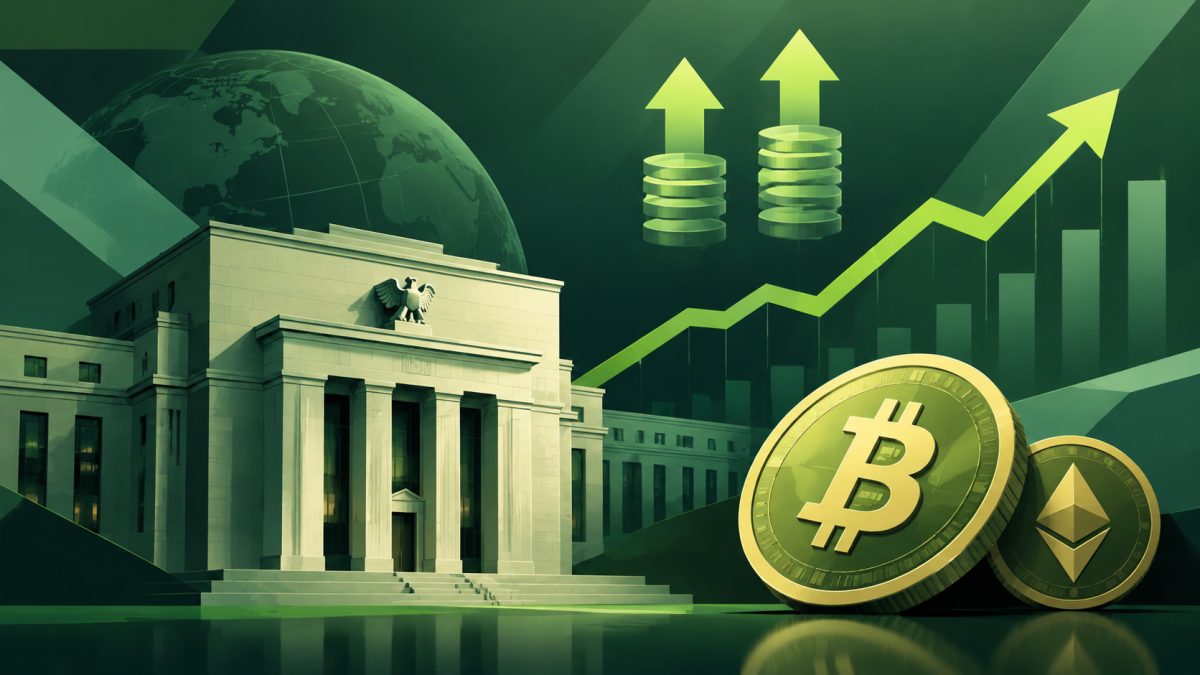
The shift matters well beyond bond desks. For crypto and digital-asset markets, the path of the federal funds rate remains the single most powerful macro variable, shaping dollar liquidity, risk appetite, and the opportunity cost of holding non-yielding assets such as Bitcoin and Ether.
Why the Call Changed
JPMorgan’s economists have pointed to persistent services inflation, a still-resilient labor market, and fiscal spending that keeps aggregate demand elevated. If inflation stalls above the Fed’s 2% target, policymakers may be forced to lean against premature easing. The bank’s new base case implies the Fed could tighten again after an initial cutting phase — a “higher-for-longer, then higher again” trajectory that few investors have priced in.
Implications for Crypto Markets
- Liquidity squeeze risk: Additional hikes would drain dollar liquidity, historically a headwind for high-beta assets including altcoins and small-cap tokens.
- Stablecoin dynamics: Higher short-term rates boost yields on tokenized Treasury products and money-market stablecoins, pulling capital away from DeFi lending pools that cannot match the risk-free rate.
- Bitcoin’s dual narrative: BTC increasingly trades as a liquidity-sensitive risk asset, though its “digital gold” thesis could regain traction if rate hikes are driven by sticky inflation rather than strong growth.
- Institutional flows: Spot ETF inflows are sensitive to real yields. A renewed hiking cycle could slow, though not necessarily reverse, the structural allocation trend from TradFi into crypto.
What to Watch
Markets will scrutinize upcoming CPI and PCE prints, Fed speakers’ guidance, and the dot plot at the next FOMC meeting. Any confirmation that the easing cycle is shorter than expected would likely trigger volatility across crypto derivatives, where funding rates and open interest have been skewed bullish. For DeFi protocols dependent on stablecoin demand and leverage, a higher-rate environment compresses margins and raises the bar for sustainable yields.
JPMorgan’s revision is a reminder that the post-2022 disinflation trade is not guaranteed. Crypto investors who built positions around a smooth, multi-year rate-cut cycle may need to stress-test their assumptions — and their collateral.