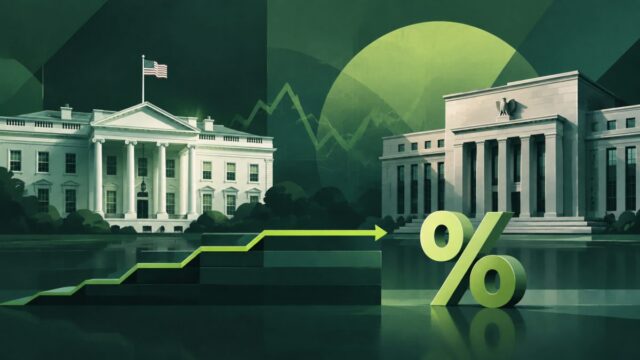
Goldman Sachs: 30-Year Treasury Yield Hits 5.3%, Bull Market Seen Continuing
TREE NEWS reports: Thirty-year U.S. Treasury yields have climbed to 5.3%, the highest level in roughly two decades, while the 10-year yield has pushed toward 5% — a peak not seen since October 2023. Yet even with long-term borrowing costs at multi-decade highs, Goldman Sachs economists argue the equity bull market still has room to run, forecasting a 25-basis-point rate hike at next week’s Federal Reserve meeting.
Valuations Compress, but Stocks Hold Near Records
The S&P 500’s forward price-to-earnings ratio has fallen from 22x at the start of the year to 19x, even as the index remains within 2% of its all-time high. That combination — cheaper multiples alongside resilient prices — reflects earnings growth absorbing the rate shock rather than a broad de-rating. Goldman projects S&P 500 earnings per share of $340 in 2026 and $385 in 2027, with a year-end 2026 target of 8,000 and a 12-month target of 8,300.
History Favors Patience Through Rate Hikes
Goldman’s historical analysis of the past seven rate-hike cycles shows the S&P 500 averaging a -2% return in the three months following the first hike, then rebounding to a +9% average over 12 months. Every cycle delivered positive 12-month returns except 2022. With rate markets already pricing more than three additional 25-basis-point hikes through mid-2027, the bar for a hawkish policy surprise is now higher — a dynamic that could blunt the negative shock of further tightening.
Balance Sheets and Duration Risk in Focus
Corporate fundamentals appear robust: S&P 500 interest coverage sits in the 99th percentile of the past 20 years, suggesting limited balance-sheet vulnerability to higher debt costs. The more acute sensitivity is duration. Roughly 75% of the S&P 500’s present value derives from cash flows expected more than a decade out, making equities structurally exposed to long-end yield moves. That link matters for crypto markets as well, where risk assets — from bitcoin to tokenized Treasuries — increasingly trade as duration-sensitive instruments tied to the same discount-rate regime.
The Takeaway
For allocators across both traditional and digital assets, the message is nuanced: elevated long-end yields are a headwind, but corporate earnings strength and a well-telegraphed Fed path may cushion the blow. If Goldman’s base case holds, the bull market broadens rather than breaks — though any hawkish surprise beyond what is already priced would hit long-duration assets first, crypto included.