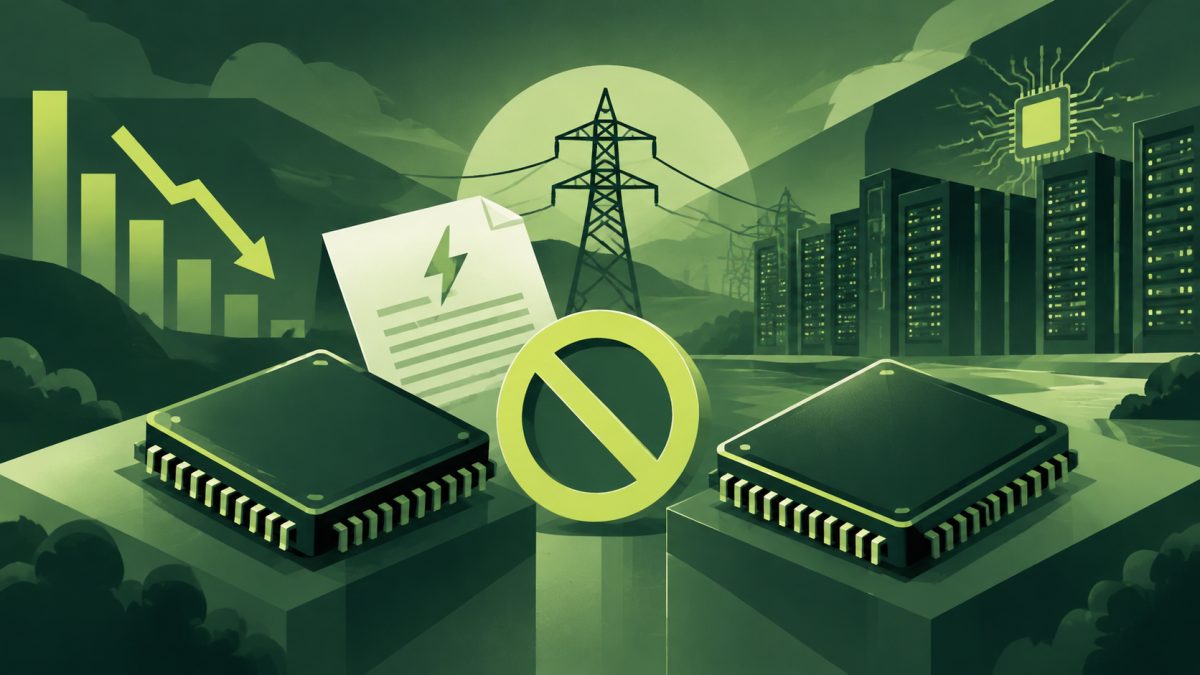
Samsung and SK Hynix Reject KEPCO’s $18B Prepaid Power Plan as AI Grid Strain Mounts
TREE NEWS reports: Samsung Electronics and SK Hynix have turned down a proposal from Korea Electric Power Corp. (KEPCO) that would have required the two chipmakers to prepay electricity bills to finance grid construction for a new technology cluster. Local media estimates put the combined request at roughly 25 trillion won — about $18 billion — equivalent to five years of power bills. A KEPCO spokesperson confirmed the rejection, and local reports say the chipmakers balked at locking in five years of prepayment given uncertainty over how long the current semiconductor boom will last.
Why it matters
The standoff is a textbook example of a mismatch that is spreading across Asia: cash-strapped utilities cannot fund the grid upgrades needed to serve the semiconductor and AI buildout, while the companies driving that demand refuse to underwrite the infrastructure risk. Korea’s chip cluster — anchored by Samsung and SK Hynix in Gyeonggi Province — is central to the government’s plan to keep the country competitive in memory and advanced packaging, both of which are power-hungry. AI accelerators and HBM production lines consume far more electricity per square meter than legacy fabs, and grid interconnection timelines are now measured in years, not quarters.
The utility squeeze
KEPCO has been operating under financial strain for years, squeezed by regulated tariffs that have not kept pace with fuel and construction costs. Its proposal was effectively an off-balance-sheet financing structure: customers fund the wires, the utility avoids raising debt. That works only if customers believe demand is durable. Samsung and SK Hynix evidently do not — at least not for five years at a fixed price.
- Demand uncertainty: Memory is historically cyclical. Prepaying five years of power at today’s rates is a large bet that AI-driven demand persists through the next downcycle.
- Opportunity cost: 25 trillion won tied up in prepaid electricity is capital not spent on R&D, capacity, or buybacks.
- Precedent risk: Conceding prepayment could invite similar demands from other utilities and regions.
Regional pattern
This is not a Korea-only problem. Taiwan’s Taipower has faced similar funding gaps as TSMC expands advanced nodes. In the U.S., data-center operators in Virginia, Texas, and Ohio are increasingly asked to fund transmission upgrades directly. In each case the question is the same: who pays for the grid when demand is concentrated, lumpy, and uncertain?
Forward look
Expect KEPCO to return with a restructured offer — shorter prepayment windows, indexed pricing, or government guarantees. The deeper issue is structural: if utilities cannot finance grid buildout and hyperscalers and chipmakers will not, governments will eventually have to step in with public capital or tariff reform. For investors, the signal is that AI’s physical constraints — power, water, land, transformers — are becoming first-order risks to the earnings of the companies building it. The rejection does not kill Korea’s tech cluster, but it delays it, and it shows that even the largest chipmakers are unwilling to underwrite the infrastructure their own growth requires.



