Iran Conditions Ceasefire on Asset Unfreezing, Naval Blockade Lift
TREE NEWS reports: Iran’s Supreme National Security Council secretary Rezaei said Tehran has transmitted negotiation terms to Washington through Qatar and is awaiting a response from President Donald Trump. The proposal centers on three core demands: ending hostilities across all fronts, releasing frozen assets, and lifting the naval blockade. Rezaei argued that accepting the framework would serve US interests.
Nuclear Posture and Regional Flashpoints
On the nuclear file, Rezaei said US and Israeli actions have given Iran grounds to exit the Nuclear Non-Proliferation Treaty, though no decision has been made and Tehran continues to observe nuclear prohibitions, keeping overall policy unchanged. He also expressed hope for a Saudi-Houthi ceasefire. Rezaei warned that if attacked, Iran would directly strike US military bases and related interests in the Middle East.
Market Implications: Oil, Dollar, and Crypto Liquidity
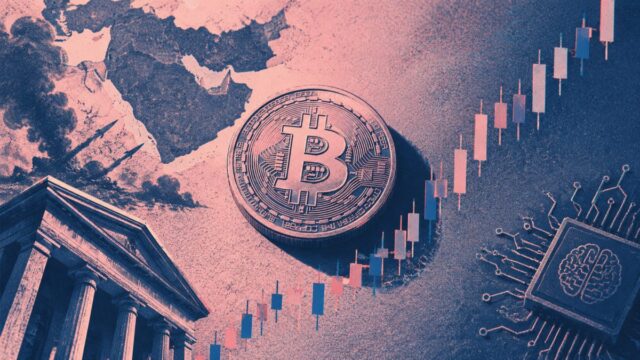
For global markets, the headline is a two-sided risk. A credible de-escalation path would compress the geopolitical risk premium in crude, soften safe-haven demand for the dollar and gold, and typically revive risk appetite across equities and digital assets. Conversely, the explicit threat to US bases in the region keeps tail risk elevated. Crypto has traded as a high-beta macro asset through recent Middle East flare-ups, with bitcoin selling off alongside equities on escalation headlines and recovering quickly when diplomatic channels appear active.
The frozen-asset question is particularly consequential. Any release of Iranian reserves would inject liquidity into global energy and trade flows and could alter the calculus around sanctions enforcement, including secondary sanctions touching crypto rails. Market participants have long monitored whether sanctioned jurisdictions increasingly settle trade in stablecoins or other digital assets to bypass dollar plumbing; a negotiated unfreezing would reduce that incentive, while a collapse in talks would intensify it.
What to Watch
- Whether the White House formally responds and on what timeline.
- Signals from Qatar and other Gulf intermediaries on the state of back-channel talks.
- Oil volatility and dollar index moves as a real-time gauge of escalation odds.
- Any shift in sanctions guidance affecting crypto exchanges and payment channels.
The next several weeks will determine whether this is a genuine off-ramp or another round of brinkmanship. For traders, the practical stance is to treat geopolitical headlines as volatility events rather than trend drivers, while watching the frozen-asset and blockade language closely, since those are the terms most likely to reshape energy, dollar, and digital-asset liquidity conditions.