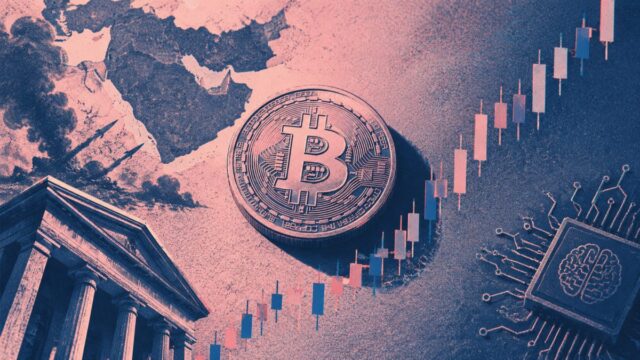
Five Nations Ration Fuel as Hormuz Closure Bites
TREE NEWS reports: At least five countries are rationing fuel or reporting empty pumps as of September 19, the 203rd day of the Iran war. Brent crude traded near $110 this month, its strongest level since spring, after the Strait of Hormuz was largely closed following Iran’s retaliation for US and Israeli strikes on February 28.
The disruption has moved from a geopolitical headline to a lived reality at gas stations across multiple continents. Rationing regimes, queueing systems, and emergency allocations are now in force in affected economies, while spot cargoes of crude and refined products are being rerouted around the Cape of Good Hope at significant cost.
Why This Matters for Crypto Markets
Energy shocks of this magnitude are historically a macro regime-changer, and digital assets are not insulated. The transmission channels are direct:
- Inflation re-acceleration: A sustained $110 Brent print feeds into headline CPI within one to two quarters, complicating the rate-cut path that crypto markets had priced in for late 2025 and 2026.
- Liquidity tightening: Central banks facing an energy-driven inflation impulse are more likely to hold rates higher for longer, draining the speculative liquidity that fuels altcoin and DeFi activity.
- Dollar strength: Safe-haven flows into the dollar tend to pressure BTC and risk assets in the short term, even as the longer-term debasement narrative strengthens.
- Mining economics: Higher energy costs squeeze Bitcoin miners, particularly those in import-dependent jurisdictions, accelerating hash-rate migration toward cheap-power regions.
The RWA and Stablecoin Angle
Paradoxically, the crisis reinforces the case for tokenized real-world assets. Tokenized commodities, oil-backed instruments, and yield-bearing treasury products gain appeal when physical supply chains are disrupted and traditional settlement is slow. Stablecoin rails also see elevated demand in countries facing capital controls or currency stress — a pattern already visible in prior energy shocks.
On-chain data has historically shown spikes in stablecoin minting and P2P volume in economies experiencing fuel shortages and FX rationing, as residents seek dollar-denominated savings outside the banking system.
Forward-Looking Perspective
The key variable is duration. A Hormuz closure measured in weeks is a volatility event; one measured in months is a structural repricing of global energy, inflation, and therefore monetary policy. Crypto traders should watch three signals: Brent futures curve shape, US 10-year yields, and stablecoin net issuance on major chains.
If the strait remains shut into Q4, expect continued pressure on high-beta crypto, a rotation toward Bitcoin and tokenized treasuries, and renewed regulatory attention on sanctions-evasion risks in DeFi. The war’s second hundred days may prove more consequential for digital asset markets than its first.