A High-Stakes Meeting With Global Market Implications
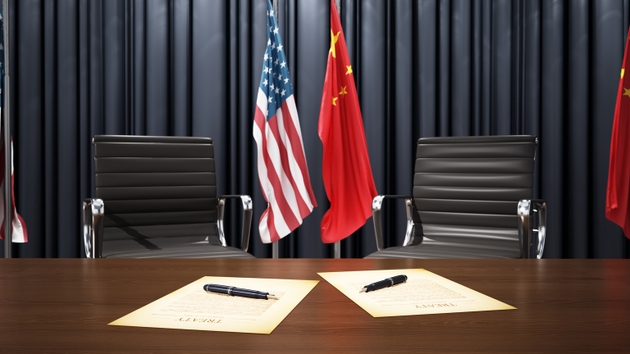
TREE NEWS reports: President Donald Trump and Chinese President Xi Jinping are set to meet for a summit that will focus on three intertwined issues: trade, critical minerals, and artificial intelligence. The agenda reflects the deepening strategic competition between the world’s two largest economies, but also the mutual interest in avoiding a full-blown economic rupture. For investors, the outcome could reset expectations for tariffs, supply chains, and technology sector earnings across both the US and China.
The meeting comes after months of escalating trade measures, including tariff threats, export controls on advanced semiconductors, and Chinese restrictions on gallium and germanium exports. Those minerals are essential for semiconductors, electric vehicles, and defense systems. AI has emerged as a new flashpoint, with both governments racing to secure computing power, data, and talent while trying to limit the other’s access to cutting-edge chips.
What to Watch in the Negotiations
- Tariff relief or escalation: Any signal that the US could roll back some tariffs on Chinese goods would be a relief for global equities and risk assets. Conversely, a breakdown could reignite inflation fears and pressure bonds.
- Critical minerals access: China dominates processing of rare earths and other minerals. A deal to ease export restrictions would benefit EV makers, chipmakers, and defense contractors. A stalemate would keep supply chain risk premiums elevated.
- AI and chip controls: The US has restricted exports of advanced AI chips to China. Any loosening or tightening of these rules would directly impact semiconductor stocks, cloud providers, and AI-focused funds.
- Currency and capital flows: A more stable trade relationship could support the Chinese yuan and reduce demand for the US dollar as a safe haven. A breakdown could strengthen the dollar and pressure emerging market assets.
Market Implications Across Asset Classes
Stocks: A constructive summit would likely lift cyclical and trade-sensitive sectors, including semiconductors, industrials, and materials. Chinese equities, especially tech and EV names, could rally on hopes of reduced regulatory and tariff pressure. A failed meeting would hit risk sentiment, with growth stocks and exporters most exposed.
Bonds: Trade détente would reduce inflation risk, supporting government bonds and lowering yields. Escalation would do the opposite, pushing yields higher as markets price in higher import costs and slower growth.
Crypto: Digital assets have become increasingly sensitive to macro risk sentiment. A risk-on outcome could lift Bitcoin and major altcoins, while a breakdown might see crypto trade as a high-beta risk asset and sell off alongside equities.
Commodities: Critical minerals are the most direct lever. Any agreement on rare earths and gallium would pressure prices lower, while a stalemate could send them higher. Oil could also react to broader trade flows and global growth expectations.
Currencies: The yuan is the primary barometer. A positive summit outcome would likely strengthen the yuan and weaken the dollar index. The opposite would favor the dollar and weigh on commodity-linked currencies like the Australian dollar.
Why This Matters for Investors
This summit is not just a diplomatic photo opportunity. It is a potential inflection point for the global trading system, technology supply chains, and the cost of capital. Investors should watch for concrete deliverables rather than rhetoric. Even a modest agreement on minerals or a pledge to continue talks could be enough to stabilize markets. But a breakdown would reinforce the trend toward fragmentation, higher costs, and greater volatility.
Positioning should remain flexible. Diversification across geographies and asset classes, along with exposure to domestic supply chain themes, may help navigate the uncertainty. The key is to avoid overreacting to headlines while being ready to adjust if the summit produces a genuine shift in policy.
Key Takeaways
- The Trump-Xi summit centers on trade, critical minerals, and AI, three areas with direct market consequences.
- A positive outcome could boost equities, weaken the dollar, and lower bond yields.
- A breakdown would likely increase volatility, strengthen the dollar, and pressure risk assets including crypto.
- Investors should focus on tangible agreements, not just diplomatic language.