Micron’s Stunning Profit Reversal
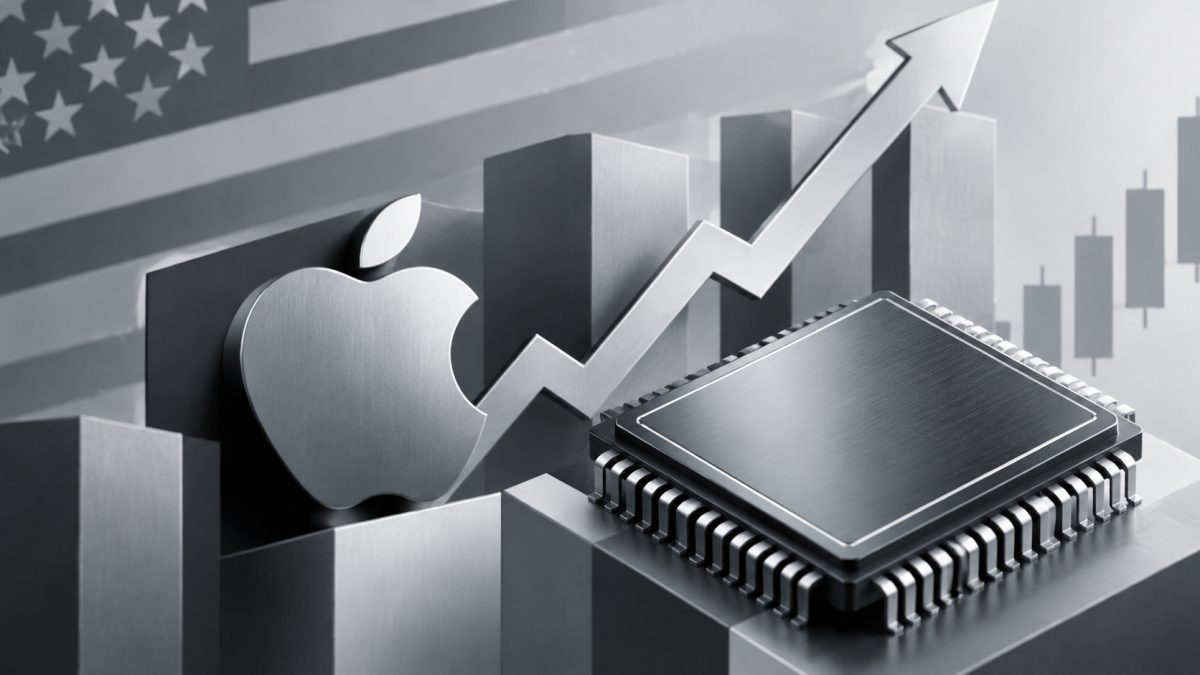
TREE NEWS reports: In an extraordinary turn of events, Micron Technology reported net income of $37.7 billion for its fiscal fourth quarter ended September 30, surpassing Apple’s $29.8 billion in net income for the same period by roughly $8 billion. This marks a dramatic reversal of fortunes for the memory chip maker, which was struggling just two years ago. The surge is driven by an acute global memory shortage that has handed Micron unprecedented pricing power.
Market strategist Charlie Bilello succinctly captured the dynamic on X: “Apple needs chips. Micron has chips. Micron sets the price.” He noted that Micron’s net income skyrocketed 42-fold in just two years to $38 billion—more than Apple’s earnings last quarter by $8 billion—and declared, “We’ve never seen pricing power like this.” Tech investment analyst Beth Kindig also pointed out that Micron now generates more operating profit than Apple.
From Near-Losses to Dominance
Micron’s earnings trajectory is nothing short of astonishing. In fiscal 2024, standardized earnings per share were just $1.30. By fiscal 2026, that figure is projected to jump to $75.52. Analysts covering fiscal 2027 expect EPS of $176.15, implying earnings will more than double again within a year. Ritholtz Wealth Management CEO Josh Brown commented on Micron’s guidance: “Not only has it not been lowered, it’s actually being revised upward.” Micron expects first-quarter fiscal 2027 revenue of $61.5 billion, up from the just-reported $54.2 billion. CEO Sanjay Mehrotra told CNBC, “We simply cannot meet customer demand.”
Apple’s Margin Squeeze
Micron’s pricing power is directly hitting customers’ bottom lines. Apple, which had built a cushion through steadily expanding gross margins—from 41.8% in fiscal 2021 to 46.9% in fiscal 2025—is now feeling the pinch. Excluding tariff refund effects, Apple’s gross margin fell from 49.3% in the March quarter to 48.1% in the June quarter, with guidance pointing to about 46.5% for the September quarter. Management explicitly cited memory costs as the primary driver of the June quarter decline and a continuing headwind for September, noting that the buffer from previously stockpiled inventory will gradually fade after September. Former CEO Tim Cook described the memory price surge as a “hundred-year flood” during the July earnings call.
Apple is not the only major buyer under pressure. John Armitage, co-founder of Egerton Capital, singled out Nvidia on the In Good Company podcast: “A big issue for Nvidia is memory cost inflation and its impact on bill of materials.” However, he noted that Nvidia’s 75% gross margin gives it far more room to absorb the shock than Apple.
Valuation Disconnect
Despite the earnings explosion, Micron’s valuation remains depressed. Its forward P/E ratio is just 5.9x, well below its three-year average of 10.5x. The market’s discount reflects doubts about whether this supercycle can persist. But according to TIKR analysis, as long as demand continues to outstrip supply, Micron’s pricing power will endure. Apple’s next earnings report, expected in late October, will be a key signal for whether memory costs are still climbing.
Supply Risks on the Horizon
Questions linger about how long Micron’s pricing power can last. Reuters reported that 1,994 union members at Micron’s Taoyuan plant in Taiwan—99% of voters—authorized a strike over a bonus dispute. Taiwan is a critical production base for Micron’s DRAM and HBM. However, the authorization vote does not mean an immediate strike; the union says timing and details are still under discussion. Even if workers do walk out, it would only tighten an already scarce supply, hardly good news for Apple’s memory bill. Meanwhile, Apple is set to launch its first foldable phone, the iPhone Duo, on October 23 at $1,999, which may help pass some costs to consumers—but current guidance suggests Apple is still absorbing the expense itself.
Key Takeaways for Investors
- Memory is the new oil. The semiconductor supply chain’s balance of power has shifted decisively toward memory makers. Investors should reassess the profit pools within tech.
- Apple’s margin story is under threat. The company’s long streak of gross margin expansion may reverse as memory costs bite. Watch the late-October earnings for confirmation.
- Micron’s cheap valuation may be a trap or an opportunity. At 5.9x forward earnings, the market is pricing in a cyclical peak. If the shortage persists, the stock could re-rate sharply.
- Nvidia is better insulated. Its high margins provide a buffer, but memory cost inflation remains a headwind for the entire hardware ecosystem.
- Supply-side risks are looming. Labor unrest in Taiwan could further constrict supply, potentially prolonging the shortage—and Micron’s pricing power.