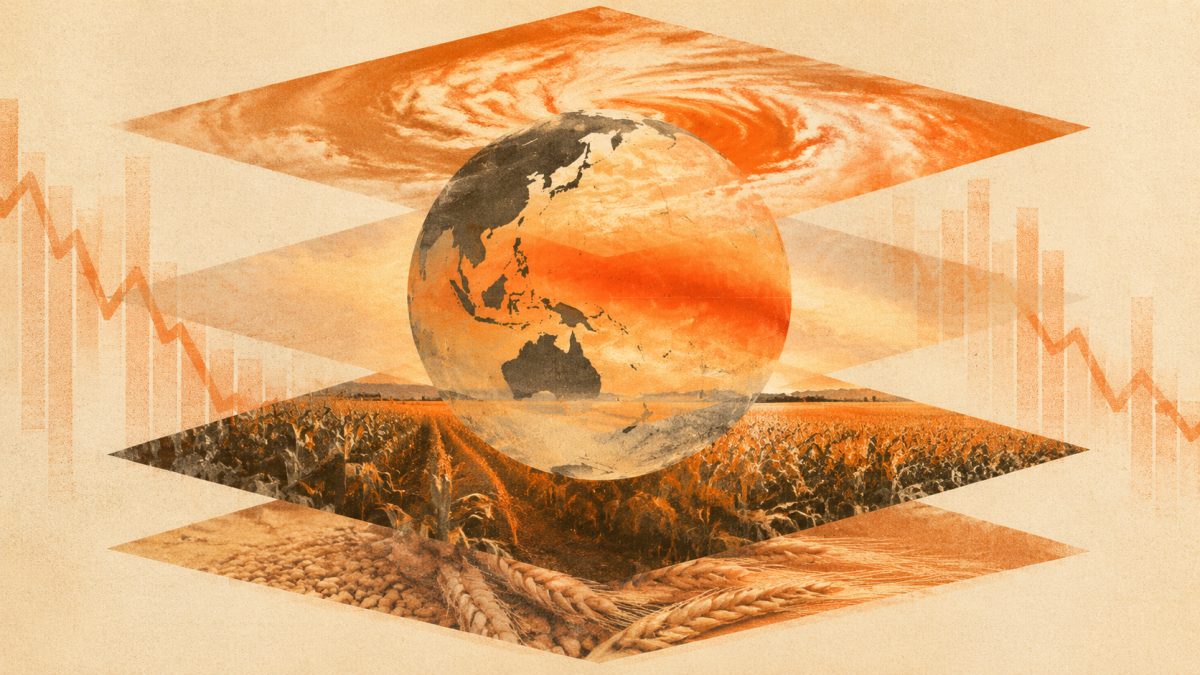
JPMorgan Flags Q1 2027 as the Tipping Point for El Niño’s Agricultural Shock
TREE NEWS reports: JPMorgan’s agriculture commodities head Tracey Allen warned in a research note dated September 18 that the intensifying El Niño pattern is colliding with global shortages of diesel and fertilizer, setting up what could be the sharpest hit to agricultural production in the first quarter of 2027. Citing forecasts from the National Oceanic and Atmospheric Administration, Allen said El Niño is expected to peak around November and has a 90% probability of becoming a “very strong” event spanning the Northern Hemisphere autumn and winter.
The Bloomberg Agriculture Spot Index has already climbed to its highest level since 2023, reflecting growing expectations of tighter food supply chains next year. While ample carryover stocks from the previous quarter have cushioned the physical grain market so far, multiple risks are now fermenting at once: diesel prices near historic highs, geopolitical disruption to trade flows, fertilizer shortages, European drought, and a weaker-than-expected US spring planting season. Allen’s note opened bluntly: “Agriculture has 99 problems, and El Niño is just one.”
Regional Stress Is Spreading Across Major Growing Zones
The report catalogues climate pressure across the world’s key agricultural regions.
- Southeast Asia: Persistent drought and spreading wildfires in Indonesia’s palm oil belt are threatening yields. Regional dryness is also raising concerns over robusta coffee, cocoa, and Thai sugarcane.
- India: Southwest monsoon rainfall is running about 15% below the long-term average. Lower sugarcane ethanol output has partly offset the hit to sugar supply, but rice, cotton, and oilseed production face mounting upside risks.
- South America: Brazil is dealing with both drought and excess rain. Dry conditions in the north threaten cocoa, while central drought pressures soybeans and second-crop corn. Heavy rain in the center-south is delaying the sugarcane harvest and could curb final sugar output. Northern Argentina’s wetter-than-usual weather is holding back soybean planting.
On the technical side, JPMorgan’s head of technical strategy Jason Hunter noted that the bank’s commodity index agriculture sub-index hit a multi-year high in August. He added that any meaningful pullback would turn prior breakout levels into new support, meaning the bullish technical structure remains intact.
Market Implications: A Slow-Burn Inflation Shock
For investors, the key takeaway is that this is not a near-term weather trade but a supply-side shock with a clear timeline. Food inflation is one of the stickiest components of consumer price baskets, and a broad crop shortfall arriving in early 2027 would land just as major central banks are trying to finish their disinflation campaigns.
Asset-class implications:
- Commodities: Soft commodities — sugar, coffee, cocoa, palm oil, rice, and grains — are the most direct beneficiaries. Diesel and fertilizer markets may stay structurally tight, reinforcing the cost-push channel.
- Equities: Food producers, agri-chemical companies, and farm-equipment makers could see margin pressure from higher input costs, while agricultural commodity traders and processors may benefit from wider spreads and volatility.
- Bonds: A renewed food-driven inflation impulse would complicate the rate-cut path, steepening curves if central banks are forced to stay hawkish longer.
- Currencies: Food-importing emerging markets — particularly in North Africa, the Middle East, and parts of Asia — face wider current account deficits and currency pressure. Commodity-exporting economies such as Brazil and Australia could see relative support.
- Crypto: Digital assets remain a second-order play, but a persistent inflation surprise would reinforce the “hard asset” narrative for bitcoin among some investors, even as tighter liquidity weighs on risk appetite broadly.
Key Takeaways for Investors
- The El Niño impact is still in its early innings; the maximum agricultural stress is projected for Q1 2027, giving markets a quantifiable window to price the risk.
- Diesel and fertilizer shortages are the force multiplier — they turn a weather event into a full-blown cost and supply crisis.
- Watch soft commodity futures, food-importing currencies, and agricultural equities as the primary transmission channels.
- Food inflation could re-emerge as a macro theme just as rate-cut expectations are being priced, creating cross-asset volatility.
- Carryover stocks are a buffer, not a solution — if the Q1 2027 shock materializes as forecast, inventory cushions will erode quickly.